Heavy Pulp is a standout sativa-dominant hybrid recognized across commercial and artisanal collections for its vivid citrus aromatics, reminiscent of freshly squeezed fruit juice with subtle herbal undertones. While formal parentage remains proprietary, the cultivar has earned a strong reputation among extractors and flower enthusiasts for its generous trichome coverage and limonene-dominant terpene expression. Mature flowers offer balanced structure and resinous calyxes, making this cultivar an appealing genetic option for cultivators who prioritize mouthwatering citrus bouquets and dynamic terpene production in their garden rotations.
THCNot confirmed
CBD0%
Reported mature-flower potential, not seed content. Results can vary by phenotype, environment and testing method.
A vibrant sativa-leaning cultivar renowned for its zesty citrus punch and terpene richness.
Selected for enthusiasts seeking bold, fruit-juice aromatic profiles, Heavy Pulp delivers an exceptional balance of bright limonene-driven zest and hearty plant vitality. Its resin production makes it a favorite for both unpressed flower and solventless extraction.
Editorial assessment for comparison only; not a laboratory result or product guarantee.
Aroma Complexity8.8/10
Exhibits a bright, multifaceted bouquet dominated by pulpy citrus, fresh orange zest, and delicate herbal notes.
Resin Potential8.2/10
Consistently leveraged in commercial extraction for dense glandular trichome development.
Visual Appeal7.5/10
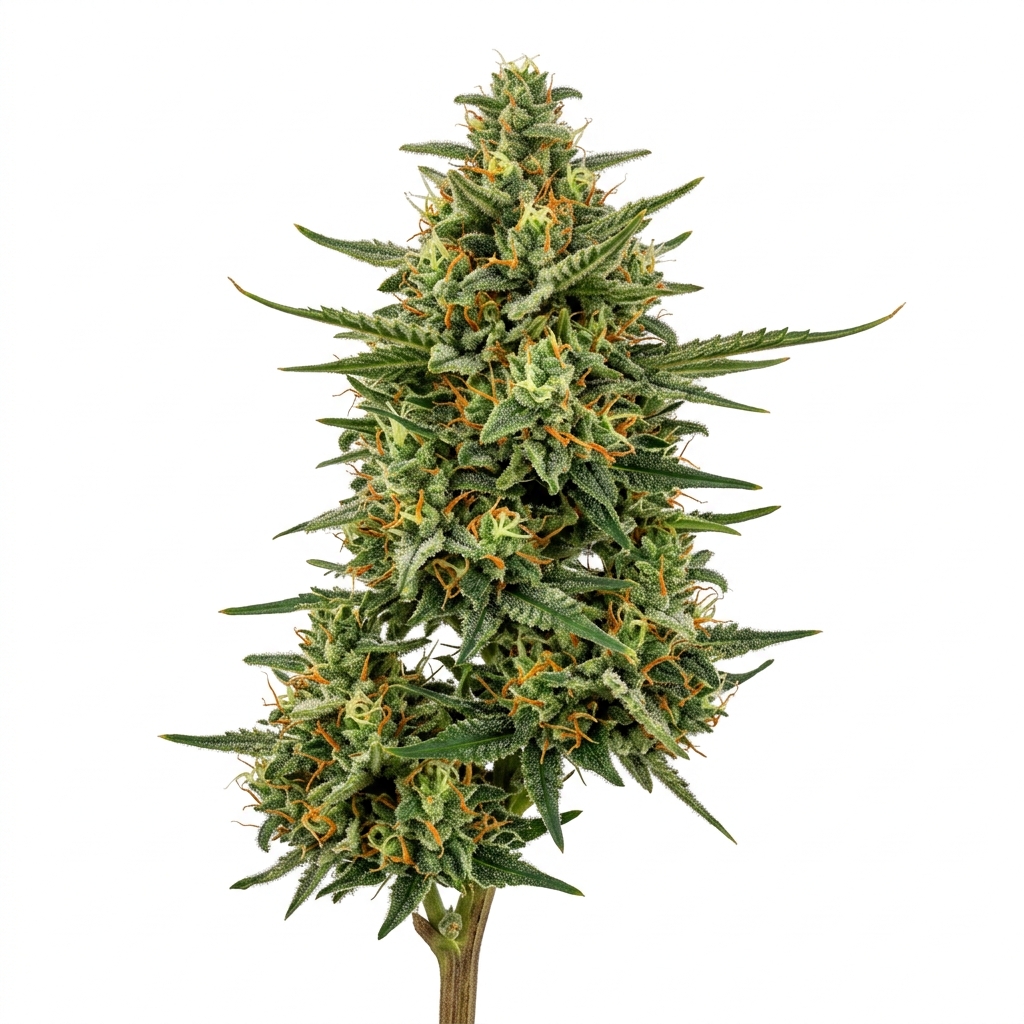
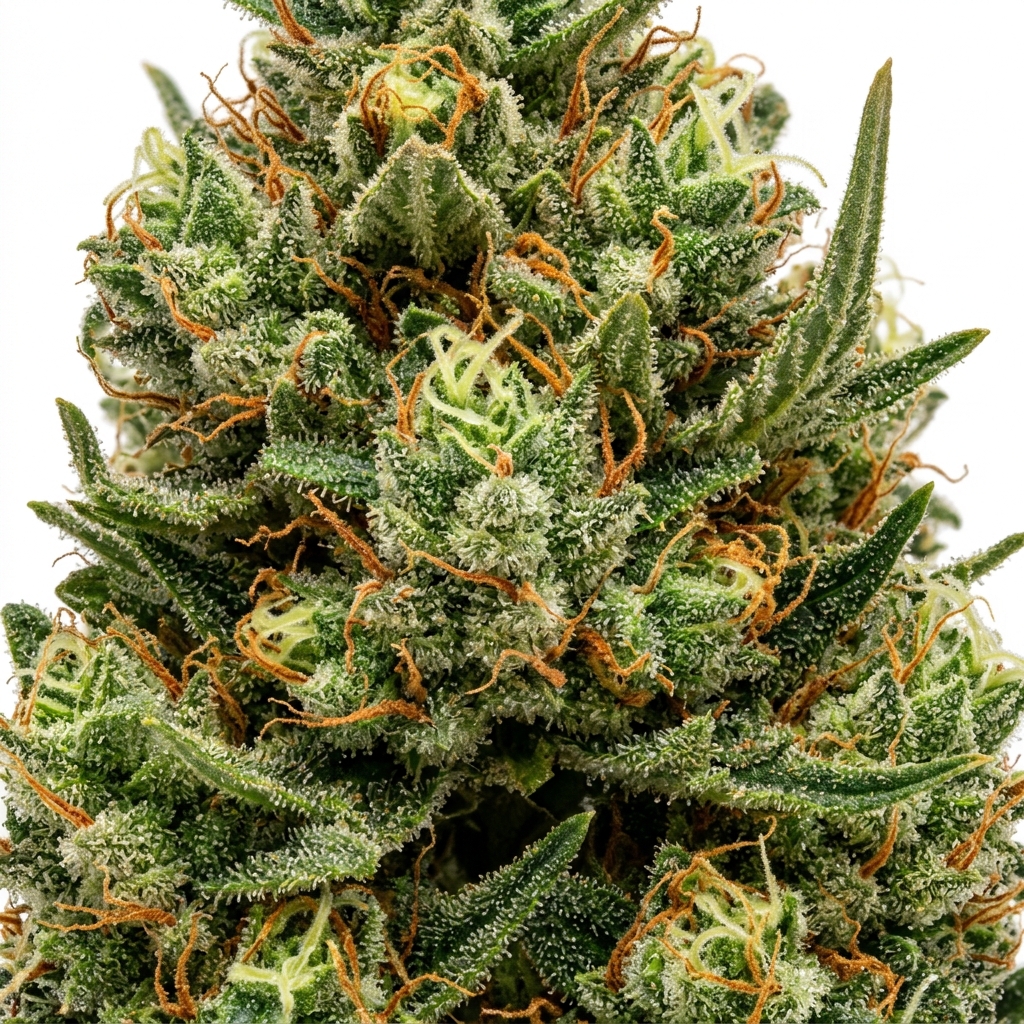
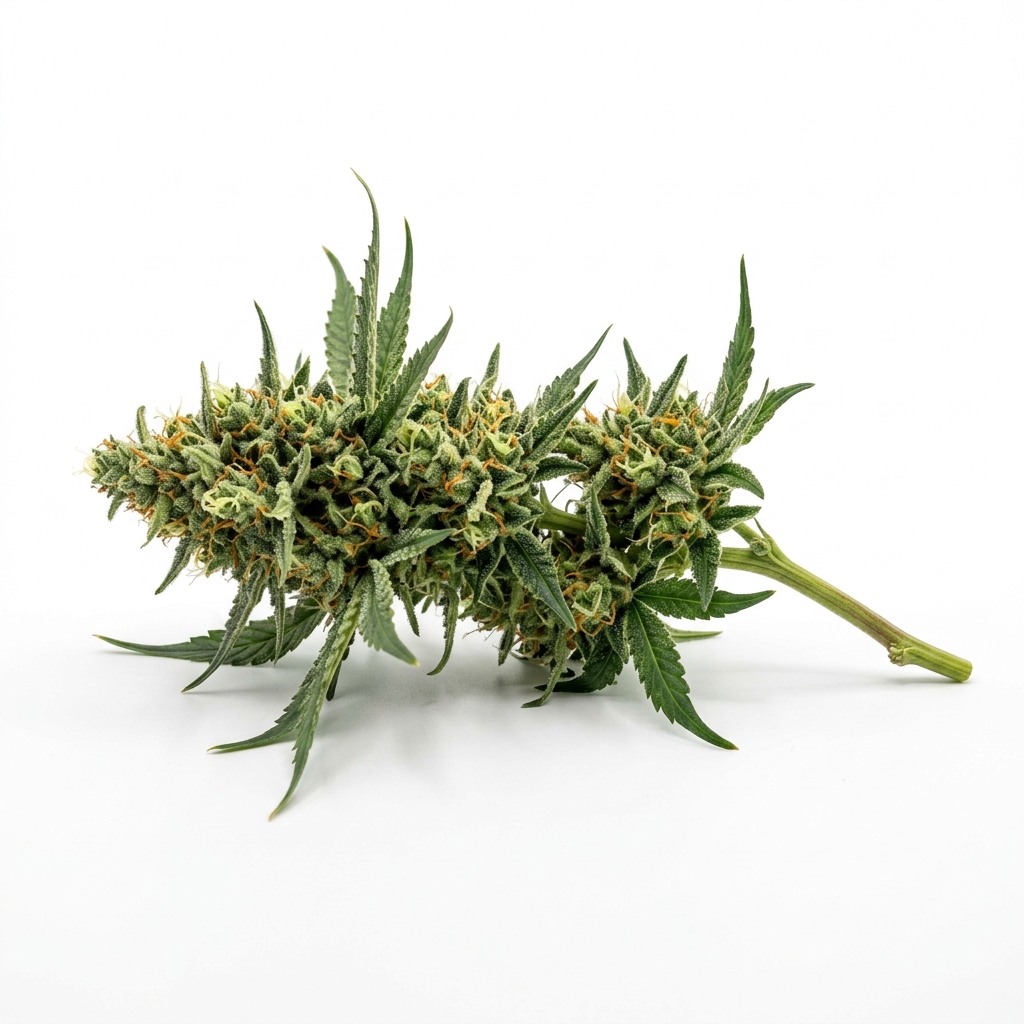
Produces tight green floral clusters accented by vivid orange pistils and crystalline coverage.
Cultivation Accessibility7.0/10
Behaves like a classic sativa-leaning hybrid, though specific feeding and training guidelines remain flexible.
Documentation Confidence6.5/10
Commercial flower and concentrate laboratory metrics are confirmed, though full genealogical records remain private.
Reported flower potentialCannabinoid Overview
THCNot confirmedMature flowers; not seed contentCBD0%Mature flowers; not seed content
Reported cannabinoid values can vary by phenotype, environment, harvest timing, and testing method.
Genetic relationshipLineage Diagram
Undisclosed Citrus Sativa Lineage
Heavy Pulp Cannabis Seeds
Reported aromatic compoundsTerpene Profile
Limonene
Sweet citrus, freshly sliced orange, lemon zest
The primary driver of the cultivar's vivid fruit-juice aroma, contributing sharp citrus top notes.
Myrcene
Earthy, herbal, subtly sweet
Provides grounding botanical depth that supports the zesty top layer with mellow herbal nuances.
Caryophyllene
Warm spice, cracked black pepper, subtle woody finish
Adds slight warmth and structural complexity to the overall flavor and bouquet.
Cultivation referenceGrow Information
HeightNot confirmedFloweringNot confirmedClimateTemperate to warm Mediterranean climates with controlled humidityDifficultyModerateYieldNot confirmedStretchNot confirmedIndoorSuitableOutdoorSuitableGreenhouseSuitable
Essential cultivar details
Quick Facts
Key genetics, cultivation, and reported characteristics at a glance.
GeneticsNot confirmed
Breeder / OriginNot confirmed
Cultivar Typesativa-dominant hybrid
Seed TypeAvailable as Feminized, Autoflower & Regular
PhotoperiodPhotoperiod
Reported THC PotentialNot confirmed
Reported CBD Potential0%
Flowering TimeNot confirmed
Plant HeightNot confirmed
StretchNot confirmed
DifficultyModerate
Yield CharacteristicsNot confirmed
Indoor SuitabilitySuitable
Outdoor SuitabilitySuitable
Greenhouse SuitabilitySuitable
Climate PreferenceTemperate to warm Mediterranean climates with controlled humidity
Dominant TerpenesLimonene, Myrcene, Caryophyllene
Research ConfidenceModerate
Scientific Overview
Heavy Pulp is a sativa-dominant cannabis cultivar cataloged within commercial and connoisseur spaces for its prominent monoterpene and sesquiterpene expression. Laboratory assays from whole flower samples verify a mature-flower cannabinoid profile centered on 17% THC with 0% CBD. The cultivar’s chemical profile is heavily influenced by limonene as its primary monoterpene, working in concert with secondary quantities of beta-myrcene and beta-caryophyllene to formulate a classic citrus-terpene ensemble. Morphologically, the plant presents hybrid vigor with sativa architectural traits, producing resin-coated bracts that retain significant volatile aromatic fractions through harvest and curing.
Genetics & Lineage
The exact genealogical history and parental lineage of Heavy Pulp remain undisclosed by original cultivators. However, phenotypic analysis, terpene concentration curves, and botanical behavior strongly suggest ties to established citrus sativa families. In state-regulated markets, cultivators such as King City Gardens have propagated the variety for whole-flower distribution and processing into high-terpene live extracts, cementing its status as an elite fruit-forward selection.
Breeder Background
While Heavy Pulp has been brought to commercial prominence by regional cultivators like King City Gardens in regulated U.S. markets, the underlying foundational breeder who produced the initial seed cross has not been officially registered in public databases. As such, original seed releases are curated through specialized seed distributors in regular, feminized, and autoflower formats, allowing cultivators to explore this sought-after citrus profile across various growing environments.
Botanical Characteristics
During vegetative development, Heavy Pulp displays robust branching and internodal spacing characteristic of sativa-leaning hybrids. The foliage features narrow to medium-width serrated leaflets that transition from bright emerald to deep forest green as the plant matures. Stems demonstrate sufficient structural integrity to hold developing floral clusters, though canopy management techniques can optimize uniform light interception across lower flowering sites.
Flower Structure
The dried flowers of Heavy Pulp develop into conical, moderately dense clusters. The calyxes swell tightly along the floral axis, enveloped in a dense blanket of glandular trichome heads. Woven throughout the green floral bracts are vivid orange pistils that provide striking visual contrast, signaling proper physiological maturity when fully receded and darkened.
Aroma & Flavor Profile
Heavy Pulp derives its name from its distinct resemblance to fresh, unclarified citrus juice. When whole flowers are broken apart, a burst of ripe orange, sour citrus zest, and sweet pulp is released into the room. On inhalation, the palate experiences sweet tangerine and lemon rind notes, followed on exhalation by a subtle blend of earthy myrcene and peppery caryophyllene that rounds out the bright fruit character.
Cultivation Overview
Heavy Pulp adapts well to both soil and hydroponic setups, demanding standard macronutrient regimens with adequate micronutrient supplementation during early bloom. As with most sativa-leaning genetics, maintaining good airflow and humidity control is recommended to safeguard its dense, resinous floral structures during late flowering stages. Cultivators should note that individual phenotypes may vary in stretch and nutrient sensitivity.
Indoor Considerations
Indoor growers can benefit from implementing trellis netting (SCROG) or low-stress training (LST) to manage vertical stretch during the transition to bloom.
Outdoor Considerations
When cultivated outdoors, Heavy Pulp performs best in temperate, warm, or Mediterranean-like climates with abundant direct sunlight. Plants require well-draining soil rich in organic matter. Because harvest typically aligns with early-to-mid autumn, growers in humid or rain-prone regions should ensure plants receive maximum morning sun and natural air circulation.
Phenotype Variation
Growers can expect moderate phenotypic variation when popping seeds of Heavy Pulp. While the citrus-dominant aromatic profile remains consistent across populations, subtle differences in internodal stretch, bud density, and flowering duration may emerge. Selecting a mother plant with optimal calyx-to-leaf ratio and resin density is recommended for long-term production.
Frequently Asked Questions
What is the genetic background of Heavy Pulp?
Heavy Pulp is a sativa-dominant hybrid cultivar whose exact parental lineage remains proprietary, though its morphology and terpene makeup reflect modern citrus-focused sativa lines.
What is the reported THC and CBD potential of Heavy Pulp?
Documented laboratory testing of mature dried flower batches reports a potential of 17% THC and 0% CBD.
What does Heavy Pulp smell and taste like?
Heavy Pulp is celebrated for an aromatic profile of fresh orange juice, citrus pulp, and sweet zest, underpinned by subtle herbal earthiness and mild spice.
What seed types are available for Heavy Pulp?
Depending on distributor inventory, seeds are cataloged under Available in Feminized, Autoflower & Regular variations.
Which terpenes are dominant in Heavy Pulp?
The primary dominant terpene is Limonene, supported by secondary levels of Myrcene and Caryophyllene.
Comparison is informational and reflects reported cultivar-level data; phenotype and growing conditions can change results.
Ready to choose?
Integrate Heavy Pulp Genetics Into Your Garden
Whether curating a breeding project focused on citrus terpene preservation or cultivating flower with an unmistakably zesty bouquet, Heavy Pulp provides a distinctive terpene-forward genetic foundation. Cultivation outcomes may vary depending on environmental parameters, medium, and grower technique.
Cannabis seeds are sold strictly as collectible botanical souvenirs and genetic preservation items where permitted by applicable local laws. Germination and cultivation of cannabis seeds are subject to regional laws and regulations. Cannabinoid metrics refer exclusively to mature dried flowers and do not exist within dormant seeds. Individual plant performance, cannabinoid potential, and yields will vary based on environmental factors and grower methodology.
Additional information
Packs
5 Seeds, 10 Seeds, 25 Seeds
Reviews
There are no reviews yet.
Be the first to review “Heavy Pulp Cannabis Seeds” Cancel reply



Reviews
There are no reviews yet.