
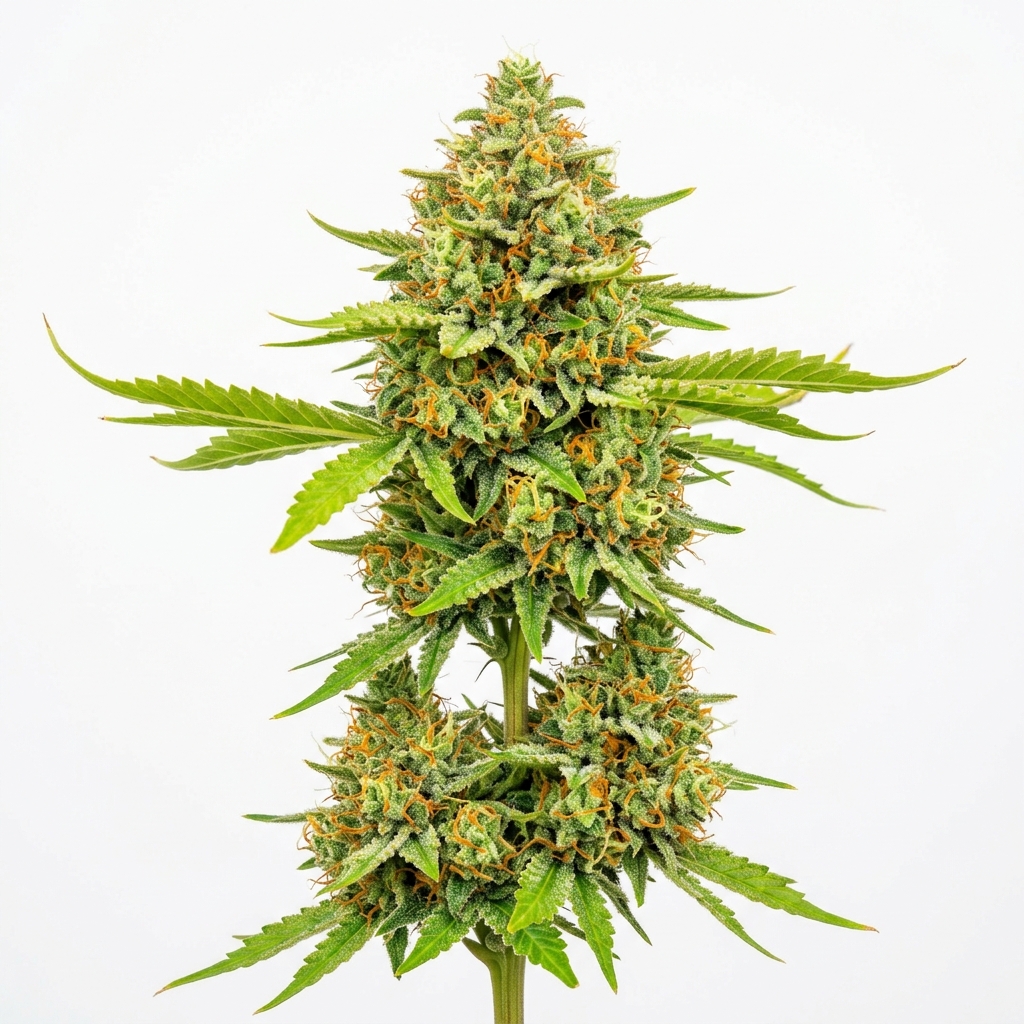
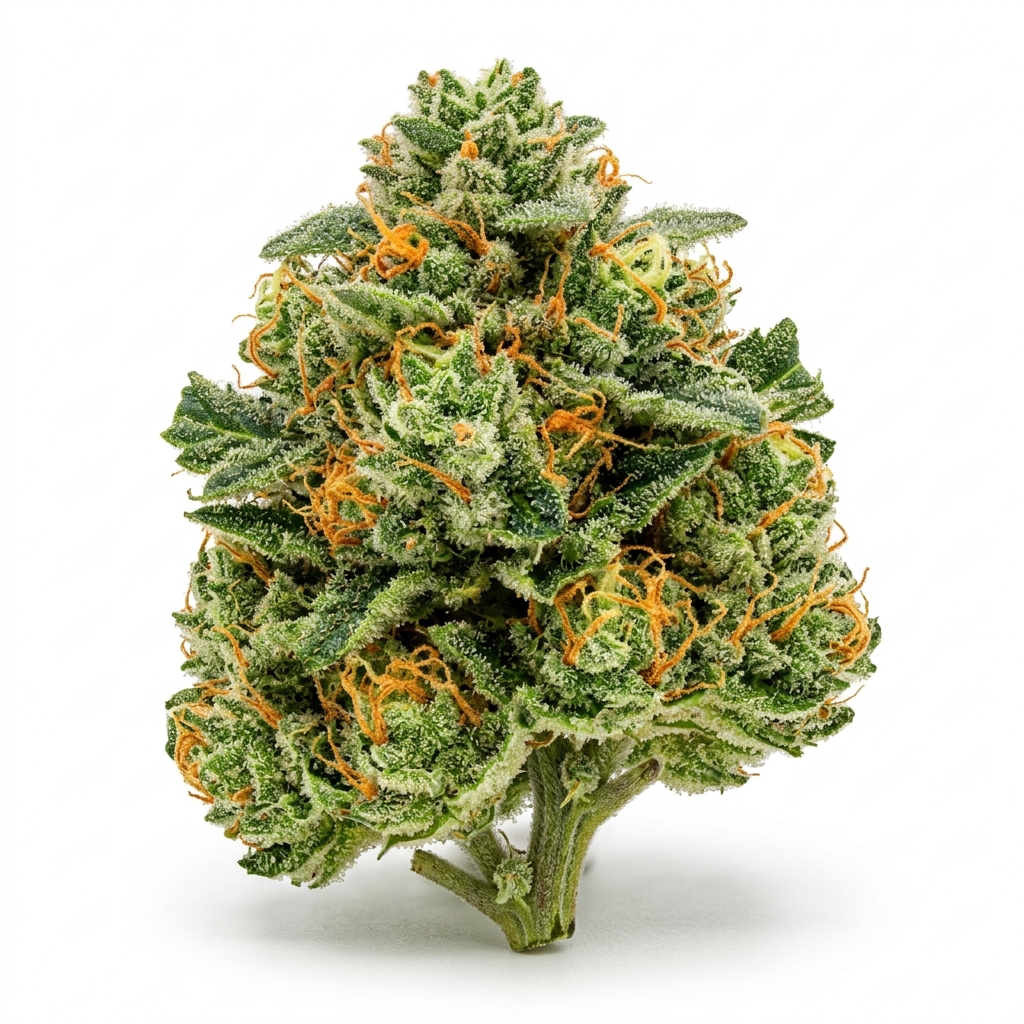
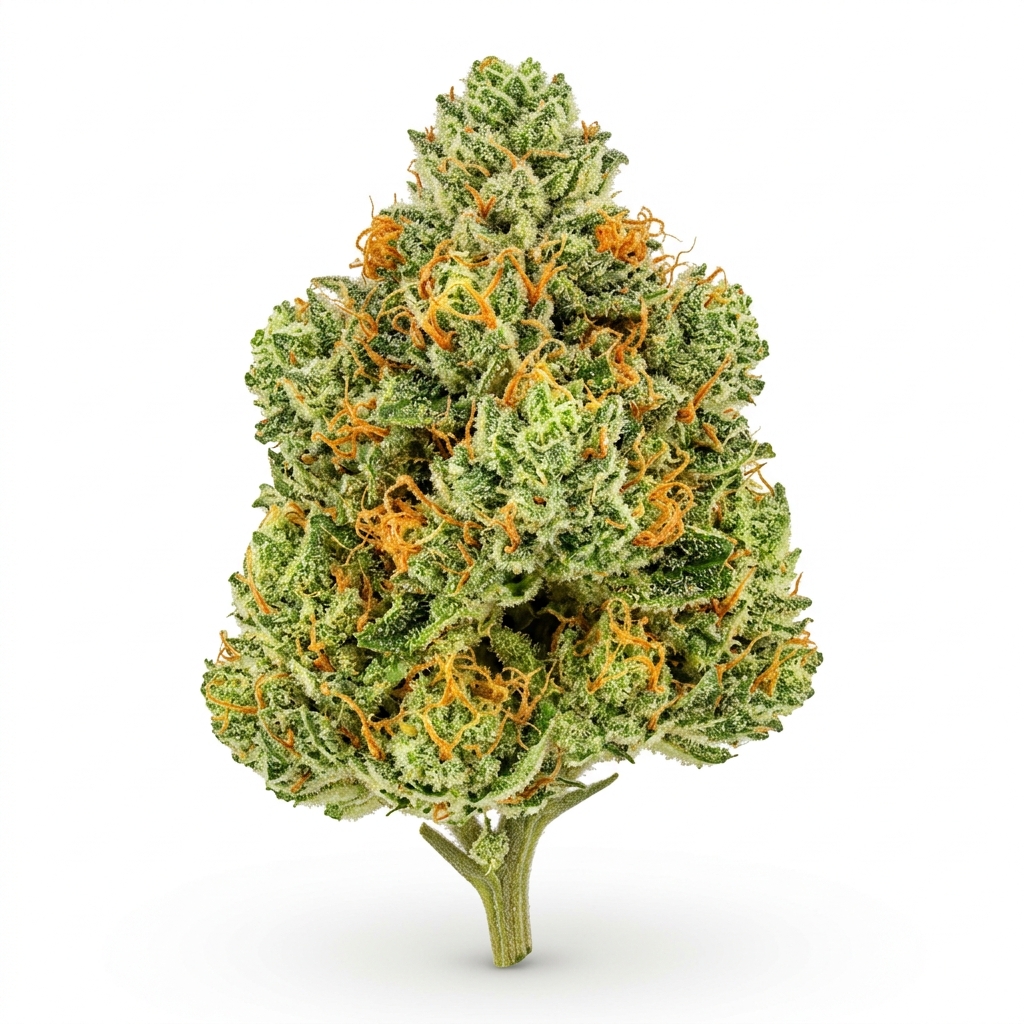
Orange Julius is a premium hybrid cannabis cultivar represented by a few notable genetic lineages. The most widely recognized variation is a sativa-dominant hybrid bred by Fancy Weed, crossing a proprietary ‘Blockhead’ cut of Agent Orange with Keebler Cookies to produce massive, dense, and exceptionally frosty buds. Another highly regarded version is an F2 photoperiod cross from 3thirteen Seeds that combines Bodhi Seeds’ Mothers Milk with Symbiotic Genetics’ Mimosa. Additionally, Mephisto Genetics offers a distinct autoflowering hybrid version pairing S.O.D.K with Sundae Thumper. Across all configurations, this cultivar is highly celebrated for its bright, creamy, citrus-forward terpene profile that mirrors its namesake beverage. Performance and yields vary depending on the chosen breeder lineage and environmental conditions.
Orange Julius Cannabis Seeds
Price range: $65.00 through $240.00
Description
AI Editorial Cultivar Score8.0/10
Highly Desirable
Editorial assessment for comparison only; not a laboratory result or product guarantee.
Aroma Complexity8.8/10
Excellent citrus-and-cream sweet profile, deeply supported by volatile terpene testing.
Resin Potential8.2/10
F1 and F2 selections show significant frost and trichome coverage inherited from Cookies and Cream or Mimosa lines.
Visual Appeal8.0/10
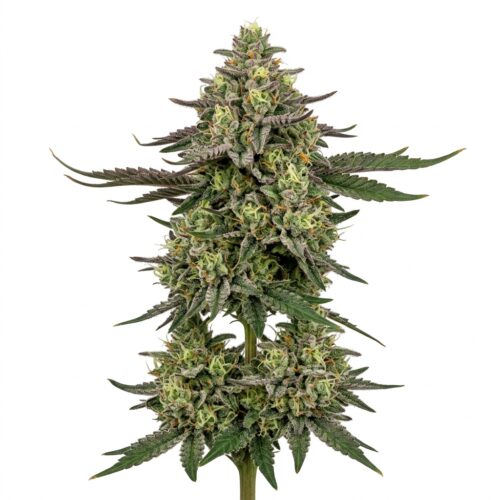
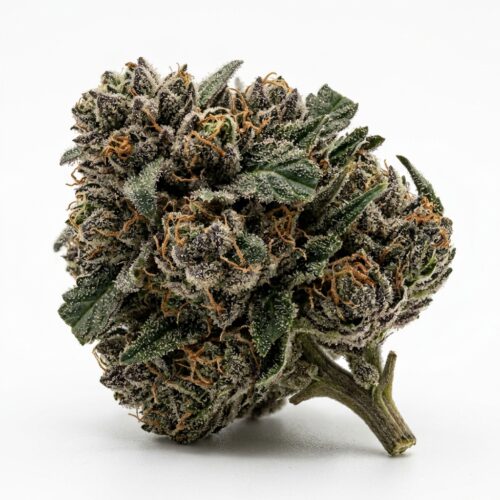
Buds are large, blocky, and bright green with a heavy coating of frosty trichomes and vibrant orange pistils.
Cultivation Accessibility7.5/10
Responsive to training but can vary in vigor and structural support requirements depending on the breeder lineage.
Documentation Confidence7.5/10
Highly documented across independent seed registries, although multiple co-existing lineages require grower verification.
Reported flower potentialCannabinoid Overview
Reported cannabinoid values can vary by phenotype, environment, harvest timing, and testing method.
Genetic relationshipLineage Diagram
Agent Orange
Keebler Cookies
Mimosa
Mother's Milk
Orange Julius Cannabis Seeds
Reported aromatic compoundsTerpene Profile
Limonene
Bright citrus, fresh orange, sweet lemon
The primary terpene in most Orange Julius phenotypes, providing the signature sweet citrus punch and energetic, uplifting aromatic notes.
Myrcene
Earthy, sweet, herbal, musky
Provides a grounding, herbal base that softens the bright citrus notes and introduces a creamy, full-bodied sweetness.
Caryophyllene
Spicy, woody, peppery, sweet
Adds a subtle spice and complexity to the finish, complementing the doughy, dessert-like qualities of the Cookie and Milk lineages.
Cultivation referenceGrow Information
Essential cultivar details
Quick Facts
Key genetics, cultivation, and reported characteristics at a glance.
GeneticsAgent Orange (Blockhead cut) x Keebler Cookies (Fancy Weed); Mimosa x Mother's Milk (3thirteen Seeds); S.O.D.K. x Sundae Thumper (Mephisto Genetics)
Breeder / OriginVaries — commonly Fancy Weed, 3thirteen Seeds, or Mephisto Genetics (verify pack)
Cultivar Typesativa-dominant hybrid
Seed TypeAvailable as Feminized, Autoflower & Regular
PhotoperiodVaries (photoperiod and autoflowering options exist from different breeders)
Reported THC Potential18% to 24%
Reported CBD PotentialUnder 1%
Flowering Time8 to 10 weeks (56 to 70 days) for photoperiod variants; approximately 75-80 days from seed for autoflower
Plant HeightMedium (approximately 80 to 140 cm indoors)
StretchModerate stretch during the early flowering phase
Difficultyintermediate
Yield CharacteristicsMedium to high yields, typically ranging from 400 to 550 g/m² indoors under optimal environments.
Indoor SuitabilityYes
Outdoor SuitabilityYes
Greenhouse SuitabilityYes
Climate PreferenceWarm, temperate, Mediterranean-style climates with low humidity
Dominant TerpenesLimonene, Myrcene, Caryophyllene
Research ConfidenceHigh (due to multiple verified independent breeder profiles)
Scientific Overview
Orange Julius is a popular name associated with several distinct cannabis cultivars. The most widely established and documented iteration is a sativa-dominant hybrid developed by West Coast breeder Fancy Weed. This version crosses a select ‘Blockhead’ cut of Agent Orange with a Cookies and Cream F2 male known as Keebler. The primary goal of this hybridization was to improve the bud density and physical structure of the notoriously light Agent Orange mother while preserving its mouthwatering citrus-heavy terpene profile. Another highly respected photoperiod variation comes from 3thirteen Seeds, which created an F2 hybrid utilizing Bodhi Seeds’ Mother’s Milk and Symbiotic Genetics’ Mimosa. Additionally, Mephisto Genetics offers an autoflowering adaptation (S.O.D.K. x Sundae Thumper). Due to these overlapping lineages, the physical expression, chemical profile, and cultivation details of any given Orange Julius seed depend heavily on the specific breeder’s genetic package.
Genetics & Lineage
To understand the heritage of Orange Julius, one must examine its distinct genetic branches. In the Fancy Weed pedigree, the legendary sativa-dominant Agent Orange contributes a massive frame, large yields, and an intense sweet orange zest, while the Keebler male (Cookies & Cream F2) injects robust branch strength and dense, resinous bud architecture. In the 3thirteen Seeds version, the lineage pairs Mother’s Milk—a creamy, sweet, candy-like phenotypic selection—with the highly sought-after Mimosa, known for its punchy tangerine rind aroma. Finally, the Mephisto Genetics autoflowering edition merges Sour Orange Diesel Kush (S.O.D.K.) with the creamy, dessert-leaning Sundae Thumper. Each lineage converges on a similar objective: creating a stable hybrid that captures the nostalgic flavor of the classic frothy orange mall beverage.
Breeder Background
Fancy Weed has a long-standing reputation for utilizing elite Pacific Northwest clone-only varieties and crossing them with robust, proven males to reinforce structural integrity and terpene complexity. 3thirteen Seeds, led by breeder HydroRed, is highly regarded within online growing forums and communities for developing reliable, small-batch, regular photoperiod genetics with exceptional transparency. Mephisto Genetics stands as an industry leader in specialized autoflowering breeding, known for converting legendary photoperiod flavor profiles into fully automatic, high-potency seed lines. Each breeder’s work reflects a distinct philosophy, ranging from classic photoperiod refinement to cutting-edge autoflowering stability.
Botanical Characteristics
When grown under optimal conditions, photoperiod Orange Julius plants show classic hybrid structural features. They generally develop a sturdy, medium-tall frame with thick, supportive branches capable of holding heavy flower clusters without excessive sagging—a direct inheritance from the Cookie and Milk parentages. The foliage consists of healthy, medium-to-wide fan leaves that are typically bright green in color, rarely showing deep purple expressions unless subjected to prolonged cool night temperatures. The nodal spacing is moderate, giving the plant a balanced canopy that responds exceptionally well to modern training techniques.
Flower Structure
The flower structure of Orange Julius is a major highlight, especially when compared to its airy parent, Agent Orange. The introduction of Keebler Cookies genetics dramatically condensed the bud architecture, resulting in large, heavy, blocky colas that are remarkably dense and solid. The buds are typically bright lime green with contrasting, tightly clustered neon orange pistils. They are heavily coated in a thick, sticky layer of capitate-stalked trichomes that give the flowers a shimmering, frosted appearance, making them highly appealing for physical inspection and solventless extraction.
Aroma & Flavor Profile
The sensory experience of Orange Julius is exceptionally distinct and consistent across its various genetic versions. The primary aroma is a loud, sweet, and frothy citrus—reminiscent of fresh orange juice blended with vanilla cream. On the break, deeper layers of doughy cookies, soft floral bouquets, and subtle earthy spices emerge. The flavor mirrors this complex profile perfectly; upon inhalation, growers can expect a sharp burst of sweet tangerine and orange zest, followed by a smooth, lingering, custard-like exhale. This rich flavor profile is driven by high concentrations of Limonene and Myrcene, balanced by Caryophyllene.
Cultivation Overview
Cultivating Orange Julius is generally considered an intermediate task, primarily because growth characteristics can vary between the different breeder versions. The plant performs exceptionally well in both indoor soil or hydroponic setups, as well as outdoor Mediterranean climates. Because certain phenotypes can stretch moderately during the transition to flower, early canopy management is highly recommended to maximize lateral development. Outdoor growers should ensure adequate protection against high humidity late in the season, as the dense flower structures can be sensitive to moisture retention.
Indoor Considerations
Indoors, Orange Julius thrives with standard training methods such as topping, low-stress training (LST), or Scrog (Screen of Green) setups. The plants typically require an 8 to 10 week (56 to 70 days) flowering window depending on the exact phenotype and lineage. Maintaining a moderate feeding schedule with a standard vegetative nutrient balance, followed by a bloom regimen rich in phosphorus and potassium, will support the heavy, dense bud development. Keeping relative humidity (RH) around 40-50% during the late flowering stage is critical to protect the dense colas.
Outdoor Considerations
When grown outdoors, Orange Julius prefers a warm, dry, and temperate climate with consistent sunlight. The plants develop a robust structure and can reach medium-to-tall heights when given ample root space in large pots or raised beds. In the Northern Hemisphere, harvest typically falls in early-to-mid October. Due to the high density of the mature buds, protecting the canopy from heavy autumn rains and monitoring closely for moisture-related issues is essential for a successful harvest.
Phenotype Variation
Growers should expect a reasonable degree of phenotypic variation, particularly when launching regular seeds. In the Fancy Weed lineage, some phenotypes will lean heavily toward the sweet, sharp tangerine rind traits of Agent Orange, while others display a doughier, more cookie-dominant structure with subtle citrus undertones. 3thirteen Seeds’ F2 generation deliberately opens up the genetic lottery, offering phenotypic expressions ranging from candy-sweet floral bouquets to deep creamy orange profiles. Growers are encouraged to keep mother plants of their favorite selections to preserve specific terpene-rich phenotypes.
Frequently Asked Questions
What is the genetic lineage of Orange Julius?
The genetic lineage of Orange Julius depends on the breeder. The most common photoperiod version, created by Fancy Weed, crosses Agent Orange (Blockhead cut) with Keebler Cookies. 3thirteen Seeds offers an alternative version crossing Mimosa and Mother’s Milk, while Mephisto Genetics produces an autoflowering version crossing S.O.D.K. and Sundae Thumper.
How long does Orange Julius take to flower?
Photoperiod variants of Orange Julius typically require a flowering period of 8 to 10 weeks (56 to 70 days) indoors. The autoflowering version from Mephisto Genetics generally finishes in approximately 75 to 80 days from germination under optimal lighting conditions.
What does Orange Julius smell and taste like?
Orange Julius is highly celebrated for its bright, sweet, and creamy citrus aroma. The terpene profile closely resembles its namesake drink, offering forward notes of fresh orange juice, sweet vanilla cream, and soft cookie dough with subtle earthy, spicy undertones.
Is Orange Julius easy to grow for beginners?
Orange Julius is rated as intermediate in growing difficulty. While it develops a sturdy branch structure and responds exceptionally well to standard training methods like topping and LST, growers must manage the moderate flowering stretch and maintain controlled humidity levels to protect its dense buds.
Are Orange Julius seeds feminized or regular?
This depends entirely on the specific breeder. Fancy Weed and 3thirteen Seeds historically released Orange Julius as regular photoperiod seeds, whereas Mephisto Genetics provides feminized autoflowering seeds. Always verify the specific seed package details with your retailer before purchase.
Disclaimer
Cannabis seeds are sold strictly as souvenir, collectable, and preservation items. It is imperative to research and comply with all local, state, and federal laws regarding the cultivation of cannabis before germinating any seeds. The cultivation performance, cannabinoid potential, and terpene profiles detailed here are based on mature flowers grown under professional, optimized conditions and are subject to variation based on growing environments, phenotypes, and breeder-specific lineages.
Additional information
| Packs | 5 Seeds, 10 Seeds, 25 Seeds |
|---|




Reviews
There are no reviews yet.