
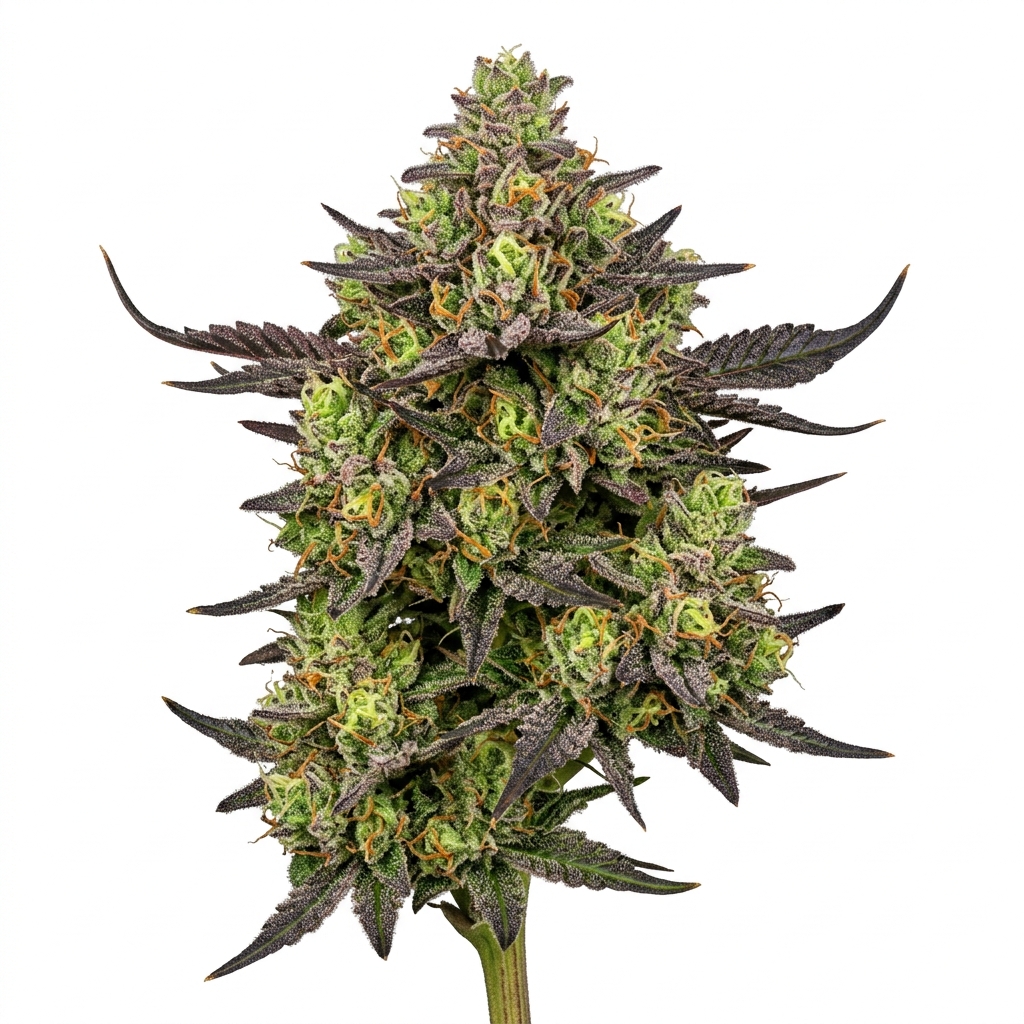
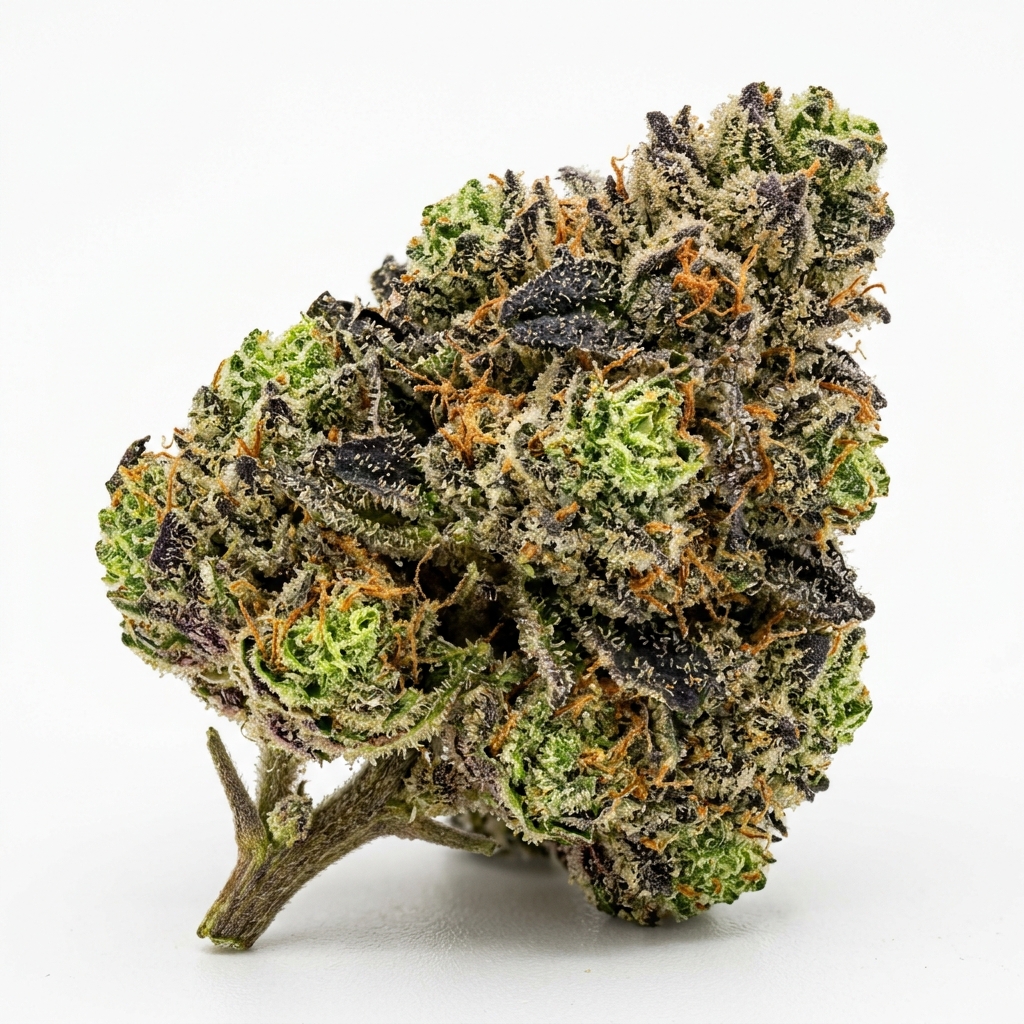
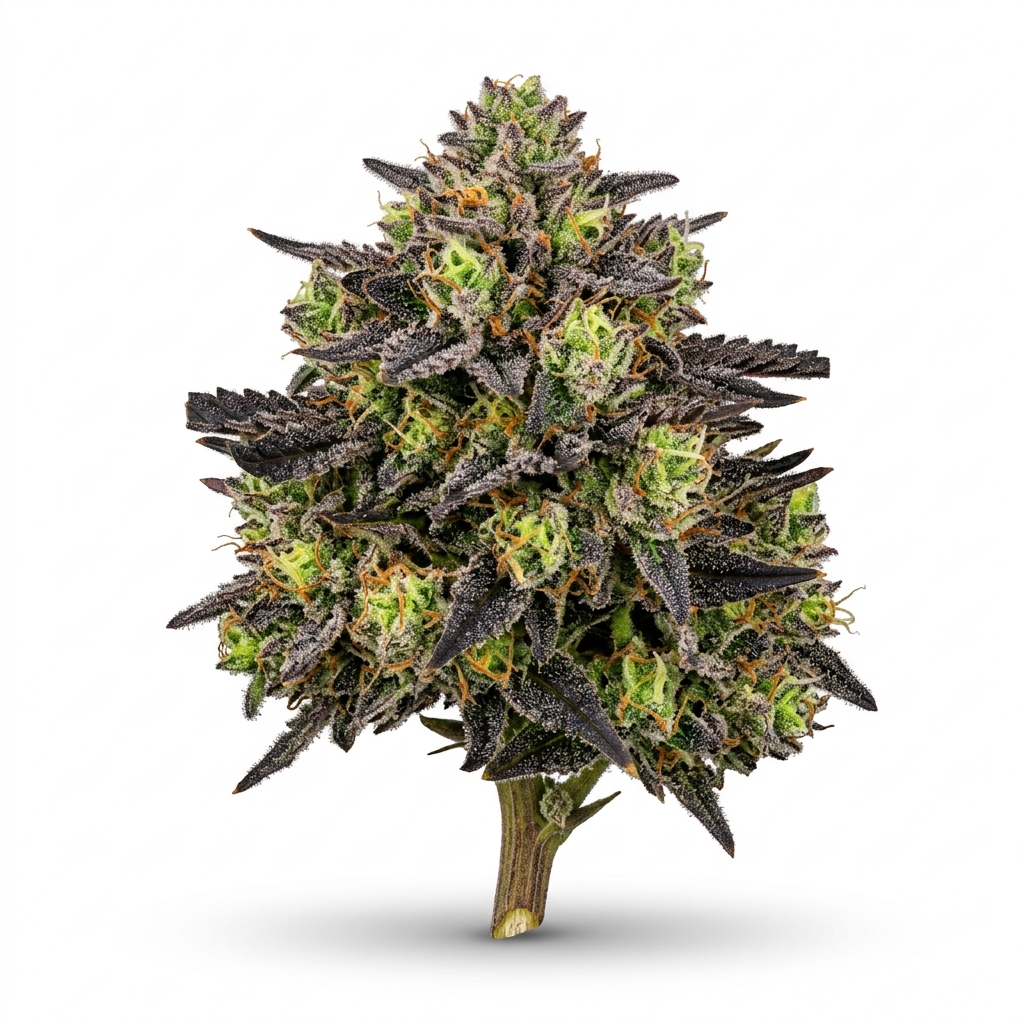
Frog Poison is a highly coveted indica-dominant hybrid originally bred by Ronin Seeds and selected as a legendary clone-only cut by Green Dragon in California. Developed from a cross of the heavy-hitting Animal Face and the complex Sin Mintz, this cultivar has captured the attention of the craft cannabis market. Celebrated for its unique terpene profile, it blends a savory mix of black peppercorn spice, cool mint, sweet citrus zest, and gassy umami. In cultivation settings, Frog Poison is known as a heavy-yielding, resin-drenched feeder that thrives under intensive lighting regimes, especially when supplemental under-canopy fixtures are employed. With reported mature-flower THC potentials ranging from 24% to 34%, it stands as a robust, visually striking addition to any connoisseur library.
Frog Poison Cannabis Seeds
Price range: $65.00 through $240.00
Description
AI Editorial Cultivar Score8.8/10
Elite Exotic
Editorial assessment for comparison only; not a laboratory result or product guarantee.
Aroma Complexity9.5/10
Remarkable blend of candy, cool mint, citrus, umami, and gassy funk that stands out among cookie-dominant hybrids.
Resin Potential9.4/10
Produces incredibly sticky, trichome-heavy flowers with up to 3% wash yields reported by extraction specialists.
Visual Appeal9.0/10
Features dense, blocky neon-purple and green buds coated in a dense forest of crystalline trichomes.
Cultivation Accessibility7.8/10
Moderate growth difficulty requiring optimized lighting and nutrient inputs to maximize its potential.
Documentation Confidence8.5/10
Extensive industry lore, podcast coverage, and analysis confirm its origins and performance characteristics.
Reported flower potentialCannabinoid Overview
Reported cannabinoid values can vary by phenotype, environment, harvest timing, and testing method.
Genetic relationshipLineage Diagram
Animal Face
Sin Mintz
Frog Poison Cannabis Seeds
Reported aromatic compoundsTerpene Profile
Limonene
Zesty Citrus
Contributes sharp lemon and citrus notes that give the flower its tropical candy-like undertones.
Beta-Caryophyllene
Peppercorn Spice
Adds a pungent, spicy, and woody kick that interacts with the body's endocannabinoid receptors.
Linalool
Soft Floral
Provides a gentle lavender-like floral complexity that softens the sharp gas and mint profile.
Myrcene
Earthy Hops
Grounds the cultivar with an earthy, herbal base, promoting a deeply relaxing aromatic foundation.
Cultivation referenceGrow Information
Essential cultivar details
Quick Facts
Key genetics, cultivation, and reported characteristics at a glance.
GeneticsAnimal Face x Sin Mintz
Breeder / OriginRonin Seeds
Cultivar Typeindica-dominant hybrid
Seed TypeAvailable as Feminized, Autoflower & Regular
PhotoperiodPhotoperiod
Reported THC Potential24% – 34%
Reported CBD PotentialNot confirmed
Flowering Time56–63 days
Plant Height60 to 120 cm indoors, 120 to 180 cm outdoors
StretchModerate
DifficultyModerate
Yield CharacteristicsHeavy yields, highly responsive to supplemental and under-canopy lighting
Indoor SuitabilityYes
Outdoor SuitabilityYes
Greenhouse SuitabilityYes
Climate PreferenceTemperate, Mediterranean, controlled indoor environments
Dominant TerpenesLimonene, Beta-Caryophyllene, Linalool, Myrcene
Research ConfidenceHigh
Scientific Overview
Frog Poison represents a high-caliber modern chemotype resulting from advanced genetic hybridization. The cultivar showcases a dominant presence of limonene, beta-caryophyllene, and linalool, creating a complex chemical fingerprint. This biochemical arrangement leads to robust resin production, making it a highly desirable candidate for solventless extraction. The plant’s architecture demonstrates structural characteristics typical of indica-leaning hybrids, displaying dense, nodular flower clusters that are highly responsive to supplemental illumination.
Genetics & Lineage
The genetics of Frog Poison trace back to a cross between Animal Face (bred by Seed Junky Genetics) and Sin Mintz (a cross of Sin Mint Cookies and Zkittlez). Originally bred by Ronin Seeds in Los Angeles, California, a thirty-seed selection hunt was carried out by Green Dragon, where the standout ‘Becky’ phenotype was discovered. Over the years, the cultivar has also been referred to or closely linked with ‘Toad Venom,’ causing some nomenclature debates in the community. Leafly reports a different lineage (Venom OG x All Gas OG), but the consensus among California breeders and nurseries points directly to the Animal Face x Sin Mintz cross.
Breeder Background
Ronin Seeds, based in Los Angeles, has earned a stellar reputation in the boutique cannabis space for producing complex, terpene-rich hybrids. Their work with crosses involving Seed Junky and Cookie family lines has yielded some of the most sought-after exotic cultivars on the West Coast. The selection of Frog Poison by Green Dragon’s cultivation team further cemented this breeder’s standing in modern cannabis history.
Botanical Characteristics
Frog Poison exhibits a stout, bush-like growth habit with broad fan leaves and strong lateral branching. It features short internodal spacing and is particularly robust during the vegetative stage. The foliage often shifts from vibrant forest green to deep violet hues when exposed to cooler nighttime temperatures during the latter half of the flowering cycle.
Flower Structure
The mature flowers of Frog Poison are exceptionally dense and blocky, displaying a tight, calyx-to-leaf ratio that makes hand-trimming straightforward. The buds are heavily coated in capitate-stalked trichomes that frequently stick together upon handling. The coloration is striking, highlighting neon green calyxes accented by purple-black sugar leaves and vibrant orange pistils.
Aroma & Flavor Profile
Inhalation of Frog Poison reveals an immediate burst of cool mint and gassy diesel, followed quickly by overripe tropical fruit notes like papaya and citrus soda. On the exhale, the flavor settles into a savory blend of black peppercorn spice, creamy dough, and an underlying earthy umami. This unique flavor complexity provides a multi-layered experience that changes from the initial dry pull to the final burn.
Cultivation Overview
Cultivating Frog Poison requires intermediate to advanced botanical attention. The plants thrive in environment-stabilized indoor facilities or greenhouses where humidity and temperature can be meticulously controlled. Performance and yields vary significantly depending on cultivation techniques, medium selection, and environmental parameters.
Indoor Considerations
Indoors, Frog Poison responds exceptionally well to supplemental lighting, particularly under-canopy LED fixtures which help increase overall bud density on lower branches. It is classified as a moderate-to-heavy feeder during its 56-to-63-day flowering window, requiring stable macronutrient profiles and close monitoring of relative humidity during late bloom to prevent moisture retention in the dense buds.
Outdoor Considerations
When grown outdoors, Frog Poison prefers a warm, Mediterranean climate with plenty of direct sunlight. It typically matures for harvest in October. Due to the high density of its flower clusters, proper airflow is vital, making gentle defoliation of the lower canopy and protection from late-season rains essential.
Phenotype Variation
While the famous ‘Becky’ clone-only cut is the gold standard for this cultivar, growers starting from seed lines should expect some phenotypic variation. Phenotypes may lean toward the heavier, gassy fuel-forward profile of Animal Face, while others express the sweet, zesty, and minty traits of the Sin Mintz parentage.
Frequently Asked Questions
Who originally bred the Frog Poison cultivar?
Frog Poison was originally bred by Ronin Seeds in Los Angeles, California, with the famous ‘Becky’ phenotype later hunted and selected by Green Dragon.
What is the genetic lineage of Frog Poison?
The primary consensus lineage for Frog Poison is Animal Face crossed with Sin Mintz (Sin Mint Cookies x Zkittlez).
What is the typical flowering time for Frog Poison?
Frog Poison typically completes its indoor flowering cycle in approximately 56 to 63 days (8 to 9 weeks).
Does Frog Poison have any other common names?
Yes, Frog Poison is highly associated and frequently synonymous with ‘Toad Venom’ and the specific clone-only cut nickname ‘Becky.’
How does Frog Poison perform under supplemental indoor lighting?
Cultivation trials have shown that Frog Poison is highly responsive to under-canopy and supplemental lighting, resulting in heavier yields and dense stack development.
Disclaimer
This product profile is intended solely for educational, historical, and preservation purposes. Cultivation of cannabis is subject to diverse local, state, and federal laws. Growers must consult their local jurisdictions before germinating seeds or acquiring clone material.
Additional information
| Packs | 5 Seeds, 10 Seeds, 25 Seeds |
|---|




Reviews
There are no reviews yet.