Elderflower is a balanced hybrid cannabis cultivar celebrated for its refined botanical bouquet and clean floral aromatics. While the exact parentage remains proprietary and unconfirmed by open-source seed registries, the cultivar has gained widespread recognition for its distinctive fragrance of blooming elderflower, crisp citrus zest, and delicate herbal spice. Cultivar profiles highlight a terpene ensemble dominated by limonene, beta-myrcene, and alpha-bisabolol. Designed for growers and collectors seeking rare floral-forward profiles rather than common dessert or fuel notes, Elderflower offers an elegant addition to any garden library. Individual plant performance, flowering traits, and morphological development will vary across environments and individual phenotypes.
THCNot confirmed
CBDNot confirmed
Reported mature-flower potential, not seed content. Results can vary by phenotype, environment and testing method.
Delicate Spring Wildflower Aromas Infused with Bright Citrus and Herbal Depth
Elderflower offers a refreshing departure from conventional terpene profiles, presenting a bouquet reminiscent of fresh blossoms, sweet elderflower cordial, and gentle citrus zest. Its balanced hybrid lineage makes it an intriguing option for collectors and cultivators who prioritize nuanced aromatic complexity and smooth botanical character.
Elderflower is categorized taxonomically as a balanced Cannabis sativa L. hybrid cultivar. The variety is recognized primarily for its uncommon secondary metabolite profile, which emphasizes floral monoterpenes and sesquiterpenes alongside classic citrus elements. Dominant terpenes such as limonene, beta-myrcene, and alpha-bisabolol interact to generate an olfactory profile evoking European elderberry blossoms (Sambucus nigra). While manufactured concentrate formulations carrying the Elderflower name exist in legal dispensary markets, certified uninfused dried flower cannabinoid baselines remain unconfirmed in public agronomic databases, warranting careful phenotypic testing by cultivators.
Genetics & Lineage
The exact genetic lineage of Elderflower is held under proprietary status. Rather than descending from standard commercial dessert or fuel crosses, the cultivar was bred to emphasize floral and sweet botanical expressions. In industry records, it behaves as a balanced hybrid, displaying morphological characteristics intermediate between narrow-leaf and broad-leaf varietals. Collectors should note that because seed and cut distribution has been boutique, minor phenotypic variations in terpene expression and vegetative vigor are common.
Breeder Background
The original breeding organization for the base Elderflower genetic profile has not published formal botanical records, keeping the parental lineage private. The profile gained public attention through boutique processors and hybrid product lines celebrating delicate floral aromatics. In the modern seed landscape, Elderflower represents a specialized breeding direction focused on subtle herbal and blossom nuances over heavy gas or skunk profiles.
Botanical Characteristics
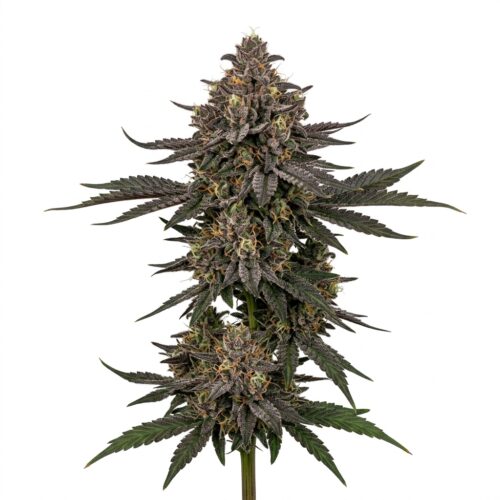
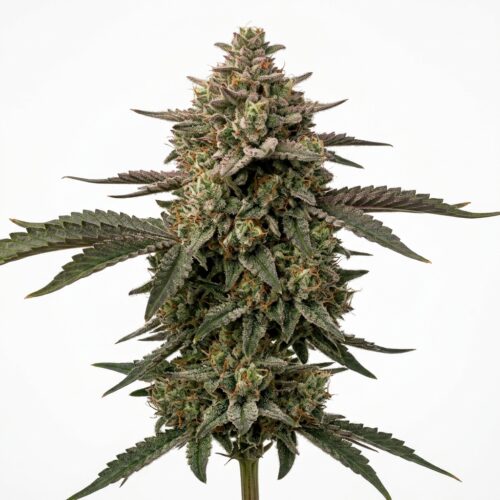
As a balanced hybrid, Elderflower typically exhibits intermediate internodal spacing, sturdy lateral branching, and moderate foliage density. Plants produce medium-sized fan leaves that transition from vibrant green during vegetative growth to lighter hues near maturity. While specific height ranges and stretch ratios are not definitively documented, hybrid genetics typically produce a manageable 1.5x to 2x stretch upon entering the flowering cycle.
Flower Structure
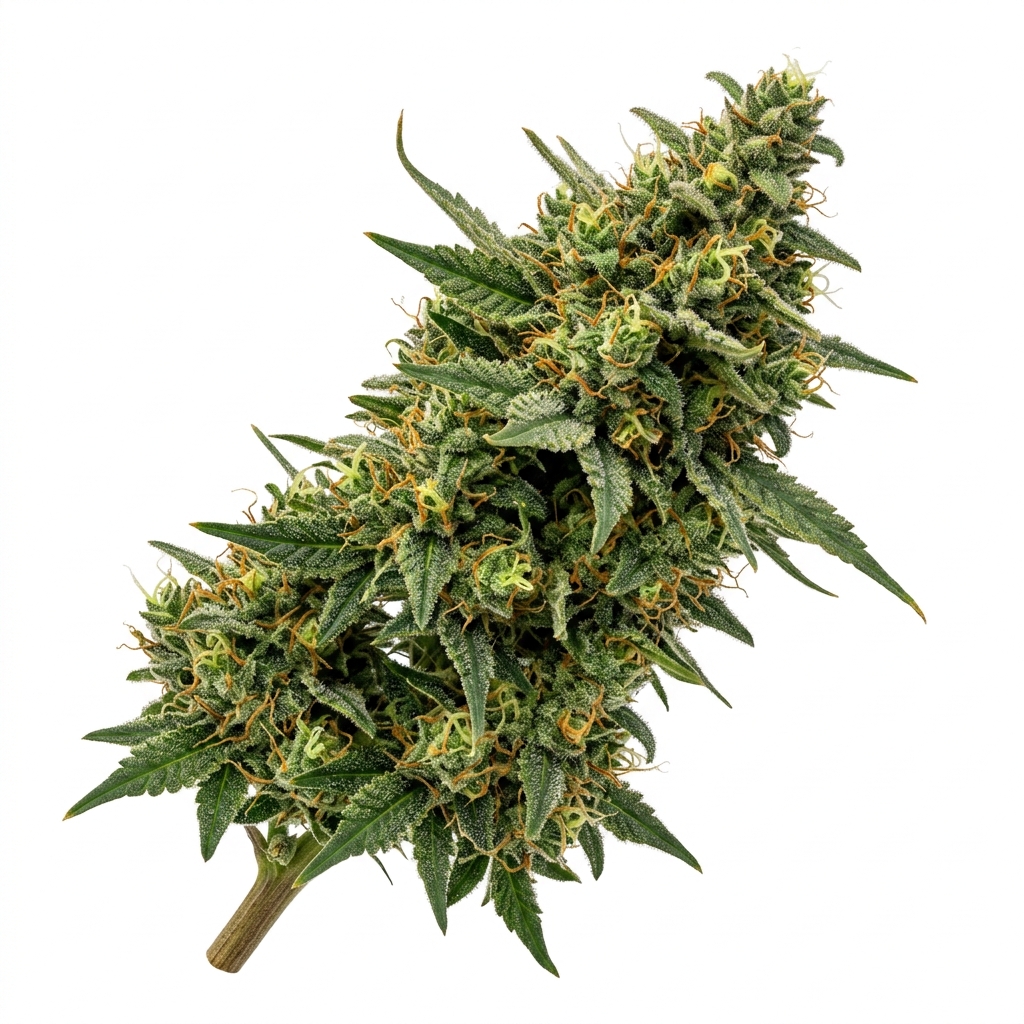
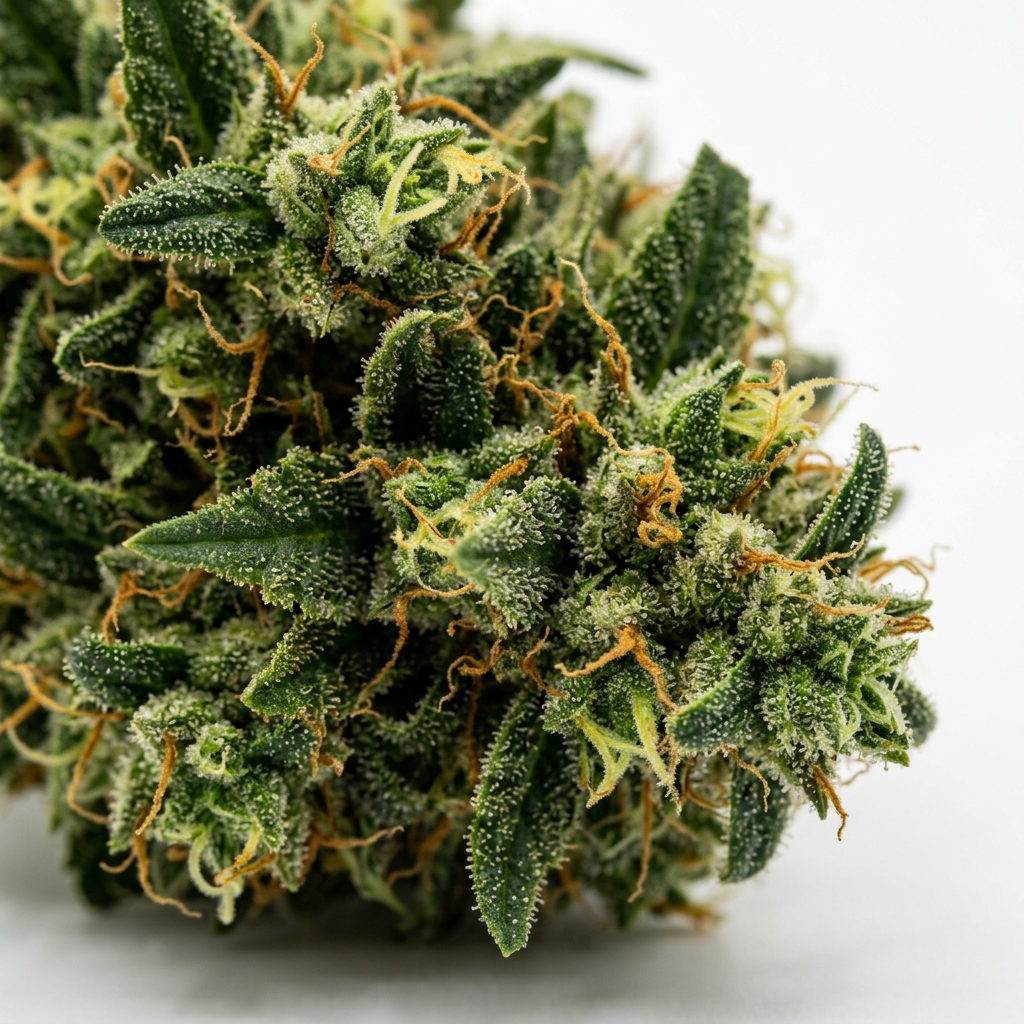
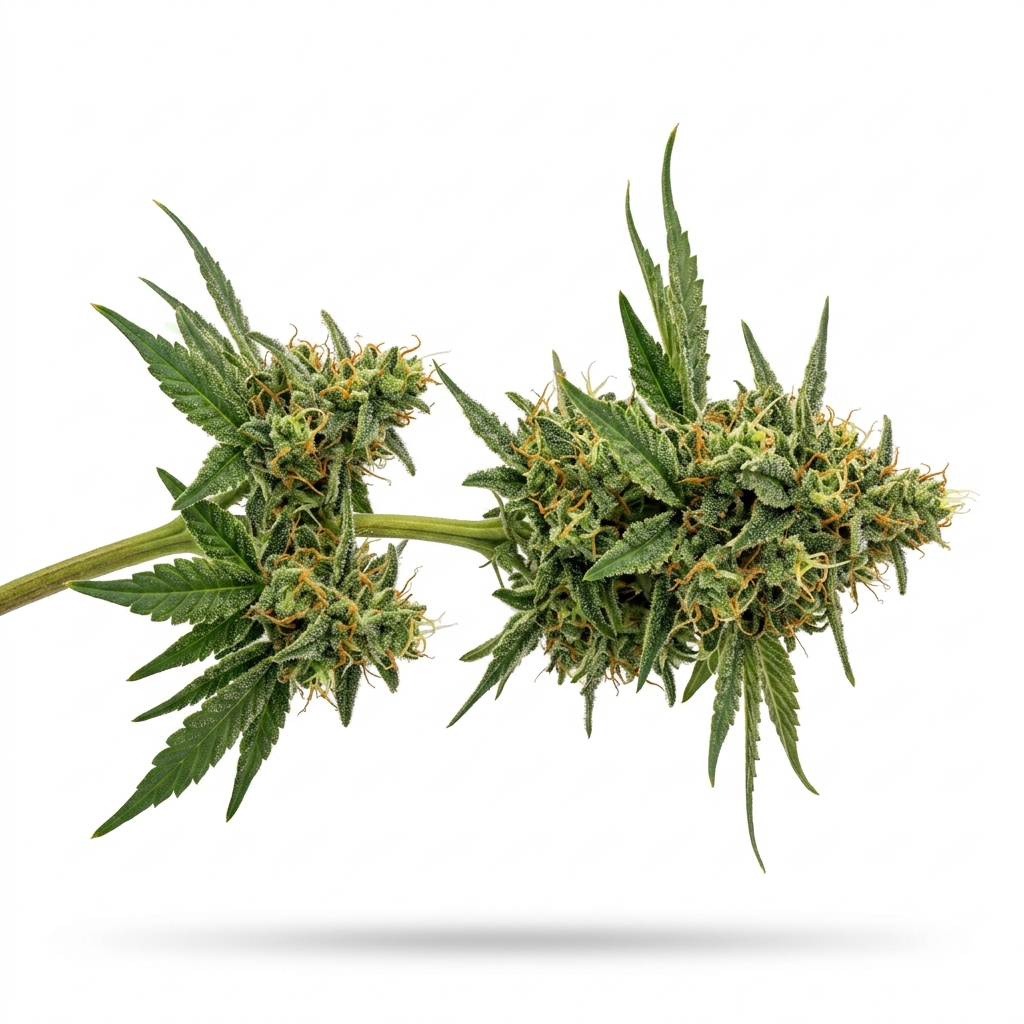
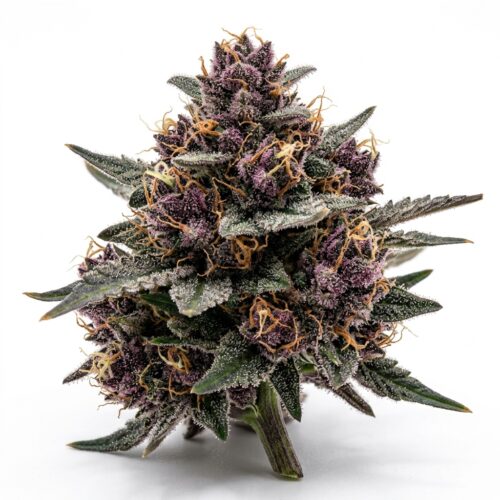
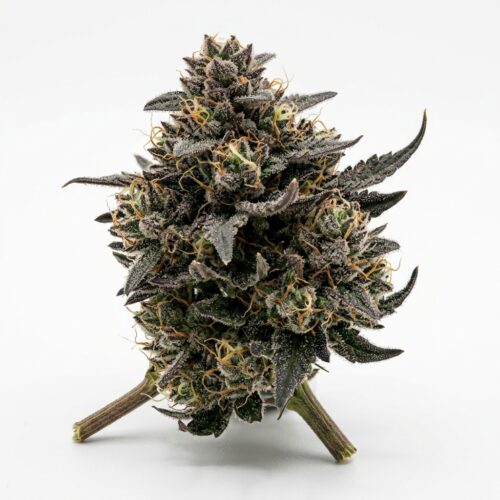
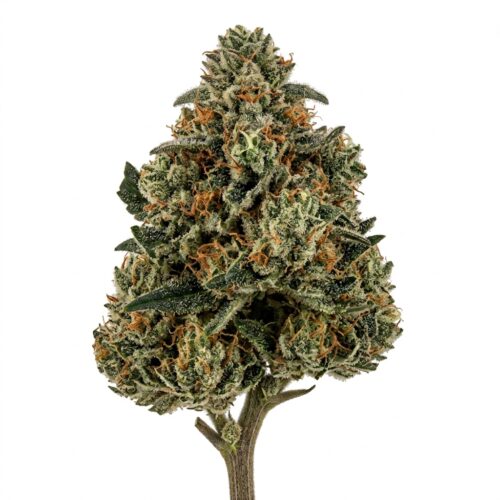
The floral architecture of Elderflower reflects its hybrid heritage, producing clustered, calyx-rich buds. When cultivated under optimal light and environmental controls, the bracts develop a uniform coating of glandular trichomes that contain its fragrant essential oils. Pistillate hairs develop alongside resin heads, maturing to warm orange or amber hues during the late ripening phase.
Aroma & Flavor Profile
The sensory signature of Elderflower is its defining trait. On the nose, it offers a bouquet of blooming white wildflowers, honeyed blossom, and fresh meadow herbs, complemented by a sharp twist of citrus peel. When consumed, the flavor delivers clean notes of floral tea, delicate chamomile, and sweet citrus on the exhale, avoiding heavy acrid or diesel undertones.
Cultivation Overview
Cultivation data for Elderflower follows standard hybrid care regimens. The plant responds well to balanced nutrient feeding with an emphasis on phosphorus and potassium during floral development. Maintaining appropriate airflow and moderate relative humidity is recommended to preserve delicate monoterpenes and protect dense calyxes from moisture accumulation. Individual garden performance and harvest timing will vary based on environmental conditions and grower technique.
Indoor Considerations
Indoor growers should provide uniform LED or high-intensity lighting and implement canopy management techniques such as low-stress training (LST) or topping during the vegetative stage to encourage multiple bud sites. Maintaining daytime temperatures around 72–78°F (22–26°C) and lowering late-stage humidity helps preserve the volatile terpene bouquet.
Outdoor Considerations
In outdoor settings, Elderflower thrives in temperate, Mediterranean, or warm continental climates with ample sunlight and well-aerated soil. Protection from late-season rains and early frosts is advised, as dense floral clusters benefit from dry finishing conditions.
Phenotype Variation
Because Elderflower is preserved across select boutique cuts and limited seed releases, phenotypic variance may be observed. Certain phenotypes may emphasize sharper citrus zest notes driven by elevated limonene, while others produce a more pronounced chamomile and wildflower bouquet driven by bisabolol and linalool.
Frequently Asked Questions
What type of strain is Elderflower?
Elderflower is classified as a balanced hybrid cannabis cultivar known for its unique floral and citrus-spice aromatic profile.
What are the parent genetics of Elderflower?
The specific parental lineage of Elderflower remains proprietary and undisclosed by its original breeders.
What does Elderflower smell and taste like?
It is distinguished by aromas and flavors of fresh elderflower blossom, wildflower tea, sweet citrus peel, and gentle herbal spice.
What are the dominant terpenes in Elderflower?
Lab profiles identify limonene, beta-myrcene, alpha-bisabolol, and linalool as key contributors to its distinct bouquet.
What is the mature flower THC potential of Elderflower?
Exact dried flower THC potential has not been confirmed in open-source agronomic databases, though its genetics place it in the standard hybrid potency range.
Are cannabis seeds guaranteed to contain THC or CBD?
No. Cannabis seeds contain no measurable THC or CBD; cannabinoid potential develops solely in mature female flowers following cultivation.
Edelweiss #3 x Dojaberry (or Raspberry Kush cross)
Comparison is informational and reflects reported cultivar-level data; phenotype and growing conditions can change results.
Ready to choose?
Cultivate the Unique Essence of Elderflower
Whether you are a preservationist exploring rare botanical aromas or a cultivator seeking a standout floral profile, Elderflower brings sophisticated aromatics and balanced hybrid vigor to your collection. Review verified cultivation requirements and secure genuine seed genetics to begin your grow.
Cannabis seeds are sold strictly as collectible adult souvenirs and genetic preservation items in accordance with local and international laws. Germination and cultivation of cannabis seeds are subject to regional regulations. Cannabinoid values refer exclusively to reported mature-flower potential; cannabis seeds contain 0% THC.
Additional information
Packs
5 Seeds, 10 Seeds, 25 Seeds
Reviews
There are no reviews yet.
Be the first to review “Elderflower Cannabis Seeds” Cancel reply



Reviews
There are no reviews yet.