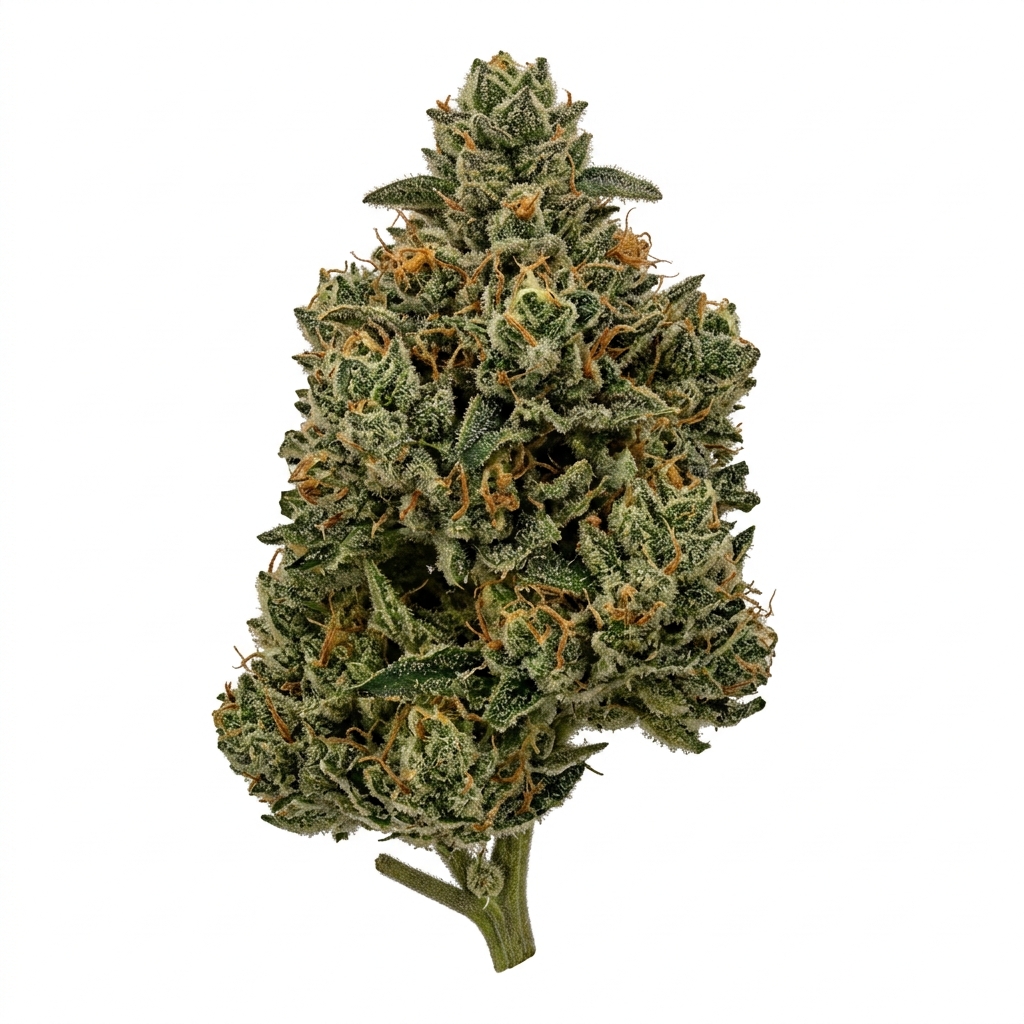
Tusi is a boutique modern hybrid cultivar renowned for its confectionary aroma and rich dessert-like flavor profile. Emerging through California’s craft cannabis scene via cultivators such as GOTTI, Tusi stands out with an unmistakable aromatic signature featuring sweet candy, rich cream, and subtle pink-fruit undertones reminiscent of modern candy-gas selections like Zkittlez and Lemon Cherry Gelato. Mature flowers develop dense, resin-encrusted calyxes with vibrant contrast and excellent bag appeal. While specific parentage and lab-verified cannabinoid values remain unconfirmed in public databases, the cultivar continues to attract attention from dedicated collectors and flavor-focused cultivators seeking unique terpene expressions and dense trichome production.
THCNot confirmed
CBDNot confirmed
Reported mature-flower potential, not seed content. Results can vary by phenotype, environment and testing method.
A dessert-forward hybrid cultivar defined by rich confectionary sweetness and dense resinous flowers.
Tusi appeals to collectors and growers who prioritize sensory excellence and contemporary candy terpene profiles. Renowned for its rich blend of sugary candy, creamy undertones, and dense trichome coverage, this cultivar offers an exceptional modern hybrid profile suited for controlled indoor and greenhouse gardens.
Exhibits robust hybrid vegetative branching and moderate stretch adaptable to canopy training.
AI Editorial Cultivar Score7.9/10
Very Good
Editorial assessment for comparison only; not a laboratory result or product guarantee.
Aroma Complexity8.8/10
Exhibits an exceptionally rich, multifaceted sweet candy and dessert cream terpene signature.
Resin Potential8.2/10
Produces dense layers of capitate-stalked trichomes suitable for solventless and sensory extraction.
Visual Appeal8.4/10
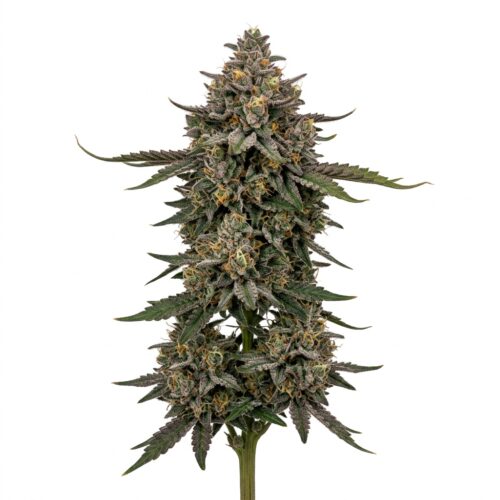
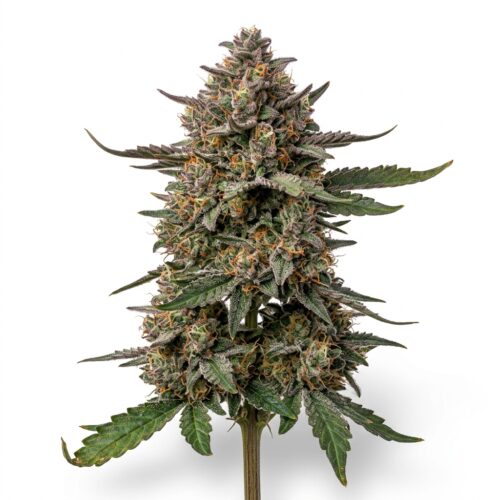
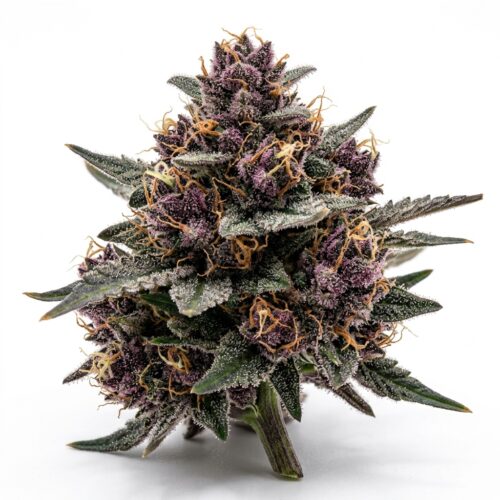
Forms tightly packed, frost-dusted calyxes with rich forest green and subtle anthocyanin highlights.
Cultivation Accessibility7.5/10
Requires attentive climate and humidity control to protect dense colas, making it best for intermediate growers.
Documentation Confidence6.6/10
Commercial flower is well reviewed, but foundational breeding records remain proprietary.
Reported flower potentialCannabinoid Overview
THCNot confirmedMature flowers; not seed contentCBDNot confirmedMature flowers; not seed content
Reported cannabinoid values can vary by phenotype, environment, harvest timing, and testing method.
Reported aromatic compoundsTerpene Profile
Limonene
Citrus zest, candied lemon, and sweet fruit punch
A prevalent monoterpene that accentuates bright, fruity candy nuances in the aromatic profile.
Caryophyllene
Warm spice, subtle pepper, and sweet wood
A sesquiterpene that interacts directly with CB2 receptors, adding depth and warmth beneath the sugary top notes.
Myrcene
Sweet herbal, ripe mango, and earthy musk
Contributes to the rich, smooth background and enhances overall aromatic saturation.
Linalool
Soft floral, lavender cream, and delicate sweetness
Adds a refined, creamy floral note that softens the bold artificial candy inhale.
Cultivation referenceGrow Information
HeightMedium (approx. 90 – 140 cm indoors)Flowering8 – 9 weeks (commonly reported)ClimateTemperate, warm, and Mediterranean-style climates with low late-flower humidityDifficultyModerateYieldModerate to high, depending on canopy management and environmental optimizationStretchModerate (approx. 100% to 150% stretch during early flower)IndoorHighOutdoorModerateGreenhouseHigh
Essential cultivar details
Quick Facts
Key genetics, cultivation, and reported characteristics at a glance.
GeneticsProprietary hybrid cross (undisclosed)
Breeder / OriginNot confirmed
Cultivar Typeindica-dominant hybrid
Seed TypeAvailable as Feminized, Autoflower & Regular
PhotoperiodPhotoperiod
Reported THC PotentialNot confirmed
Reported CBD PotentialNot confirmed
Flowering Time8 – 9 weeks (commonly reported)
Plant HeightMedium (approx. 90 – 140 cm indoors)
StretchModerate (approx. 100% to 150% stretch during early flower)
DifficultyModerate
Yield CharacteristicsModerate to high, depending on canopy management and environmental optimization
Indoor SuitabilityHigh
Outdoor SuitabilityModerate
Greenhouse SuitabilityHigh
Climate PreferenceTemperate, warm, and Mediterranean-style climates with low late-flower humidity
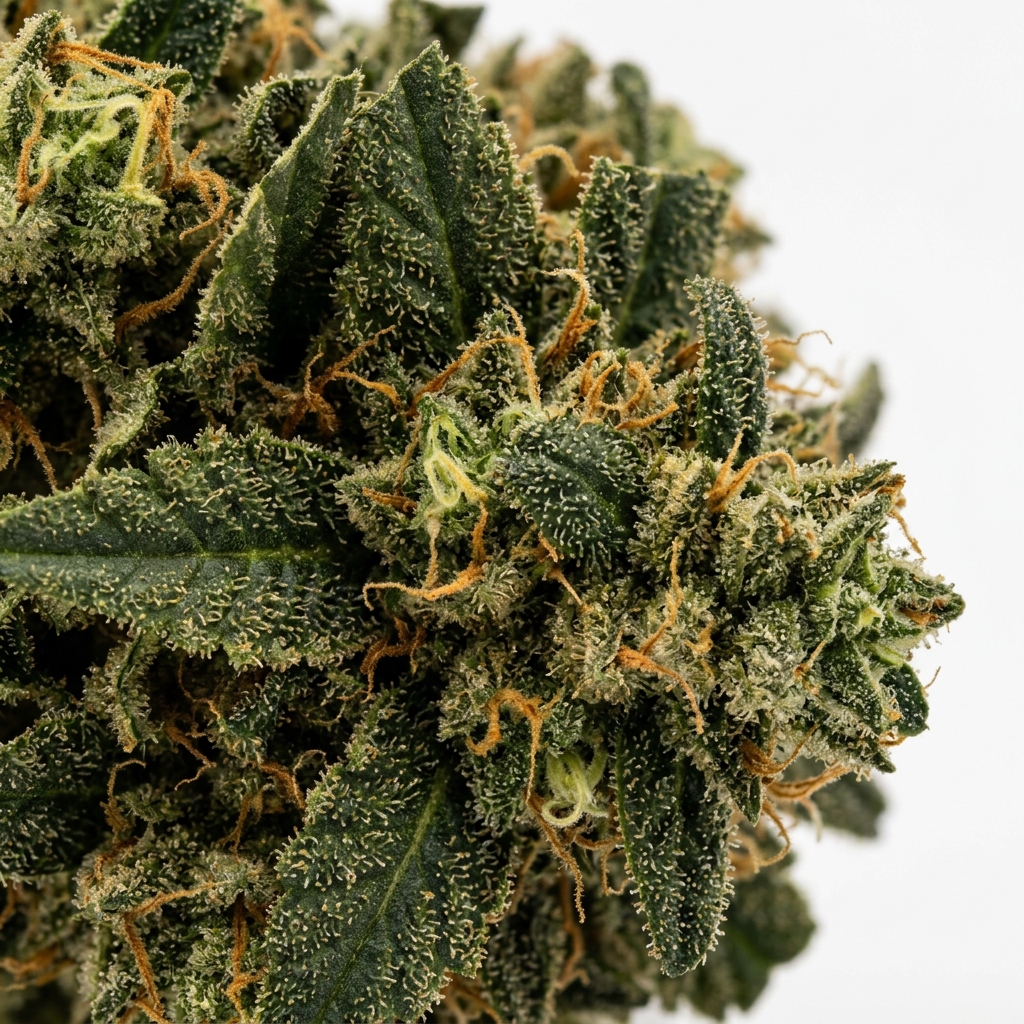
Tusi is a modern polyhybrid cannabis cultivar categorized predominantly as an indica-dominant hybrid. Like many contemporary elite selections circulating in the California craft flower space, Tusi is bred to express elevated secondary metabolite concentrations, particularly aromatic monoterpenes and sesquiterpenes that yield confectionary notes. Morphologically, the cultivar exhibits classic hybrid vigor, producing sturdy lateral branching capable of supporting dense terminal inflorescences. Glandular trichome density is pronounced across both bracts and sugar leaves, pointing toward strong selection for resin head development and volatile terpene retention.
Genetics & Lineage
The formal pedigree of Tusi has not been publicly released by its originators and remains classified as undisclosed proprietary genetics. In physical and organoleptic expressions, it shares significant phenotypic overlap with modern candy-forward polyhybrids such as Zkittlez, Gelato, and Runtz descendants. While cultivated and showcased in premium small-batch runs by California operators such as GOTTI, the primary ancestral cross lines remain subject to ongoing horticultural verification.
Breeder Background
While the primary commercialization and public review of Tusi flower have been spearheaded by boutique California cultivators including the GOTTI collective, specific breeder documentation designating the original crossing entity remains unconfirmed in open seed registries. GOTTI has established a reputation within the legal California market for curating potent, terpene-dense exotic selections, frequently focusing on proprietary dessert and candy-leaning varieties.
Botanical Characteristics
In vegetative growth, Tusi exhibits broad-fingered, deep green foliage and a compact to medium internodal spacing consistent with indica-dominant ancestry. As the plant transitions to generative bloom, it undergoes a manageable stretch of 100% to 150%, developing robust secondary branches. Stems demonstrate strong structural rigidity, though heavy budding near harvest typically benefits from trellis support. The cultivar demonstrates efficient nutrient uptake and strong resin gland proliferation beginning around the third to fourth week of flowering.
Flower Structure
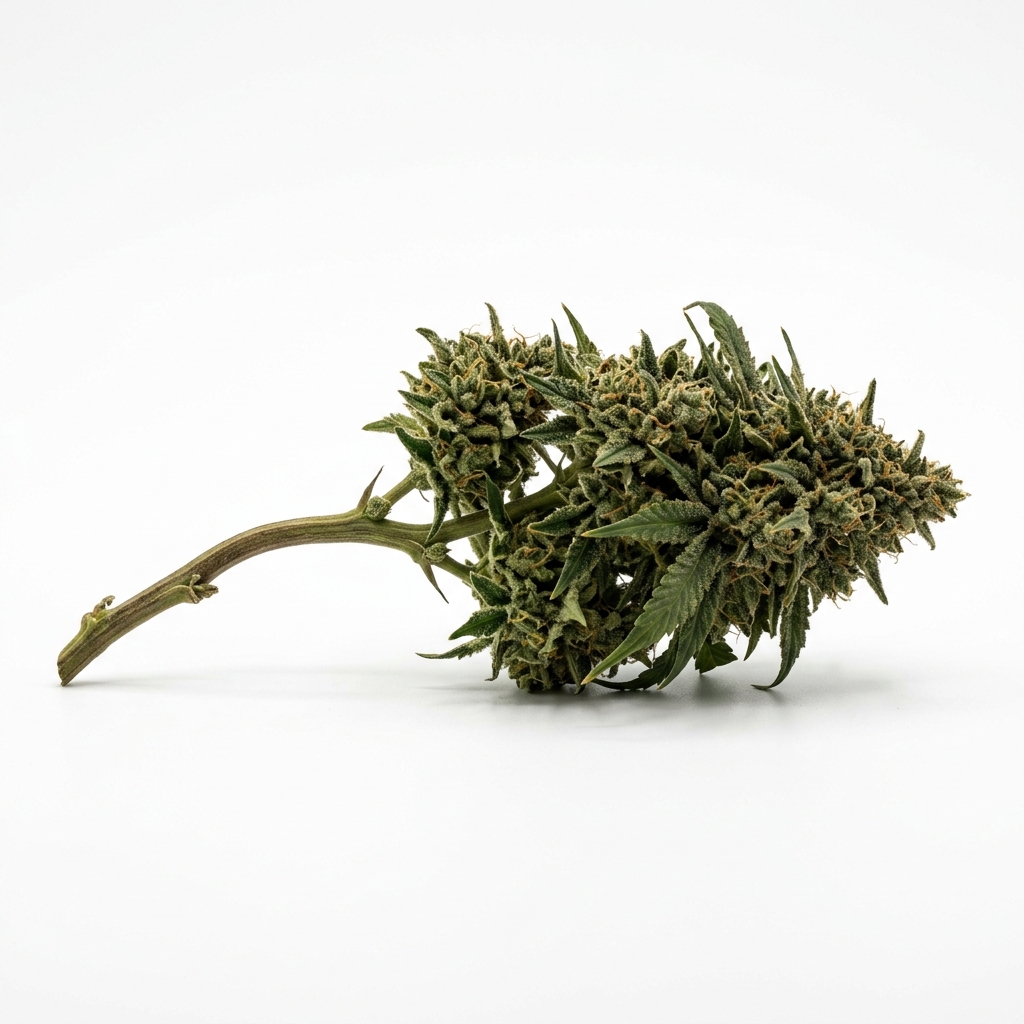
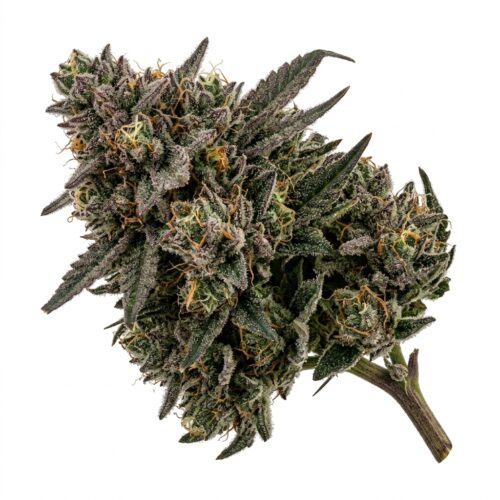
Mature Tusi inflorescences form dense, spade-shaped clusters of tightly overlapping calyxes. Bracts display vibrant tones of emerald and forest green, occasionally developing faint purple and pink undertones when night-cycle temperatures are dialed down during late maturation. The entire exterior is coated in a thick blanket of silver, resinous glandular trichomes, contrasted sharply by bright copper and coral pistils woven throughout the flower structure.
Aroma & Flavor Profile
The sensory signature of Tusi is its primary defining characteristic. Upon initial inspection, broken flowers release an intense burst of candied sweetness, often described as artificial fruit candy, strawberry milkshake, and velvety sweet cream. On combustion or vaporization, the palate experiences a thick, sugary candy flavor that persists across the palate, accompanied by smooth vanilla-cream undertones and a faint, grounding earthy finish.
Cultivation Overview
Tusi performs optimally in controlled indoor and greenhouse setups where temperature, relative humidity, and airflow can be strictly regulated. Cultivators report a typical indoor flowering duration of 8 to 9 weeks. Due to the exceptional density of its late-stage flowers, maintaining lower relative humidity (around 40% to 45%) in the final weeks of bloom is essential to mitigate mold and botrytis risks. Training techniques such as topping and Screen of Green (ScrOG) help maximize light penetration across the canopy.
Indoor Considerations
Indoors, Tusi responds well to standard organic soil or hydroponic feeding regimens with moderate electrical conductivity (EC) levels. Providing adequate vertical clearance and a double trellis system ensures even light distribution and canopy stabilization. Growers should maintain strong internal air circulation and carbon filtration, as the cultivar emits strong, pungent confectionary odors during mid-to-late flower.
Outdoor Considerations
When grown outdoors, Tusi prefers warm, semi-arid or Mediterranean climates with abundant sun exposure and minimal autumn rainfall. In the Northern Hemisphere, harvest typically falls between late September and early October. Plants should be positioned in well-draining soil mixes with adequate spacing to encourage air movement around the dense lower foliage.
Phenotype Variation
Phenotypes of Tusi generally show uniform resin production and candy-dominant aroma profiles, though subtle variation can occur in color expression and calyx-to-leaf ratio. Cooler nighttime temperatures often accentuate faint anthocyanin pigmentation (pinkish-purple tones) in select phenotypes, while terpene nuance can fluctuate slightly between rich creamy candy and brighter, fruit-forward expressions.
Frequently Asked Questions
What is the genetic lineage of Tusi?
The exact parentage of Tusi is proprietary and not confirmed in public registries, though its terpene profile closely resembles modern candy-and-cream polyhybrids like Zkittlez and Gelato.
What does Tusi smell and taste like?
Tusi features an intensely sweet aroma of artificial fruit candy, strawberry cream, and vanilla, finishing with a smooth, sweet, and slightly earthy flavor.
How long does Tusi take to flower?
Tusi typically completes its flowering cycle in approximately 8 to 9 weeks when grown indoors under a standard 12/12 photoperiod.
What are the canonical THC and CBD levels of Tusi?
The canonical mature-flower THC and CBD potentials for Tusi are Not confirmed due to the absence of publicly available, accredited third-party laboratory certificates of analysis.
Is Tusi suitable for beginner growers?
Tusi is considered moderately accessible, but its exceptionally dense flower structures require attentive climate and humidity control to prevent moisture-related issues during late bloom.
Decision supportCompare Similar Genetics
Characteristic
Tusi
Zkittlez
Genetic Lineage
Undisclosed proprietary hybrid
Grape Ape x Grapefruit
Primary Aroma Profile
Sweet candy, cream, and pink fruit notes
Sweet tropical fruit and sour berry candy
Reported Mature-Flower THC
Not confirmed
19% – 23%
Bud Density
Medium-dense to dense compact clusters
Medium density rounded clusters
Flowering Duration
8 – 9 weeks (commonly reported)
7 – 8 weeks
Comparison is informational and reflects reported cultivar-level data; phenotype and growing conditions can change results.
Ready to choose?
Enhance Your Collection with Tusi Genetics
Explore the distinct candy-cream complexity and outstanding resin potential of Tusi. Add these premier hybrid seeds to your genetic library today.
Cannabis seeds are sold strictly as collectible botanical souvenirs and genetic preservation items in accordance with applicable federal and regional laws. Germination and cultivation of cannabis seeds may be restricted or prohibited in certain jurisdictions. Cannabinoid potency values refer strictly to potential mature dried flowers and are subject to phenotypic, environmental, and analytical variability.
Additional information
Packs
5 Seeds, 10 Seeds, 25 Seeds
Reviews
There are no reviews yet.
Be the first to review “Tusi Cannabis Seeds” Cancel reply




Reviews
There are no reviews yet.