Truffle Skunk is a modern indica-dominant hybrid combining the rich, savory profile of Truffle heritage with the pungent, proven vigor of Skunk ancestry. Renowned among growers for dense calyx development and substantial resin coverage, mature flowers express an intricate bouquet of earthy musk, sharp fuel, cracked pepper, and subtle nutty undertones. With a flowering window typically spanning 8 to 9 weeks, this cultivar balances manageable indoor stature with generous production, making it an appealing option for cultivators seeking complex savory terpene profiles.
Truffle Skunk brings together the pungent reliability of heritage Skunk lines and the exotic, umami-laden resin density of modern Truffle selections. Designed for cultivators seeking dense floral structure, robust terpene output, and balanced hybrid vigor, it adapts readily to both indoor and controlled outdoor settings.
Distinctive combination of pungent skunk, rich damp earth, savory truffle funk, and cracked black pepper.
✓
Resin Production
Heavy glandular trichome coverage extending across dense calyx clusters and sugar leaves.
✓
Flowering Window
Typically finishes flowering within 56 to 65 days under standard indoor 12/12 photoperiod cycles.
✓
Morphology
Medium-height structure with sturdy lateral branches capable of supporting dense, heavy floral clusters.
AI Editorial Cultivar Score8.3/10
Very Good
Editorial assessment for comparison only; not a laboratory result or product guarantee.
Aroma Complexity8.8/10
Combines pungent heritage skunk notes with rich umami and chocolate-nut earthiness.
Resin Potential8.6/10
Inherits heavy glandular trichome coverage from its resinous Truffle parentage.
Visual Appeal8.4/10
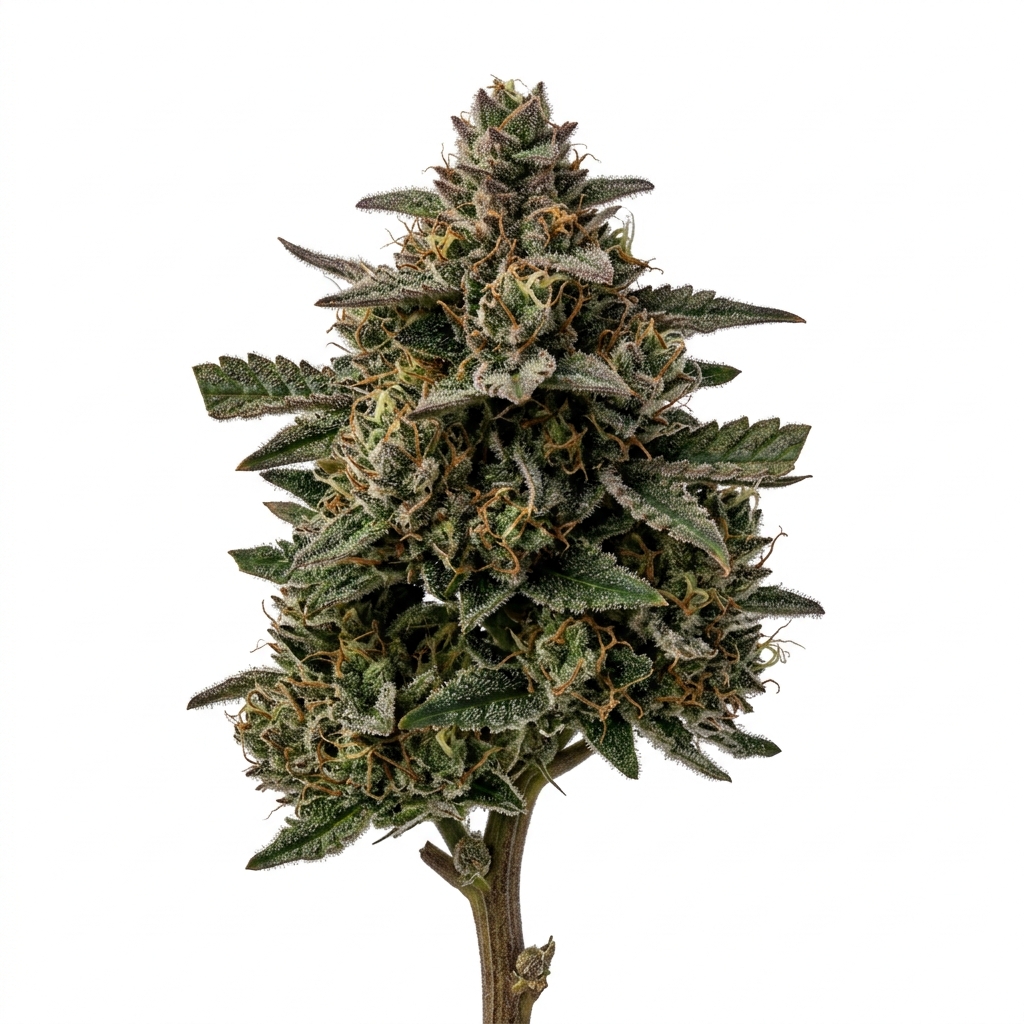
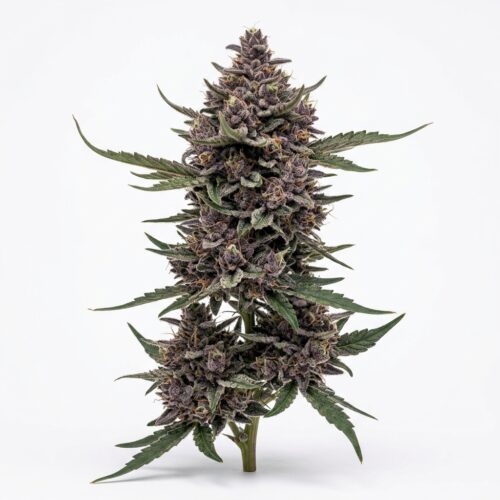
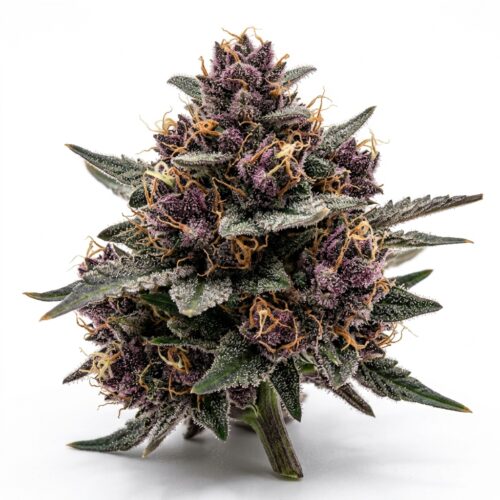
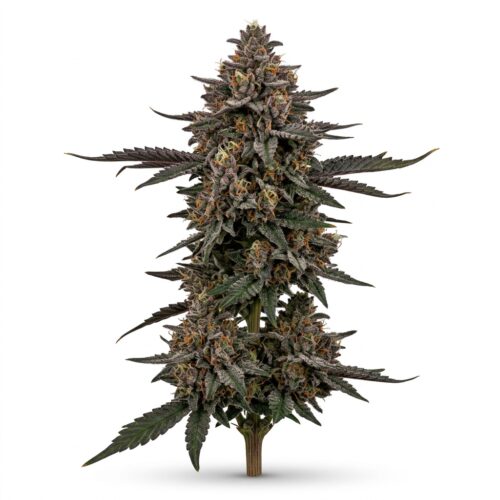
Produces dense, dark green to purple-tinged colas frosted with silver trichomes.
Cultivation Accessibility8.0/10
Maintains dependable hybrid vigor and manageable height, though requires humidity management.
Documentation Confidence7.7/10
Supported by commercial flower testing data, though multi-breeder lineage variants exist.
Reported flower potentialCannabinoid Overview
THCNot confirmedMature flowers; not seed contentCBDNot confirmedMature flowers; not seed content
Reported cannabinoid values can vary by phenotype, environment, harvest timing, and testing method.
Genetic relationshipLineage Diagram
White Truffle
Skunk #1
Truffle Skunk Cannabis Seeds
Reported aromatic compoundsTerpene Profile
Beta-Caryophyllene
Spicy, black pepper, warm wood
A dominant sesquiterpene that imparts deep spice and savory complexity to the cultivar's bouquet.
Beta-Myrcene
Earthy, musky, herbal
Contributes foundational earthy funk and reinforces the heavy skunky aroma of the mature flower.
Limonene
Subtle citrus, sour rind
Provides a sharp, bright contrast that cuts through the heavier savory and musky scent layers.
Humulene
Hoppy, woody, dry earth
Complements caryophyllene by adding dry herbal notes and grounding botanical depth.
Cultivation referenceGrow Information
HeightMedium (typically 100–140 cm indoors)Flowering8–9 weeks (commonly reported)ClimateTemperate to warm Mediterranean climates with managed humidityDifficultyModerateYieldMedium to heavy (commonly reported indoor yields of 450–550 g/m² under optimized conditions)StretchMedium (approx. 100% to 125% stretch post-transition)IndoorHighOutdoorModerate to high in warm, temperate, and low-humidity climatesGreenhouseHigh
Essential cultivar details
Quick Facts
Key genetics, cultivation, and reported characteristics at a glance.
GeneticsTruffle selection × Skunk lineage
Breeder / OriginMultiple breeders (including selections by AMA and related Skunk Truffles lines from Banana Peel Genetics)
Cultivar Typeindica-dominant hybrid
Seed TypeAvailable as Feminized, Autoflower & Regular
PhotoperiodPhotoperiod
Reported THC PotentialNot confirmed
Reported CBD PotentialNot confirmed
Flowering Time8–9 weeks (commonly reported)
Plant HeightMedium (typically 100–140 cm indoors)
StretchMedium (approx. 100% to 125% stretch post-transition)
DifficultyModerate
Yield CharacteristicsMedium to heavy (commonly reported indoor yields of 450–550 g/m² under optimized conditions)
Indoor SuitabilityHigh
Outdoor SuitabilityModerate to high in warm, temperate, and low-humidity climates
Greenhouse SuitabilityHigh
Climate PreferenceTemperate to warm Mediterranean climates with managed humidity
Research ConfidenceModerate (cultivar name used by multiple commercial growers and breeders; lab test ranges exist for dried whole flower, while specific parental lines vary slightly between seed producers)
Scientific Overview
Truffle Skunk is an indica-dominant polyhybrid developed to bridge the gap between classical late-20th-century Skunk foundations and 21st-century savory dessert selections. The secondary metabolite profile is dominated by a sesquiterpene-heavy matrix comprising beta-caryophyllene, beta-myrcene, limonene, and humulene. This chemical synergy produces an unusual sensory profile that departs from standard sweet-fruity profiles, emphasizing pungent thiol-adjacent aromas, earthy humic tones, and culinary spice.
Genetics & Lineage
The lineage of Truffle Skunk reflects intentional crossbreeding between modern Truffle cuts (such as the White Truffle selection of Gorilla Butter or Umami Truffles lines) and stabilized Skunk genetics (descended from the Skunk #1 family). Multiple breeders and commercial cultivators have explored this cross—including distinct sibling branches such as Banana Peel Genetics’ Skunk Truffles (White Truffle × Banana OG F3) and commercial selections propagated by producers like AMA. The combination reinforces vigor, reduces flowering latency relative to pure sativa ancestors, and introduces heavy trichome density derived from the Truffle line.
Breeder Background
Truffle Skunk represents an overarching cultivar category worked by several craft breeders and commercial production facilities across North America. Commercial producers such as AMA have maintained the cultivar in dialed-in indoor environments to showcase its high-resin phenotype, while artisanal breeders like Banana Peel Genetics have focused on stabilizing related crosses under the Skunk Truffles name. Because independent breeders have produced variations of this cross, individual seed stocks may display slight differences in vegetative vigor or subtle aromatic notes.
Botanical Characteristics
Botanically, Truffle Skunk exhibits classic hybrid growth traits with a slight indica bias. During the vegetative cycle, plants establish medium internodal spacing, strong apical dominance, and dark green, broad-bladed foliage. Lateral branches develop sufficient rigidity to support substantial bud mass, though staking or trellising is commonly utilized indoors to prevent lower branch bowing during weeks 6 through 9 of bloom. Foliage may exhibit anthocyanin accumulation when night-cycle temperatures drop below 18°C (64°F) during the final two weeks before harvest.
Flower Structure
The mature inflorescence of Truffle Skunk consists of compact, conical to tapered spear-shaped colas. Bracts are tightly clustered, resulting in high flower density with a favorable calyx-to-leaf ratio that facilitates post-harvest trimming. Under adequate light intensity, mature flowers develop an extensive coating of capitate-stalked glandular trichomes, giving the cured buds a frosted, silvery cast. Pistils are relatively fine, transitioning from pale cream during early bloom to a rich rust-orange and amber at physiological maturity.
Aroma & Flavor Profile
On the nose, Truffle Skunk presents an assertive olfactory profile that immediately opens with classic skunk pungency and sour fuel. Beneath the initial sharp top notes lies a deep, savory foundation characterized by damp forest floor, roasted nuts, umami, and faint cocoa nibs. When broken down, the bouquet intensifies with pungent cracked black pepper and subtle citrus zest. On inhalation, the flavor follows the aroma closely, providing a thick, savory smoke or vapor featuring skunky earth, dark wood, and a peppery culinary finish.
Cultivation Overview
Truffle Skunk is considered moderately accessible to cultivate, accommodating both novice and experienced growers. The cultivar demonstrates standard nutritional requirements, responding well to balanced nitrogen levels during vegetative growth followed by increased phosphorus and potassium availability during mid-to-late bloom. Plants generally double in size following the flip to a 12/12 photoperiod, requiring sensible canopy management techniques such as low-stress training (LST), topping, and selective defoliation to optimize light penetration to secondary bud sites.
Indoor Considerations
When cultivated indoors, Truffle Skunk thrives under standard environmental targets: daytime temperatures of 24–27°C (75–80°F) and nighttime temperatures of 19–22°C (66–72°F). Relative humidity should be managed carefully, transitioning from 60% in late vegetative growth to 45–50% during mid-bloom and 40–45% in late bloom to protect the dense flower clusters against botrytis and powdery mildew. Because the cultivar emits an exceptionally pungent odor throughout flowering, active carbon filtration is strongly recommended.
Outdoor Considerations
Outdoors, Truffle Skunk requires a warm, temperate, or Mediterranean climate with plenty of direct sunlight and moderate autumn rainfall. In the Northern Hemisphere, harvest typically falls between late September and mid-October. Growers in humid or wet fall climates must prioritize locations with consistent prevailing breezes or implement protective overhead greenhouse covers to safeguard dense colas from autumn moisture accumulation.
Phenotype Variation
Phenotypic variation within Truffle Skunk seed populations generally manifests in two primary expressions. The first leans heavily toward the Skunk ancestor, producing taller plants with slightly more elongation and an overwhelmingly sharp, sour-gas aroma. The second expression aligns closer to the Truffle parent, yielding stockier plants with tighter internodes, subtle purple foliage tendencies, and an intensely savory, earthy, and nutty terpene bouquet. Both phenotypes consistently exhibit dense trichome development.
Frequently Asked Questions
What is the genetic lineage of Truffle Skunk?
Truffle Skunk is an indica-dominant hybrid created by crossing modern savory Truffle genetics (such as White Truffle selections) with foundational Skunk lines.
How long does Truffle Skunk take to flower indoors?
Under standard 12/12 indoor photoperiod conditions, Truffle Skunk typically completes its flowering cycle within 8 to 9 weeks (56 to 65 days).
What are the dominant aromas and flavors of Truffle Skunk?
The cultivar is celebrated for an umami-rich profile combining pungent skunk, damp earth, savory truffle funk, black pepper, and faint roasted nut accents.
What is the reported mature flower potency of Truffle Skunk?
Not confirmed
Does Truffle Skunk produce purple buds?
While forest green is the dominant coloration, some phenotypes express plum or violet undertones along the outer bracts when exposed to cooler night temperatures late in flowering.
Is Truffle Skunk suitable for beginner growers?
Yes, Truffle Skunk possesses dependable hybrid vigor and manageable plant height, although careful humidity monitoring is essential due to its dense flower structure.
Comparison is informational and reflects reported cultivar-level data; phenotype and growing conditions can change results.
Ready to choose?
Add Savory Depth and Resin Density to Your Garden
Truffle Skunk offers a balanced marriage of classic botanical vigor and contemporary dessert-savory aromas. Review cultivation specifications, explore lineage attributes, and select your preferred seed formats to begin your next cycle.
White TruffleSkunk #1Gorilla ButterSuper SkunkBanana OG
Disclaimer
Cannabis seeds are sold strictly as adult collectible souvenirs and genetic preservation items in accordance with applicable laws. Germination and cultivation of cannabis seeds may be restricted or prohibited depending on regional and local regulations. Cannabinoid values refer exclusively to reported laboratory analyses of mature dried flowers and do not indicate seed content. Check all local laws prior to purchasing or handling seeds.
Additional information
Packs
5 Seeds, 10 Seeds, 25 Seeds
Reviews
There are no reviews yet.
Be the first to review “Truffle Skunk Cannabis Seeds” Cancel reply






Reviews
There are no reviews yet.