
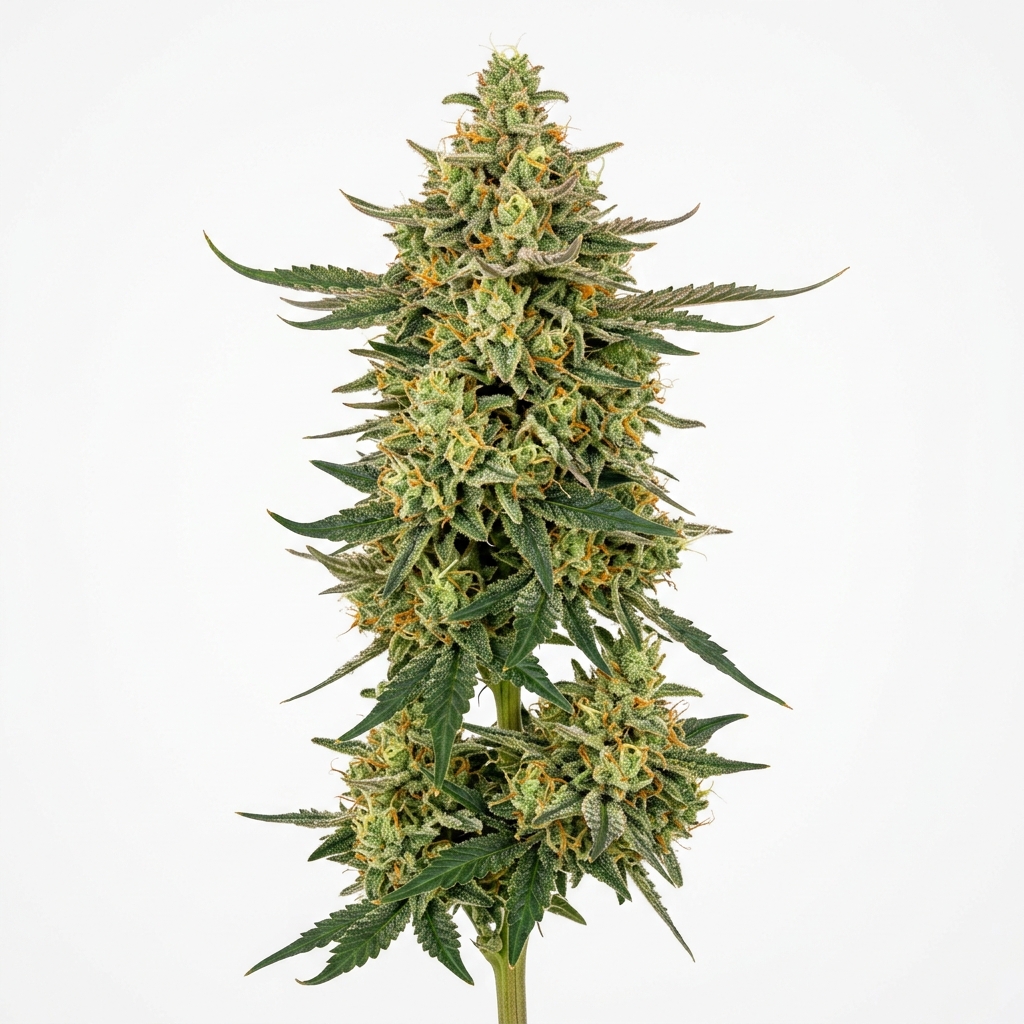
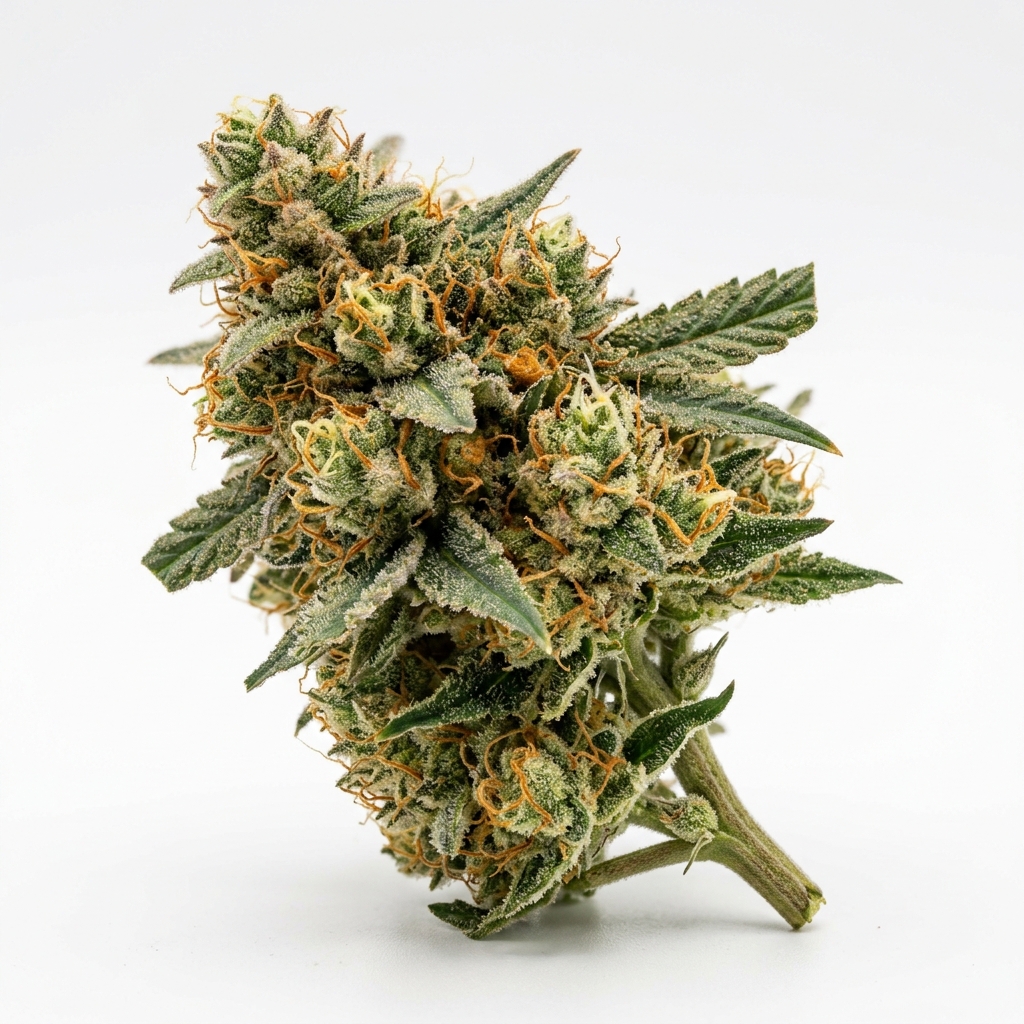
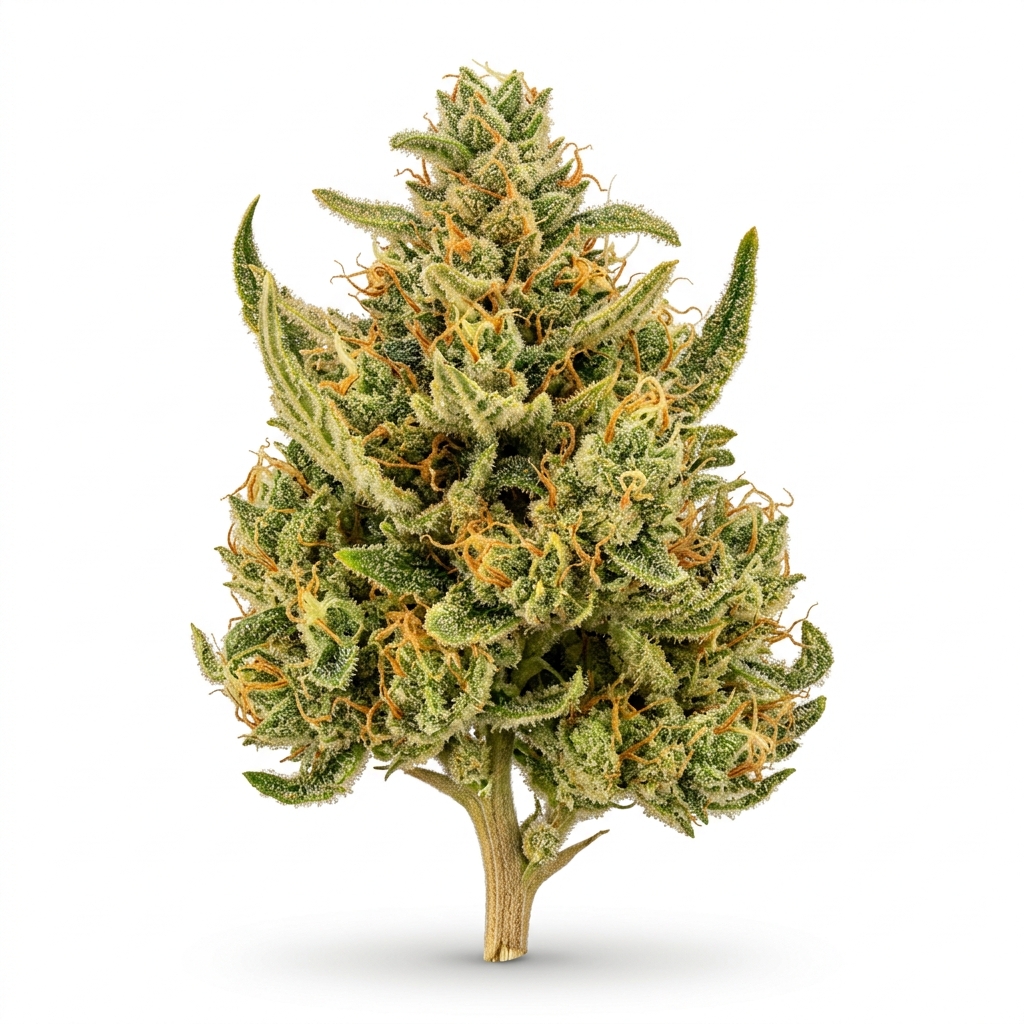
Toronja is a notable cultivar bred by Purple City Genetics as part of their exclusive El Krem collection. This hybrid is the result of crossing Face Melt (Grapefruit Chem x THC Bomb) with GovernMint Oasis. It is highly valued for its intense terpene profile, which features a complex blend of sour pink grapefruit candy, grape, and gaseous chemical notes. While typically categorized as an indica-dominant hybrid, some phenotypic selections show unique sativa-like traits with lanky, foxtailing buds. Toronja completes its flowering stage in eight to nine weeks, demonstrating excellent resin production and robust vigor. The mature flowers of this cultivar can achieve a reported THC potential between 15% and 30%, making it highly sought after for both high-grade flower and premium extraction.
Toronja Cannabis Seeds
Price range: $65.00 through $240.00
Description
AI Editorial Cultivar Score8.4/10
Exceptional Concentrate Producer
Editorial assessment for comparison only; not a laboratory result or product guarantee.
Aroma Complexity8.8/10
Features a pungent, multi-layered blend of sour pink grapefruit, heavy petrol, doughy pastry, and spicy herbal notes.
Resin Potential9.2/10
Bred for the El Krem collection, this strain produces high-quality trichomes and extreme resin yields ideal for solventless extractions.
Visual Appeal8.5/10
Dense, glittering, heavily frosted buds with some phenotypes expressing unique nostalgic foxtailing.
Cultivation Accessibility8.0/10
Robust structure, fast 8 to 9 week finish, and high natural resistance make it suitable for both novices and commercial facilities.
Documentation Confidence7.5/10
Good documentation from reputable seed banks and commercial growers, though minor retail naming variations exist.
Reported flower potentialCannabinoid Overview
Reported cannabinoid values can vary by phenotype, environment, harvest timing, and testing method.
Genetic relationshipLineage Diagram
Face Melt
GovernMint Oasis
Toronja Cannabis Seeds
Reported aromatic compoundsTerpene Profile
Myrcene
Earthy, musky, and herbal
The most common terpene found in cannabis, providing a deep herbal base and contributing to the physical relaxation qualities of the mature flower.
Caryophyllene
Spicy, peppery, and woody
Adds a sharp, black pepper bite to the flavor profile while assisting with overall physical comfort and soothing characteristics.
Limonene
Citrusy, bright, and sweet
Directly responsible for the pronounced sour pink grapefruit and mandarin notes, enhancing the mood-lifting and cerebral elements.
Humulene
Woody, earthy, and hoppy
Brings a subtle woody baseline that deepens the gassy, complex aroma and works in synergy with caryophyllene.
Cultivation referenceGrow Information
Essential cultivar details
Quick Facts
Key genetics, cultivation, and reported characteristics at a glance.
GeneticsFace Melt x GovernMint Oasis
Breeder / OriginPurple City Genetics
Cultivar Typeindica-dominant hybrid
Seed TypeAvailable as Feminized, Autoflower & Regular
PhotoperiodPhotoperiod
Reported THC Potential15% – 30%
Reported CBD PotentialUnder 1%
Flowering Time8-9 weeks
Plant HeightMedium to tall
StretchMedium to high
DifficultyEasy to Moderate
Yield CharacteristicsHigh indoors (500-600 g/m²), very high outdoors (+1000 g/plant under optimal conditions)
Indoor SuitabilityYes
Outdoor SuitabilityYes
Greenhouse SuitabilityYes
Climate PreferenceTemperate to warm, Mediterranean climates
Dominant TerpenesMyrcene, Caryophyllene, Limonene, Humulene
Research ConfidenceHigh
Scientific Overview
Toronja, developed by the Oakland-based Purple City Genetics as part of their selective El Krem line, is a modern hybrid engineered for elite terpene intensity and massive resin yields. Synthesizing the genetics of Face Melt (an intense hybrid of Grapefruit Chem and THC Bomb) and the powerful, chemical-forward GovernMint Oasis, this cultivar demonstrates high genetic stability and rapid metabolic throughput during flowering. Chemically, it exhibits a robust terpene profile dominated by myrcene, caryophyllene, and limonene, translating into up to 30% reported mature-flower THC potential. The plant is botanically robust, displaying high resistance to common pathogens and showing dual-utility for both premium flower sales and concentrate extraction, particularly solventless hash production.
Genetics & Lineage
The pedigree of Toronja is a masterful combination of gas, citrus, and pure potency. Its maternal parent is Face Melt, a cross between the pungent, high-yielding Grapefruit Chem and the robust, trichome-dense THC Bomb. Face Melt is celebrated for delivering structural integrity and complex tart notes. Purple City Genetics crossed this maternal parent with GovernMint Oasis, a highly potent indica-dominant strain renowned for its heavy gas, sharp mint notes, and high THC output. This genetic collision produces a high-stability cultivar that delivers exceptionally robust vegetative growth, high internodal spacing in some phenotypes, and dense, highly-viscous trichome development.
Breeder Background
Purple City Genetics (PCG), established in 2008 in Oakland, California, is an award-winning breeding collective renowned for high-performance, pesticide-free, and disease-resistant cannabis genetics. Famous for specialized genetic selections and curated boutique drops, PCG created the ‘El Krem’ collection specifically to isolate and celebrate cultivars that exhibit superior trichome structure for solventless extractions. Their collaborative work with brands like Pure Beauty highlights a commitment to genetic diversity, frequently reintroducing classic sativa-leaning physical expressions alongside heavy modern hybrids.
Botanical Characteristics
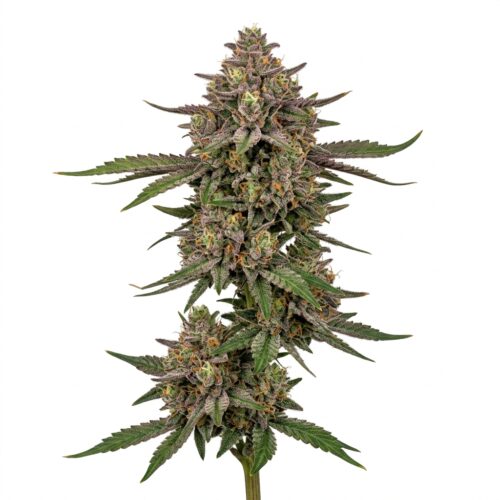
Toronja displays a highly vigorous growth rate, adapting easily to both vegetative and flowering photoperiod shifts. While generally cataloged as an indica-dominant hybrid, the cultivar showcases remarkable phenotypic variation. Some phenotypes express a traditional indica architecture with dense, multi-topped canopies, while others—particularly those selected for indoor cultivation in boutique collaborations—express a lanky, sativa-leaning morphology. These plants exhibit robust lateral branching and a high tolerance for standard training techniques like topping or low-stress training (LST). Fan leaves typically present a deep forest green color with a moderate serration pattern.
Flower Structure
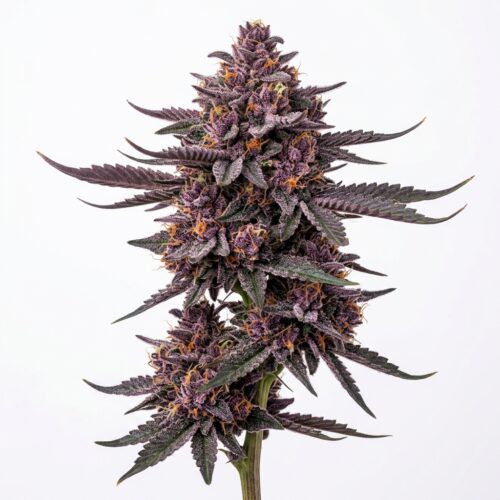
The physical flowers of Toronja are a visual showcase of modern breeding. They are highly dense and characterized by an extreme coating of sticky, resinous trichomes that cause the buds to stick together easily upon handling. Bud shapes vary from compact, chunky conical structures to elongated, lanky fingers with prominent foxtailing—often described nostalgically as ‘alien antennas.’ Under optimal conditions, the light green buds are heavily contrasted by vibrant, curly bright orange pistils. The overall flower surface is completely blanketed in a thick layer of frosty, amber-to-golden trichome heads.
Aroma & Flavor Profile
True to its Spanish name meaning ‘grapefruit,’ Toronja features a loud, multi-layered olfactory profile. The initial impression is dominated by a sharp, sour pink grapefruit candy aroma intertwined with pungent, fuel-like chemical gas. Underneath this initial wave lies a deep sweetness reminiscent of dark grapes, along with complex undertones of savory pastry dough and spicy black pepper. When vaporized or combusted, the flavor is thick and expansive, mirroring the nose with a dominant bitter citrus rind entry, followed by a heavy, fuel-soaked chem finish that lingers on the palate.
Cultivation Overview
Toronja is widely regarded as a resilient and user-friendly cultivar, making it accessible to growers of varying experience levels. It adapts exceptionally well to a broad spectrum of cultivation setups, including soil, coco coir, and hydroponics. Thanks to its sturdy branch structure, the plant can support high bud weight, though supportive trellising is highly recommended during the flowering phase. Due to its pedigree, the plant maintains strong defense mechanisms against powdery mildew and common pests. However, because of the extreme density and resin output of its flowers, relative humidity must be carefully monitored during late flower to prevent botrytis.
Indoor Considerations
When cultivated indoors, Toronja requires a flowering time of approximately 8 to 9 weeks (56 to 63 days). Because of its vigorous stretch—especially in sativa-dominant phenotypes—growers should plan for adequate vertical clearance or employ early training methods like Screen of Green (ScrOG). Average indoor yields are quite strong, consistently landing between 500 and 600 g/m² of highly-marketable, extraction-ready flower. Maintaining a relative humidity (RH) of 40-50% during the final weeks of bloom is critical to accommodate the thick, resinous bud formations.
Outdoor Considerations
Outdoors, Toronja is a high-yielding powerhouse that thrives best in temperate, dry, Mediterranean-style climates with ample sunlight. It is typically ready for harvest by early October in the Northern Hemisphere. Under optimal conditions, the plant can yield upwards of 1000 grams per plant of sun-grown flower. Due to its large physical footprint and vigorous canopy development, outdoor cultivators should ensure ample spacing between plants to maximize airflow and prevent moisture buildup within the dense flowers during autumn dew cycles.
Phenotype Variation
There is a notable and celebrated phenotypic split within Toronja populations. While many seed bank listings describe a highly uniform, indica-dominant hybrid with heavy body relaxation and dense, compact buds, commercial selections (such as the licensed Pure Beauty and POET selections) have revealed lanky, tall, sativa-leaning expressions. These sativa-type phenotypes produce beautiful, lanky foxtails reminiscent of old-school Northern Lights. Cultivators should be prepared to identify and select their preferred phenotype during the vegetative stage depending on whether they prioritize vertical space efficiency (indica-type) or unique bag appeal and uplifted cerebral effects (sativa-type).
Frequently Asked Questions
What is the genetic lineage of Toronja?
Toronja is a high-stability hybrid created by crossing Face Melt (Grapefruit Chem x THC Bomb) with GovernMint Oasis, bred by Purple City Genetics.
How long does it take for Toronja to flower?
When grown indoors under a standard 12/12 photoperiod, Toronja typically completes its flowering stage in 8 to 9 weeks (56 to 63 days).
Is Toronja suitable for concentrate extraction?
Yes. Released under Purple City Genetics’ El Krem collection, Toronja was specifically bred for extreme resin and trichome production, making it an exceptional candidate for solventless hash and other extractions.
What does Toronja taste and smell like?
Toronja features an intense, loud profile of sour pink grapefruit and heavy gassy fuel, rounded out with sweet grape, pastry dough, and peppery chem undertones.
What are the growth habits of Toronja?
Toronja is a highly vigorous and resistant plant. It displays a notable phenotypic split, ranging from compact, sturdy indica shapes to tall, lanky sativa-leaning structures with foxtailed buds.
Disclaimer
Cultivation of cannabis seeds is subject to varying regional laws and regulations. All cultivation information is provided for educational and scientific purposes only. Actual cultivation performance, cannabinoid potential, and terpene expression may vary significantly based on environmental factors, grower experience, and localized cultivation techniques.
Additional information
| Packs | 5 Seeds, 10 Seeds, 25 Seeds |
|---|





Reviews
There are no reviews yet.