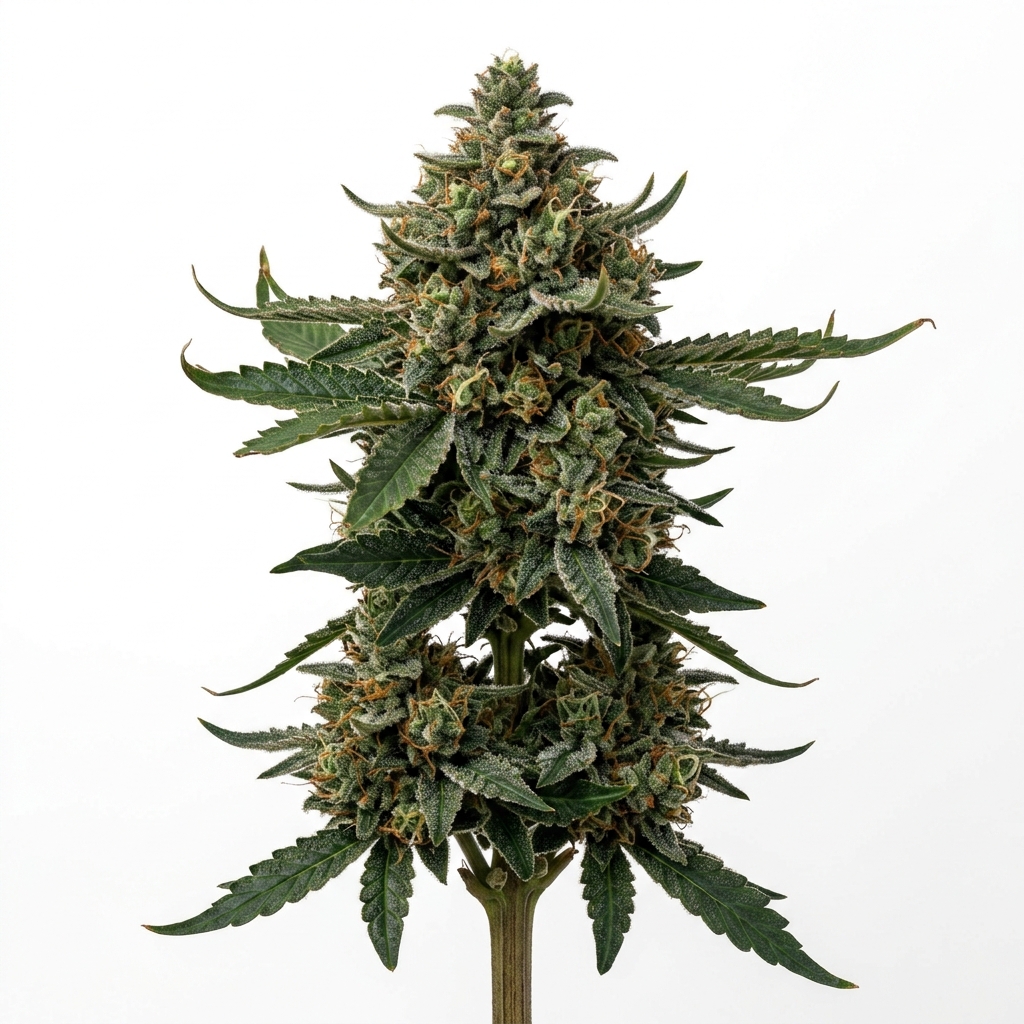
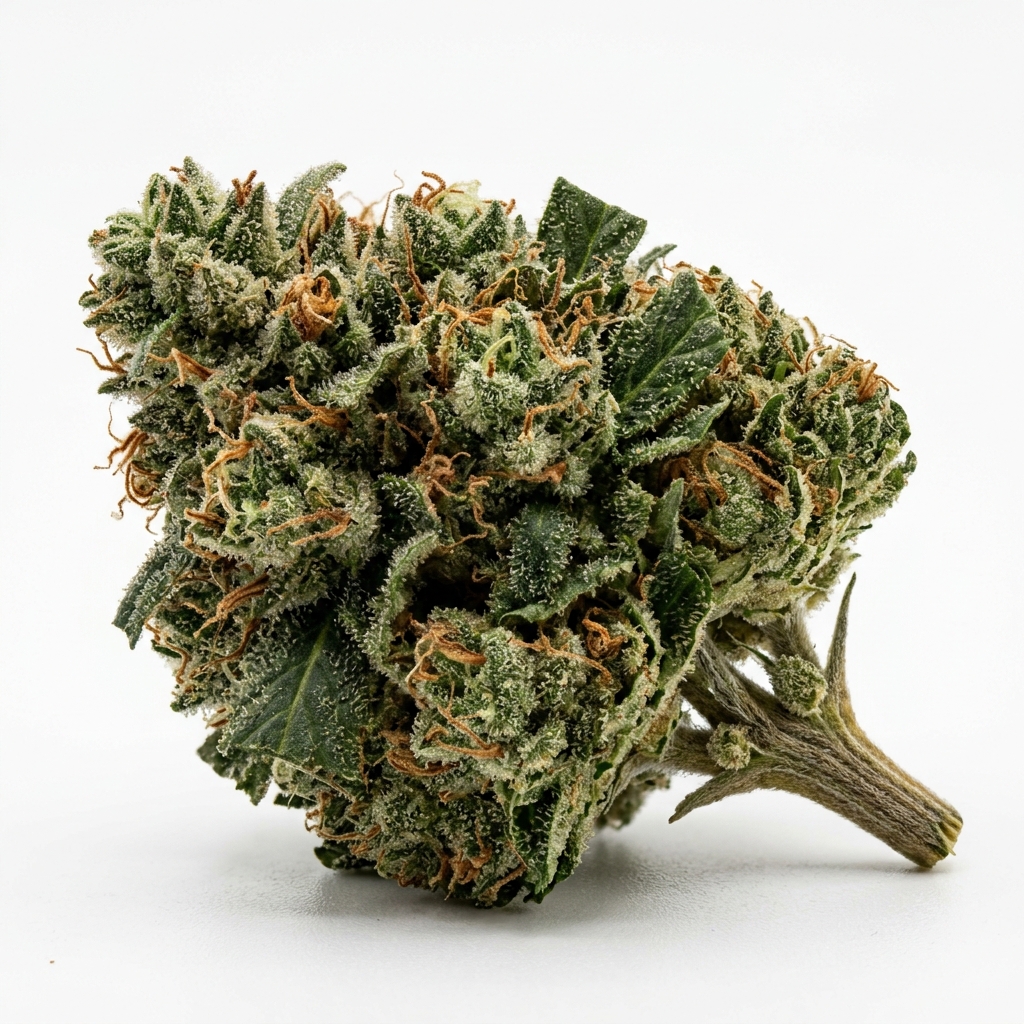
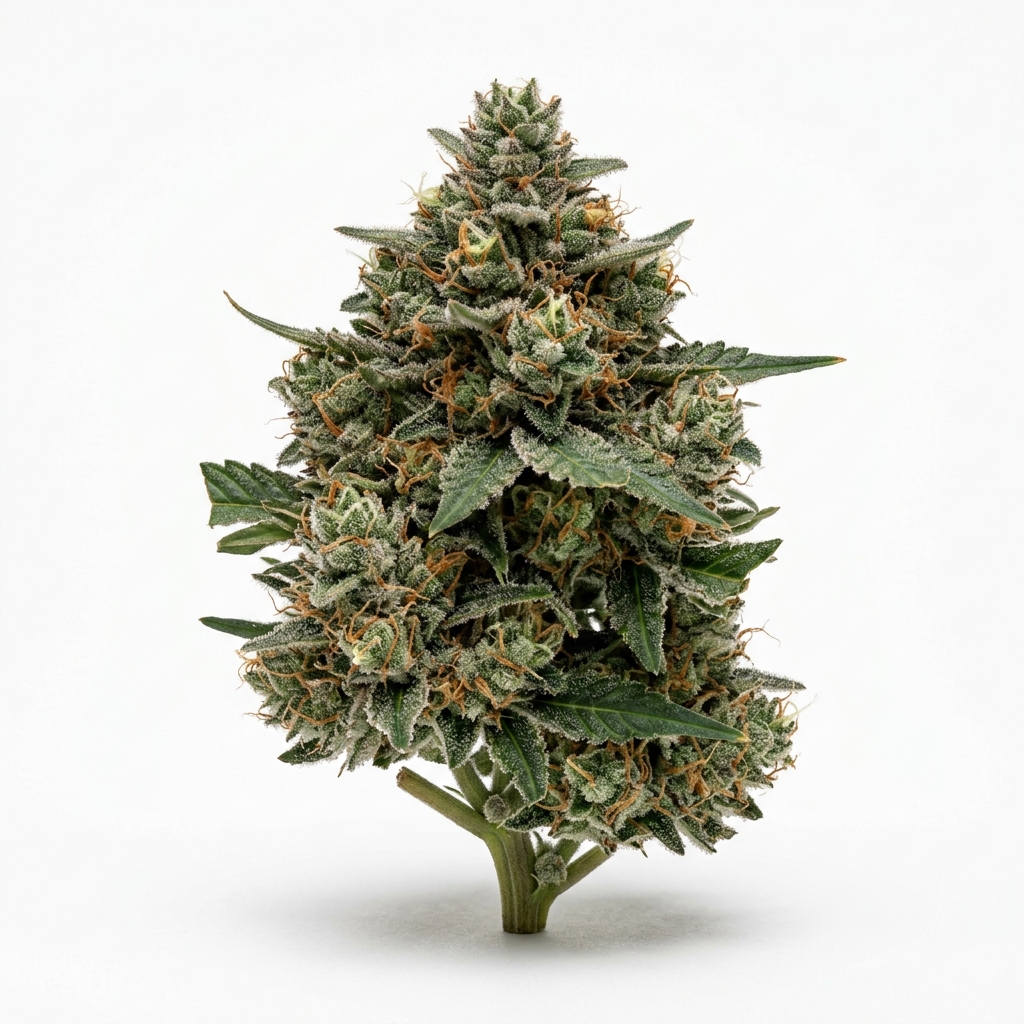
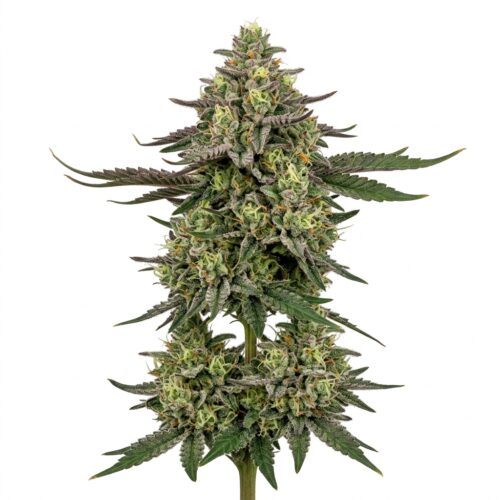
Sensei is an indica-dominant hybrid celebrated for its dense floral structure, exceptional trichome development, and pungent botanical profile. Rooted in storied Afghani and broadleaf indica heritage, the cultivar exhibits compact branching, deep forest green foliage, and vibrant copper pistils. In mature dried flower, Sensei commonly demonstrates reported THC levels between 18% and 22%, accompanied by a terpene profile rich in myrcene, beta-caryophyllene, and limonene. Its aroma balances damp earth and spicy wood with hints of sharp citrus and pine. Adaptable to both indoor and outdoor cultivation environments, Sensei delivers dependable vigor and uniform morphology, making it an enduring choice for breeders, cultivators, and genetic preservationists alike.
THCNot confirmed
CBDNot confirmed
Reported mature-flower potential, not seed content. Results can vary by phenotype, environment and testing method.
A resin-heavy indica cultivar prized for its dense structure and pungent herbal profile.
Sensei represents an authentic broadleaf hybrid lineage celebrated for heavy resin encapsulation, compact internodal spacing, and robust pest resilience. Well suited for indoor microclimates and controlled greenhouses, it delivers uniform canopies and a classic earthy, pine-forward aromatic profile.
Grows with a stout, compact framework and sturdy lateral branches capable of supporting dense terminal colas [1.1.3].
✓
Copious Resin Density
Exhibits heavy glandular trichome coverage across bracts and sugar leaves, ideal for solventless extraction.
✓
Moderate Flowering Window
Completes its photoperiod flowering cycle reliably within 56 to 63 days under standard 12/12 indoor lighting.
✓
Pungent Terpene Signature
Dominant in myrcene, beta-caryophyllene, and limonene, producing notes of damp earth, spicy pepper, and sharp pine.
AI Editorial Cultivar Score8.7/10
AI Cultivar Score
Editorial assessment for comparison only; not a laboratory result or product guarantee.
Genetic Stability8.6/10
Demonstrates consistent morphology and Afghanica traits across generations.
Resin Potential9.2/10
Exhibits dense, capitate-stalked glandular trichome coverage across bracts and outer sugar leaves.
Visual Appeal8.8/10
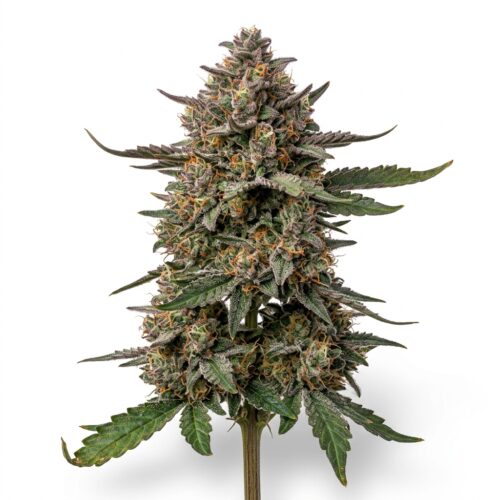
Produces tight, dark olive calyxes frosted in white crystal with vivid amber-copper pistils.
Cultivation Accessibility8.5/10
Stout growth habit and moderate nutritional demands make canopy management straightforward for intermediate growers.
Documentation Confidence8.4/10
Genetics and analytical data are well-documented across international seed registries and retail lab panels.
Reported flower potentialCannabinoid Overview
THCNot confirmedMature flowers; not seed contentCBDNot confirmedMature flowers; not seed content
Reported cannabinoid values can vary by phenotype, environment, harvest timing, and testing method.
Genetic relationshipLineage Diagram
Afghani Landrace
Undisclosed Broadleaf Indica Hybrid
Sensei Cannabis Seeds
Reported aromatic compoundsTerpene Profile
Myrcene
Earthy, musky, herbal, and damp soil
The primary dominant monoterpene in Sensei, imparting a deep, foundational earthy aroma characteristic of classic indica cultivars.
Beta-Caryophyllene
Spicy, cracked black pepper, and warm wood
A dietary sesquiterpene that adds a sharp, pungent bite to the bouquet and uniquely interacts with peripheral cannabinoid receptors.
Limonene
Sharp citrus, lemon zest, and sweet rind
Contributes bright top notes that cut through the heavier base of musky and pine aromatics.
Pinene
Fresh evergreen needles and crisp resin
Provides refreshing, sharp forest notes that enhance overall olfactory complexity during the late flowering stage.
Cultivation referenceGrow Information
HeightShort to Medium (80–130 cm indoors)Flowering8 to 9 weeks (56–63 days)ClimateTemperate, Mediterranean, or dry continental climates with controlled relative humidityDifficultyModerateYieldModerate to High; typically 350–450 g/m² indoors and 400–500 g/plant outdoors under optimal conditionsStretchLow to Moderate (approx. 50–75% stretch during transition)IndoorHighOutdoorModerate to High (prefers temperate to warm, low-humidity climates)GreenhouseHigh
Essential cultivar details
Quick Facts
Key genetics, cultivation, and reported characteristics at a glance.
GeneticsAfghani landrace selection x undisclosed broadleaf hybrid
Breeder / OriginLegacy European & North American Breeders (Commonly associated with Sensi Star / Paradise Seeds & Master Sensei lines)
Cultivar Typeindica-dominant hybrid
Seed TypeAvailable as Feminized, Autoflower & Regular
PhotoperiodPhotoperiod (also available in autoflowering formats)
Reported THC PotentialNot confirmed
Reported CBD PotentialNot confirmed
Flowering Time8 to 9 weeks (56–63 days)
Plant HeightShort to Medium (80–130 cm indoors)
StretchLow to Moderate (approx. 50–75% stretch during transition)
DifficultyModerate
Yield CharacteristicsModerate to High; typically 350–450 g/m² indoors and 400–500 g/plant outdoors under optimal conditions
Indoor SuitabilityHigh
Outdoor SuitabilityModerate to High (prefers temperate to warm, low-humidity climates)
Greenhouse SuitabilityHigh
Climate PreferenceTemperate, Mediterranean, or dry continental climates with controlled relative humidity
Sensei is an indica-dominant chemotype characterized botanically by its broad-bladed foliage, compact internodal spacing, and significant secondary metabolite production. The cultivar exhibits robust genetic stabilization rooted in classic Hindu Kush and Afghan landrace lines. The secondary cannabinoid fractions consistently show minor quantities of CBG and CBC, while CBD typically registers below 1.0%. Terpenoid profiling demonstrates a synergistic matrix led by myrcene, beta-caryophyllene, and limonene, creating an aromatic and physiological signature typical of heritage broadleaf cannabis varieties.
Genetics & Lineage
The genetic foundation of Sensei traces back to the foundational Dutch and North American breeding efforts of the 1990s, where traditional Afghanica landraces were refined for indoor efficiency and resin density. Frequently cited under synonymous or related labels such as Sensei/Sensi Star, the lineage combines pure Afghani broadleaf specimens with an undisclosed hybrid partner known for enhancing floral density and calyx-to-leaf ratios. This lineage has served as the genetic donor for prominent multi-award-winning cultivars, including Death Star (Sensei Star x Sour Diesel) and Rockstar (Sensei Star x Rockbud).
Breeder Background
The broader Sensei genetic family stems from seminal European seed companies—most notably Paradise Seeds and the foundational legacy surrounding Ben Dronkers’ Sensi seedbank—alongside contemporary North American craft breeding projects like Master Sensei Genetics. These breeding programs prioritized botanical stability, vigor, and resin encapsulation, producing seed lines that have maintained commercial and connoisseur relevance across multiple decades.
Botanical Characteristics
In vegetative development, Sensei displays classic Afghanica vegetative morphology: thick, fibrous stalks, short internodes, and dark green fan leaves with broad, overlapping leaflets. As the plant transitions to generative flowering, stretch remains restrained, typically expanding between 50% and 75% of pre-flower height. The root system establishes quickly, demonstrating efficient nutrient uptake and strong resilience against minor root-zone temperature fluctuations.
Flower Structure
Sensei produces heavy, tightly packed floral clusters along main and lateral stems. The buds develop as dense, rounded, conical structures with swollen bracts that show minimal leaf protrusion, facilitating post-harvest manicuring. Towards maturation, the calyxes become enveloped in a thick layer of capitate-stalked glandular trichomes, which give the dried flower a silvery-white frosty finish punctuated by dark amber pistils.
Aroma & Flavor Profile
Upon curing, Sensei emits a deep, pungent bouquet defined by wet earth, damp forest floor, and aged cedar, framed by sharp undertones of lemon-lime citrus and fresh pine. When combusted or vaporized, the flavor delivers an initial burst of hashy spice and earthy pine, finishing with a lingering, slightly sweet herbal and citrus note on the palate.
Cultivation Overview
Sensei is regarded as an accessible to intermediate cultivar to grow, responding favorably to standard organic living soil matrices as well as closed-loop hydroponic systems. Its dense floral habit necessitates careful climate regulation, specifically maintaining relative humidity below 50% during the mid-to-late flowering phase to avoid fungal pathogens like Botrytis cinerea.
Indoor Considerations
Indoor growers often employ Sea of Green (SOG) or low-stress training (LST) to maximize the cultivar’s compact structure and promote even canopy illumination. Moderate defoliation around week three of flowering helps improve airflow through dense interior foliage. Sensei performs best under photosynthetic photon flux densities (PPFD) between 700 and 1,000 µmol/m²/s, finishing its flowering cycle in approximately 56 to 63 days.
Outdoor Considerations
When grown outdoors, Sensei requires a sunny, temperate environment with dry late-season conditions. Plants generally reach maturity by early to mid-October in the Northern Hemisphere. Because the colas become exceptionally dense, providing overhead shelter against late-autumn rains is recommended to safeguard bud integrity.
Phenotype Variation
Phenotypes generally exhibit high uniformity in stature and flowering duration, with minor variations occurring in aromatic intensity and leaf pigmentation. A citrus-dominant phenotype exhibits slightly more stretch and brighter green foliage, while the classic earthy-hash phenotype remains ultra-compact with deeper forest green coloration and heavy calyx swelling.
Frequently Asked Questions
What is the genetic origin of Sensei?
Sensei is an indica-dominant hybrid primarily descended from classic Afghani landrace genetics crossed with selected broadleaf hybrid lines developed in Europe and North America.
How long does Sensei take to flower?
Under standard indoor 12/12 photoperiod lighting, Sensei typically finishes flowering in 8 to 9 weeks (56 to 63 days).
What are the reported THC levels in Sensei flower?
Not confirmed
Is Sensei suitable for beginner growers?
Yes, Sensei is relatively hardy and forgiving, though its dense bud structure requires growers to monitor indoor humidity carefully to prevent mold.
What terpenes are most prominent in Sensei?
Sensei is typically dominated by myrcene, beta-caryophyllene, limonene, and pinene, resulting in an earthy, piney, and spicy citrus aroma.
Decision supportCompare Similar Genetics
Characteristic
Sensei
Northern Lights
Genetics & Lineage
Indica-dominant hybrid (Afghani x undisclosed hybrid)
Indica-dominant hybrid (Afghani x Thai landrace)
Flowering Duration
8 to 9 weeks (56–63 days)
7 to 8 weeks (45–55 days)
Reported Mature Flower THC
18% – 22%
16% – 21%
Aromatic Expression
Pungent earth, lemon-citrus, pine, and cracked pepper
Sweet pine, spicy earth, and subtle musk
Plant Morphology
Short to medium height with dense, compact floral clusters
Compact, columnar growth with a prominent central cola
Comparison is informational and reflects reported cultivar-level data; phenotype and growing conditions can change results.
Ready to choose?
Integrate Proven Broadleaf Indica Genetics
Whether you are expanding a genetic library or seeking a reliable photoperiod cultivar with exceptional resin production and manageable stature, Sensei offers time-tested botanical stability. Explore verified lineage data and source seeds tailored for your cultivation goals.
Cannabis cultivation laws vary widely by jurisdiction. Germination of cannabis seeds may be restricted or prohibited in certain countries, states, or municipalities. All technical, botanical, and cultivation data are provided strictly for educational, scientific, and genetic preservation purposes. Cannabinoid percentages represent reported laboratory findings from mature dried flowers and do not describe seed composition.
Additional information
Packs
5 Seeds, 10 Seeds, 25 Seeds
Reviews
There are no reviews yet.
Be the first to review “Sensei Cannabis Seeds” Cancel reply






Reviews
There are no reviews yet.