
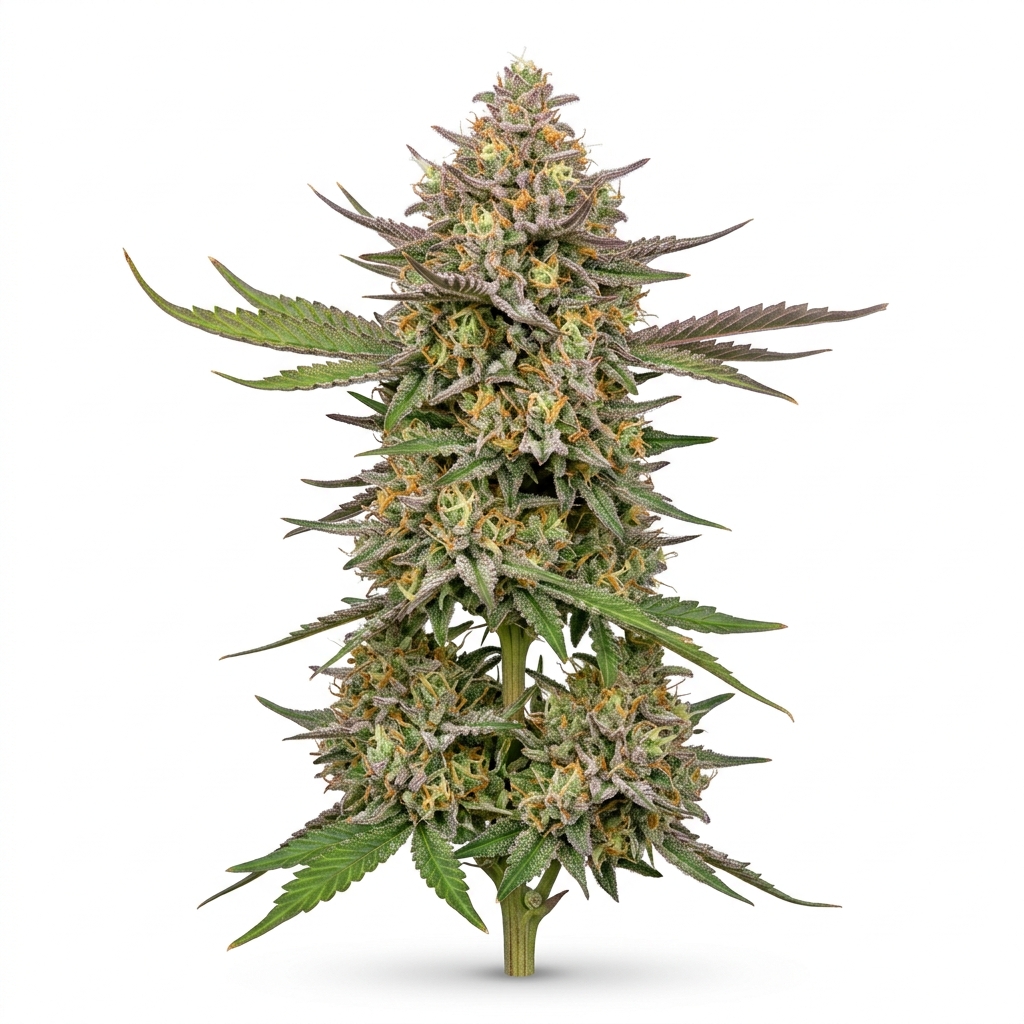
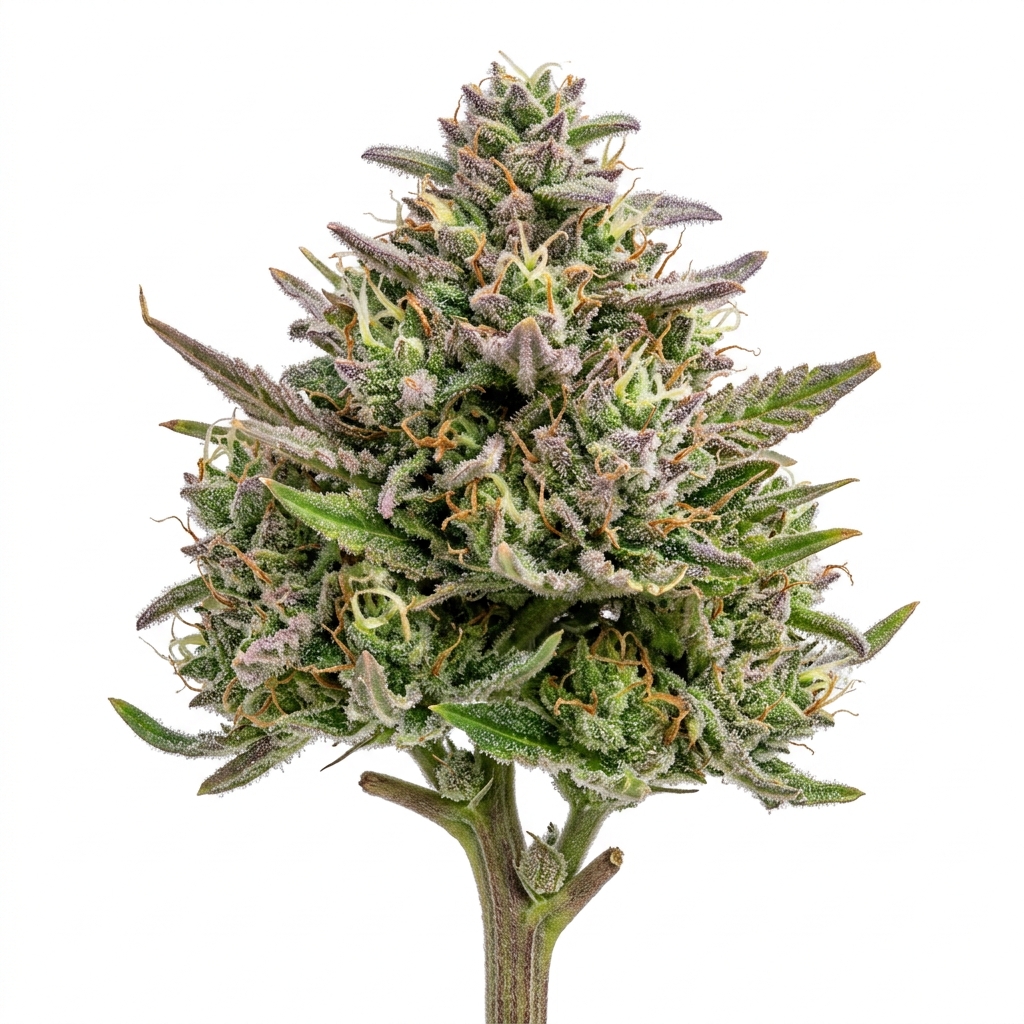
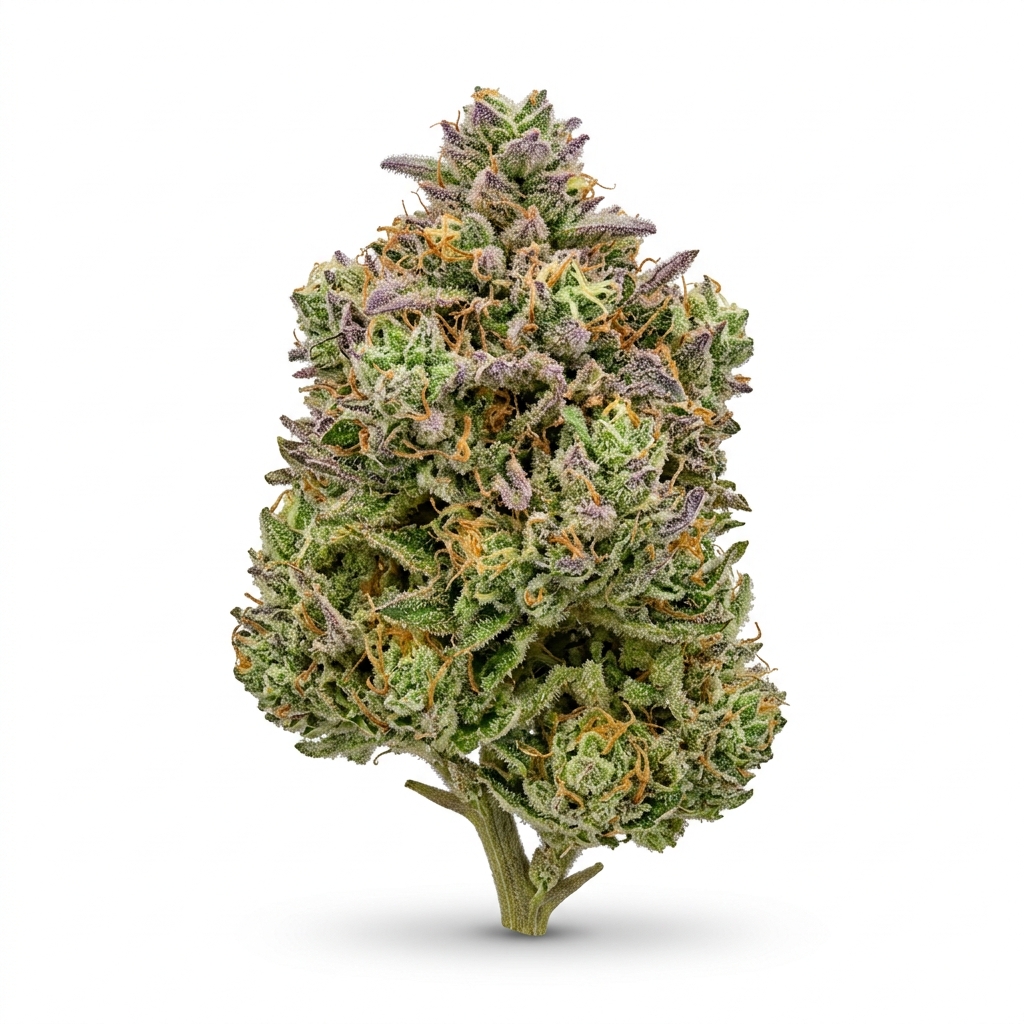
Harle-Tsu is an award-winning, CBD-dominant hybrid developed by the Southern Humboldt Seed Collective. Tracing its lineage back to a direct cross of Harlequin and Sour Tsunami, this cultivar has earned acclaim for producing mature flowers with an exceptionally high CBD-to-THC ratio, often testing around 20:1 with CBD levels reaching 18% to 22% and THC remaining under 1%. The plants express a sweet, earthy, and pine-scented terpene profile rich in myrcene, pinene, and terpinolene. Cultivators can expect moderate to tall plants that perform well in indoor, outdoor, and greenhouse environments over an 8 to 10-week flowering cycle. Due to its dense growth habits, maintaining moderate humidity is key to successful harvests. Performance will vary depending on setup and specific phenotype selection.
Harle-Tsu Cannabis Seeds
Price range: $65.00 through $240.00
Description
AI Editorial Cultivar Score8.2/10
Highly Documented CBD Classic
Editorial assessment for comparison only; not a laboratory result or product guarantee.
Aroma complexity7.0/10
Offers an appealing, subtle profile of sweet pine, earth, and soft citrus.
Resin potential6.0/10
Produces a dusty layer of trichomes, though bred primarily for cannabinoid output over extreme stickiness.
Visual appeal7.5/10
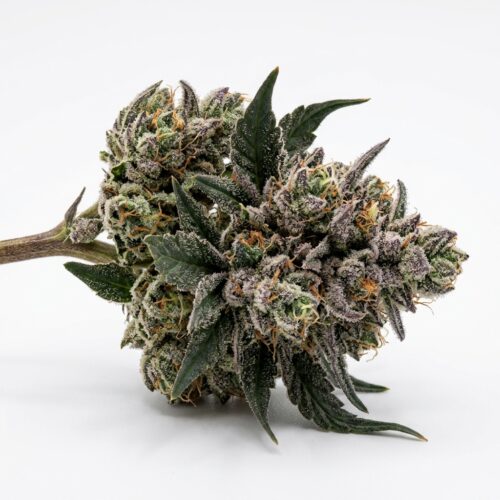
Exhibits rich green buds with amber-orange pistils and occasional purple or lavender flashes in cool conditions.
Cultivation accessibility7.0/10
Moderately accessible but requires vigilance with humidity levels due to dense vegetative structure.
Documentation confidence9.0/10
Highly verified lineage and award-winning history at the 2014 Emerald Cup.
Reported flower potentialCannabinoid Overview
Reported cannabinoid values can vary by phenotype, environment, harvest timing, and testing method.
Genetic relationshipLineage Diagram
Harlequin
Harle-Tsu Cannabis Seeds
Reported aromatic compoundsTerpene Profile
Myrcene
Earthy, musky, herbal
The most abundant terpene in Harle-Tsu, contributing to its calming herbal baseline and earthy aroma.
Pinene
Sharp pine, fresh forest
Provides a sweet, refreshing pine element that helps maintain mental focus and clarity.
Terpinolene
Woody, floral, citrusy
Adds an uplifting, complex aromatic layer with hints of herbal freshness and subtle spice.
Cultivation referenceGrow Information
Essential cultivar details
Quick Facts
Key genetics, cultivation, and reported characteristics at a glance.
GeneticsHarlequin x Sour Tsunami
Breeder / OriginSouthern Humboldt Seed Collective
Cultivar Typebalanced hybrid
Seed TypeAvailable as Feminized, Autoflower & Regular
PhotoperiodPhotoperiod
Reported THC PotentialUnder 1% (commonly 0.2%–1.2%)
Reported CBD Potential18%–22%
Flowering Time8–10 weeks
Plant HeightMedium to tall (2.5 to 5 feet)
StretchModerate
DifficultyModerate
Yield CharacteristicsMedium (up to 400 g/m² indoors, up to 600 g/plant outdoors)
Indoor SuitabilitySuitable
Outdoor SuitabilityHighly suitable
Greenhouse SuitabilityHighly suitable (recommended for humidity control)
Climate PreferenceWarm, temperate climate with controlled moderate humidity
Dominant TerpenesMyrcene, Pinene, Terpinolene
Research ConfidenceHigh
Scientific Overview
Harle-Tsu is a highly regarded high-CBD cannabis cultivar bred by the Southern Humboldt Seed Collective. Structurally, it is a hybrid of Harlequin and Sour Tsunami, two legendary high-CBD lines. This cultivar is renowned for its non-intoxicating profile, consistently exhibiting a CBD-to-THC ratio of approximately 20:1. The mature flowers of Harle-Tsu typically contain 18% to 22% CBD, while the THC potential remains exceptionally low, usually under 1%. The dominant terpene profile features myrcene, pinene, and terpinolene, producing a complex sweet pine and earthy aroma. Because of its reliable CBD dominance and therapeutic utility without significant psychoactivity, the strain took first place for Best CBD Flower at the 2014 Emerald Cup, solidifying its place as a modern botanical classic.
Genetics & Lineage
The lineage of Harle-Tsu represents a deliberate cross between two foundational CBD-rich parents: Harlequin and Sour Tsunami. Harlequin is a classic sativa-dominant hybrid renowned for its balanced 5:2 CBD-to-THC ratio and its sweet, musky flavor profile. Sour Tsunami, created by the late Lawrence Ringo, was one of the earliest modern strains specifically bred to maximize CBD and minimize THC. By crossing these two elite lines, the Southern Humboldt Seed Collective stabilized the ultra-low-THC, high-CBD phenotype. Conflicting reports exist regarding its genetic composition; some seed catalogs and databases label it as slightly sativa-dominant (60% sativa / 40% indica), whereas other regional growers classify its physical growth habits as indica-leaning. This variation highlights the existence of different phenotypes, though all typically share the signature high-CBD, low-THC cannabinoid expression.
Breeder Background
Southern Humboldt Seed Collective (sometimes known as Southern Humboldt Seeds Collective) developed Harle-Tsu in Humboldt County, California—a legendary region for cannabis cultivation and breeding. The collective’s goal was to stabilize a high-CBD line that could offer reliable therapeutic flowers for medical patients and wellness consumers without causing heavy intoxication. Drawing on Sour Tsunami genetics popularized by Lawrence Ringo in the Emerald Triangle, the collective successfully bred and released Harle-Tsu. The strain’s high quality and genetic stability were recognized early on, winning Best CBD Flower at the Emerald Cup in 2014, and setting the standard for early high-CBD breeding.
Botanical Characteristics
Harle-Tsu displays versatile botanical characteristics reflecting its hybrid heritage. The plants generally reach a medium-to-tall height, ranging from 2.5 to 5 feet depending on the container size and vegetative training. The foliage is vibrant green, though cooler environmental temperatures during late flowering can prompt the expression of deep purple tones on the leaves. The growth is bushy and dense, with strong lateral branching that supports its medium-sized flower clusters. Its vegetative phase requires substantial lighting—typically 18 to 20 hours per day—before transitioning to a 12/12 photoperiod to trigger the flowering cycle.
Flower Structure
The mature buds of Harle-Tsu are moderately dense, displaying a fluffy hybrid structure. Visually, the flower clusters present a complex palette of bright green and amber-orange pistils, frequently interspersed with lavender or deep purple flashes when grown in cooler temperatures. The exterior of the buds is coated in a sugary, dusty layer of glandular trichomes, which contributes to a frosted, lavender-green overall appearance. This rich coat of trichomes houses the high concentration of CBD and the terpene profile, making the dried flowers aromatic and visually appealing despite the lack of psychoactive THC.
Aroma & Flavor Profile
Harle-Tsu offers a subtle yet highly enjoyable aroma and flavor profile that appeals to those who favor nuanced botanical profiles. The dominant aroma is characterized by earthy, woody tones balanced by fresh, sweet pine and soft citrus undertones, primarily driven by its myrcene and pinene content. When broken apart, the dried flowers release a deeper herbal and spicy note. On the palate, the smoke or vapor is mild and smooth, echoing the sweet pine and earthy qualities with a subtle, non-overpowering herbal finish that avoids the harshness of high-THC cultivars.
Cultivation Overview
Cultivating Harle-Tsu requires a moderate level of experience. The strain can be grown successfully in indoor, outdoor, and greenhouse setups. Because the plants develop dense, bushy foliage and tight flower sites, monitoring and controlling environmental humidity is crucial to prevent mold, mildew, or bud rot. Growers should ensure adequate spacing and implement regular pruning or defoliation of lower leaves to maximize airflow. General performance, yields, and growth characteristics will vary depending on the growing medium, environmental controls, and specific phenotype selection.
Indoor Considerations
When grown indoors, Harle-Tsu thrives in a controlled environment with temperatures kept between 70°F and 80°F. The flowering time typically ranges from 8 to 10 weeks under a standard 12/12 photoperiod. Due to its medium-to-tall stretch potential, indoor growers should utilize techniques like topping or low-stress training (LST) to manage plant height and encourage a more even canopy. Indoor yields are commonly reported at up to 400 grams per square meter (g/m²). Adequate ventilation and carbon filtration are recommended to manage humidity levels during the late flowering stages.
Outdoor Considerations
Outdoors, Harle-Tsu performs exceptionally well in warm, moderate climates with plenty of sunlight. However, because of humidity sensitivity, a greenhouse setup is often recommended as it allows cultivators to protect the dense buds from unexpected late-season rain or high moisture levels. Outdoor plants can grow taller and yield up to 600 grams per plant, typically ripening for harvest by late September or early October in the Northern Hemisphere. Cool night temperatures near the end of the season can enhance the expression of vibrant purple foliage.
Phenotype Variation
While Southern Humboldt Seed Collective successfully stabilized the high-CBD profile in Harle-Tsu, growers may still encounter minor phenotypic variations. Some phenotypes tend to lean toward a sativa-dominant morphology, displaying narrower leaves and slightly longer internodal spacing. Other phenotypes display a more compact, indica-like structure with broad leaves and slightly denser bud clusters. Despite these mild physical variations, the cannabinoid expression remains highly consistent across selections, almost always yielding a 20:1 CBD-to-THC ratio with sub-1% THC potential.
Frequently Asked Questions
What is the genetic lineage of Harle-Tsu?
Harle-Tsu is a hybrid cross of two famous high-CBD strains, Harlequin and Sour Tsunami, originally developed by the Southern Humboldt Seed Collective.
Does Harle-Tsu produce psychoactive effects?
No, Harle-Tsu is predominantly non-intoxicating. With a high CBD-to-THC ratio often exceeding 20:1, it contains less than 1% THC, which is insufficient to produce a typical psychoactive high.
How long is the flowering time for Harle-Tsu?
The flowering period typically lasts between 8 and 10 weeks when grown indoors under a 12/12 photoperiod.
What are the primary terpenes in Harle-Tsu?
The dominant terpenes in Harle-Tsu are myrcene, pinene, and terpinolene, which together create its signature sweet pine, earthy, and herbal aroma.
Can Harle-Tsu be grown outdoors?
Yes, Harle-Tsu thrives outdoors in warm, temperate climates. However, due to its dense growth habit and susceptibility to mold under high humidity, greenhouse cultivation is highly recommended to control moisture levels.
Disclaimer
Cannabis cultivation is subject to varying legal restrictions. This product description is for educational and historical reference only. Seeds do not contain THC or CBD. All descriptions of cannabinoid potential, yields, and growth habits refer strictly to mature, lab-verified flowers grown under optimal conditions. Performance and chemical profiles vary depending on cultivation practices and environmental factors.
Additional information
| Packs | 5 Seeds, 10 Seeds, 25 Seeds |
|---|





Reviews
There are no reviews yet.