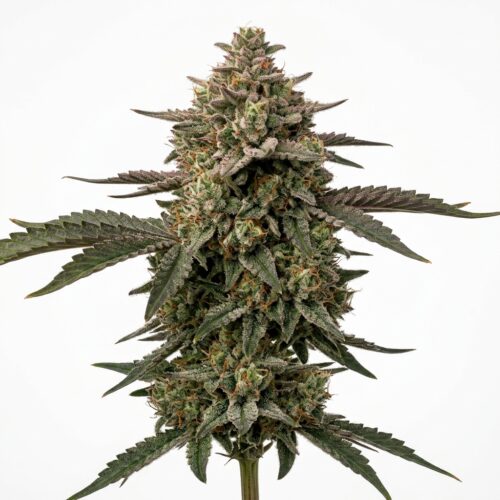
Grape Sitter is an indica-dominant hybrid developed by Cannarado Genetics, created by crossing Dog Sitter (Chem D x Chem Sister) with Grape Pie Bx. Celebrated for uniting heavy Chemdawg petrol notes with sweet, candied grape pie aromas, this cultivar produces dense, resin-encrusted flowers marked by vibrant purple hues and vivid orange stigmas. Cultivators appreciate its moderate stretch, sturdy lateral branching, and dependable 9 to 10 week flowering cycle.
Potent Chem Gas Meets Rich Candied Grape Pastry in Every Resin-Drenched Blossom
Grape Sitter combines the classic pungent fuel of the Chemdawg lineage with the decadent, fruity sweetness of Grape Pie. Tailored for growers seeking elite bag appeal, profound terpene depth, and robust structural stability, this cultivar offers consistent resin coverage and a balanced growing timeline across indoor and outdoor settings.
Delivers a rich bouquet of ripe concord grapes, sweet pastry, and sharp diesel fumes.
✓
Substantial Resin Density
Flowers build thick glandular trichome coverage ideal for premium bag appeal or extraction.
✓
Predictable Flowering Timeline
Completes its floral maturation cycle indoors within 60 to 70 days (9–10 weeks).
AI Editorial Cultivar Score8.7/10
Exceptional Chem-Dessert Hybrid
Editorial assessment for comparison only; not a laboratory result or product guarantee.
Aroma Complexity9.2/10
Unites astringent industrial fuel notes with dense grape confectionery aromas for a layered olfactory profile.
Resin Potential9.0/10
Inherits heavy glandular trichome coverage from both the Chemdawg and Grape Pie lineage lines.
Visual Appeal8.8/10
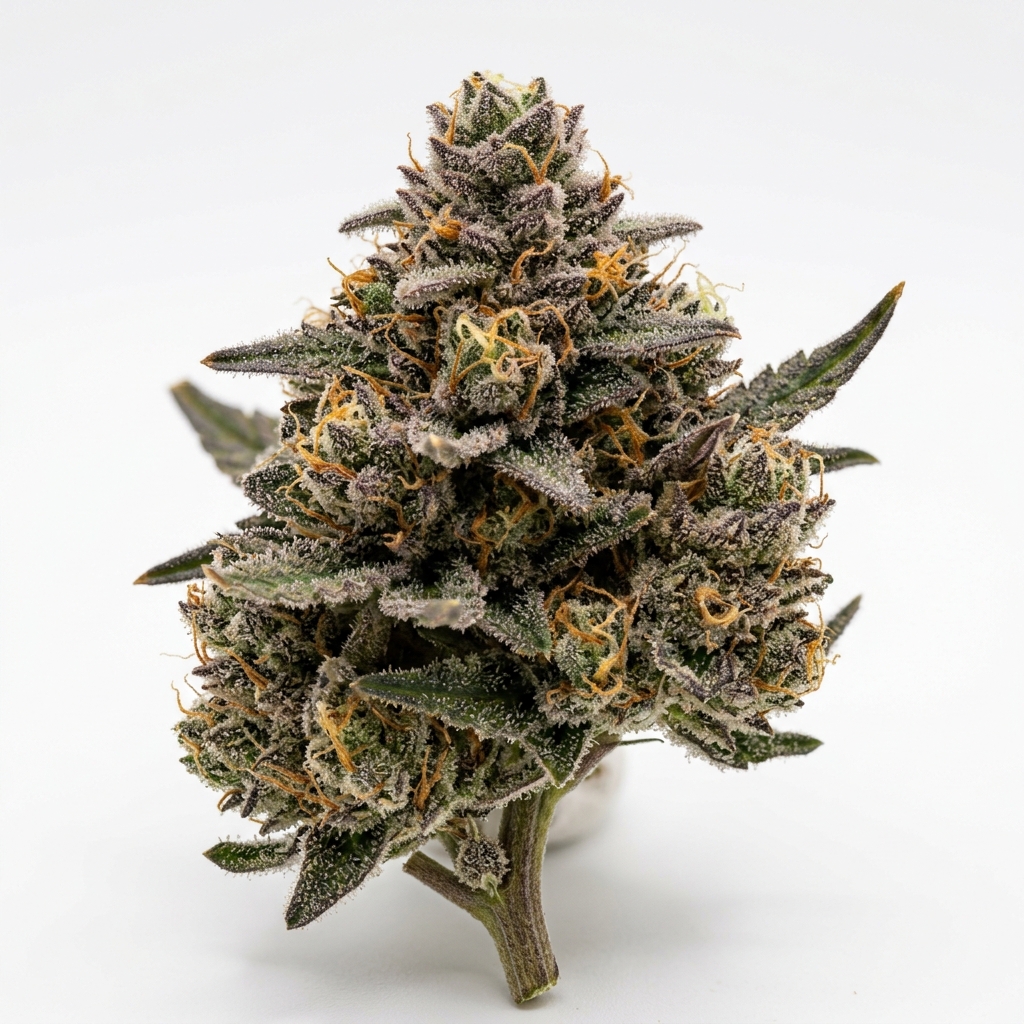
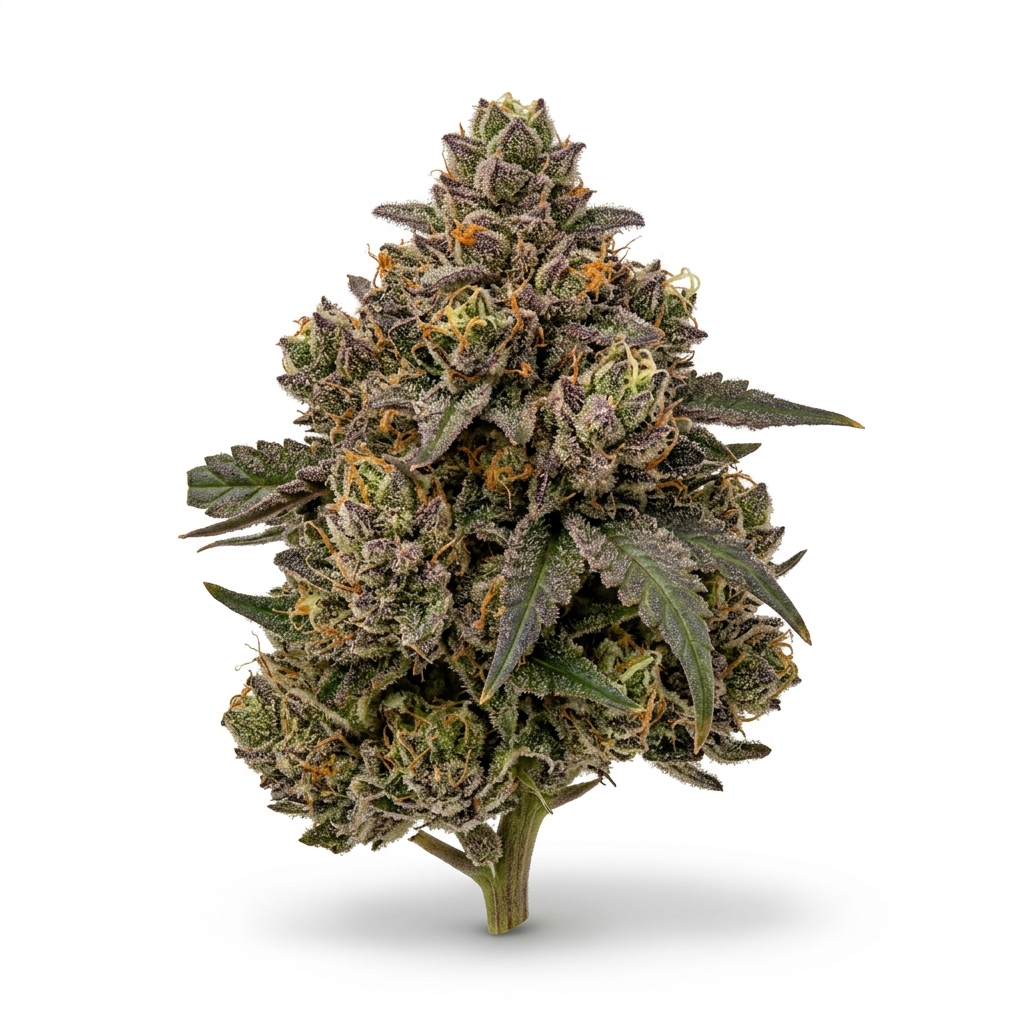
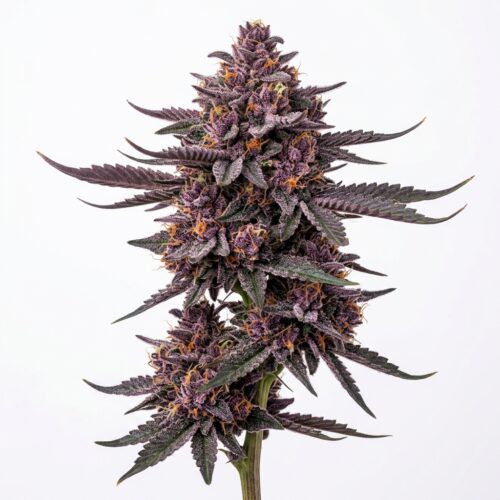
Displays vibrant lavender to deep purple colorations against dense, frosted floral clusters.
Cultivation Accessibility8.2/10
Manageable canopy structure and steady vegetative vigor make it workable for growers with standard training experience.
Documentation Confidence8.4/10
Well-documented lineage confirmed directly through breeder releases and retail dispensaries.
Reported flower potentialCannabinoid Overview
THCNot confirmedMature flowers; not seed contentCBDNot confirmedMature flowers; not seed content
Reported cannabinoid values can vary by phenotype, environment, harvest timing, and testing method.
Genetic relationshipLineage Diagram
Dog Sitter
Grape Pie Bx
Grape Sitter Cannabis Seeds
Reported aromatic compoundsTerpene Profile
Myrcene
Earthy, musky, ripe fruit
The predominant terpene in Grape Sitter, providing an earthy foundation that anchors the grape and petrol notes.
Limonene
Citrus zest, sweet fruit
Elevates the bright, fruity pastry elements and provides a zesty top note in the bouquet.
Beta-Caryophyllene
Black pepper, warm spice, woody
Contributes subtle background spiciness that complements the sharp Chemdawg fuel heritage.
Linalool
Floral, soft lavender
Adds a delicate floral sweetness that reinforces the fruit pastry and cereal character.
Cultivation referenceGrow Information
HeightMediumFlowering60–70 days (9–10 weeks)ClimateTemperate, Mediterranean, or well-regulated indoor climatesDifficultyModerateYieldModerate to high; produces compact, heavy colas with high calyx-to-leaf ratiosStretchModerate (1.5x to 2x stretch during transition)IndoorHighOutdoorModerate to HighGreenhouseHigh
Essential cultivar details
Quick Facts
Key genetics, cultivation, and reported characteristics at a glance.
GeneticsDog Sitter (Chem D x Chem Sister) x Grape Pie Bx (Grape Pie x [Grape Pie x DoHo])
Breeder / OriginCannarado Genetics
Cultivar Typeindica-dominant hybrid
Seed TypeAvailable as Feminized, Autoflower & Regular
PhotoperiodPhotoperiod
Reported THC PotentialNot confirmed
Reported CBD PotentialNot confirmed
Flowering Time60–70 days (9–10 weeks)
Plant HeightMedium
StretchModerate (1.5x to 2x stretch during transition)
DifficultyModerate
Yield CharacteristicsModerate to high; produces compact, heavy colas with high calyx-to-leaf ratios
Indoor SuitabilityHigh
Outdoor SuitabilityModerate to High
Greenhouse SuitabilityHigh
Climate PreferenceTemperate, Mediterranean, or well-regulated indoor climates
Grape Sitter represents a modern hybrid breeding program by Cannarado Genetics that merges two distinct chemotype profiles: the intense volatile hydrocarbon and sulfurous notes of classic Chemdawg selections via Dog Sitter, with the sweet ester-rich profile of Grape Pie Bx. Morphologically, the cultivar exhibits an indica-dominant habit with short internodal spacing and heavy lateral branching. Cannabinoid synthesis in mature dried flowers routinely centers between 18% and 25% total THC, accompanied by minor cannabinoids such as CBGA and trace CBC/CBD. The terpene architecture is consistently commanded by beta-myrcene, d-limonene, and linalool.
Genetics & Lineage
Grape Sitter’s maternal donor is Dog Sitter, a stabilized combination of Chem D and Chem Sister renowned for its acrid fuel profile and immense resin production. The pollen parent is Cannarado’s Grape Pie Bx, created by crossing Grape Pie (Grape Stomper x Cherry Pie) with a select male derived from Grape Pie and DoHo (Tahoe Bx x Cookies). This backcross was engineered to reinforce the confectionary grape character, resin head durability, and structural vigor across filial offspring.
Breeder Background
Cannarado Genetics is a Colorado-based breeding collective that has operated since the late 1990s. Known as the creator of foundational modern cultivars such as Sundae Driver and Grape Pie, Cannarado specializes in locking in dessert terpene profiles while maintaining genetic resilience and commercial bag appeal. Grape Sitter exemplifies their targeted backcrossing initiatives using elite in-house donor stock.
Botanical Characteristics
In vegetative growth, Grape Sitter develops broad, deep green fan leaves characteristic of its indica-dominant heritage. The plant establishes a sturdy central stalk supported by strong lateral branches that respond well to apical training. As flowering progresses, internodal expansion remains moderate, resulting in tight floral clustering along each shoot. Cooler nocturnal temperatures in the final two weeks of maturation often trigger anthocyanin accumulation, shifting the foliage and calyxes to shades of purple and slate blue.
Flower Structure
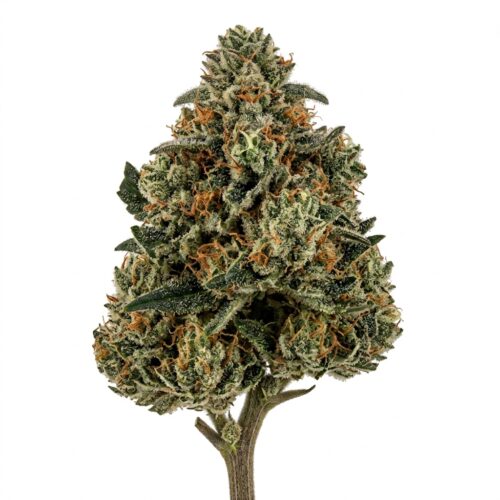
The mature inflorescences are dense, medium-sized, and conical or spade-shaped. Bracts are tightly packed and swollen, covered with a thick coating of capitate-stalked glandular trichomes. The visual profile is punctuated by vibrant amber pistils weaving through deep olive and violet bract clusters.
Aroma & Flavor Profile
Upon initial handling, Grape Sitter releases a distinctive aroma reminiscent of fruity cereal and grape soda overlaid with an earthy, damp soil base. When ground, the flower unleashes sharp notes of pungent kerosene and sour chem, reflecting the Dog Sitter ancestry. The flavor carries sweet grape pastry on the inhale, transitioning to a lingering, peppery diesel and herbal finish upon exhale.
Cultivation Overview
Grape Sitter adapts cleanly to various grow media, including organic living soil, coco coir, and closed-loop hydroponic systems. The cultivar exhibits moderate nutrient appetite during peak vegetative development and requires balanced phosphorus and potassium support during mid-to-late bloom. Because of its dense bud geometry, maintaining consistent airflow and relative humidity below 50% during the final three weeks of flowering is critical to prevent microclimate moisture buildup.
Indoor Considerations
Indoor growers can expect a standard flowering cycle of 60 to 70 days (9 to 10 weeks) under a 12/12 photoperiod. Topping early in vegetative growth encourages a multi-top canopy that fits Sea of Green (SOG) or Screen of Green (SCROG) setups. A carbon filtration system is strongly advised due to the intense diesel and sour grape odor emitted during late bloom.
Outdoor Considerations
When cultivated outdoors, Grape Sitter thrives in climates with warm, dry autumn conditions. Given its dense flower clusters, regions with heavy late-season rainfall require protective overhead cover or high-airflow positioning to preserve floral integrity. Harvest typically aligns with late September to early October in temperate Northern Hemisphere zones.
Phenotype Variation
Phenotypes generally segregate along two primary expressions: a ‘Grape-dominant’ phenotype displaying sweeter berry-pastry aromas and heavier purple coloration, and a ‘Dog-dominant’ phenotype marked by taller vertical internodal spacing and acrid chem fumes. Both expressions maintain consistent resin density and flowering duration.
Frequently Asked Questions
What is the genetic background of Grape Sitter?
Grape Sitter was bred by Cannarado Genetics by crossing Dog Sitter (Chem D x Chem Sister) with Grape Pie Bx (Grape Pie backcross).
What is the flowering time for Grape Sitter?
Grape Sitter typically finishes its flowering cycle in 60 to 70 days (9 to 10 weeks) when grown under standard indoor photoperiod conditions.
What does Grape Sitter smell and taste like?
It features a sweet profile of concord grape, fruity cereal, and pastry dough combined with sharp diesel fuel, earth, and light spice.
What is the reported THC potential of Grape Sitter flower?
Not confirmed
Is Grape Sitter suitable for beginner growers?
Yes, its moderate height, predictable stretch, and sturdy branch structure make it manageable, though careful humidity control is necessary due to dense bud formation.
Decision supportCompare Similar Genetics
Characteristic
Grape Sitter
Grape Pie
Genetic Lineage
Dog Sitter x Grape Pie Bx
Cherry Pie x Grape Stomper
Breeder
Cannarado Genetics
Cannarado Genetics
Aroma Profile
Sweet grape, dough, pungent diesel, and herbal tea
Grape candy, baked berries, and spicy dough
Flowering Window
60–70 days (9–10 weeks)
60–65 days (8–9 weeks)
Reported Mature Flower THC
18% – 25%
20% – 26%
Comparison is informational and reflects reported cultivar-level data; phenotype and growing conditions can change results.
Ready to choose?
Add Grape Sitter Genetics to Your Garden Library
Bring together the sharp complexity of Chemdawg and the mouth-coating dessert flavors of Grape Pie with authentic Grape Sitter genetics. Inspect growth requirements, environmental recommendations, and botanical traits below to optimize your cultivation plan.
Cannabis seeds are sold strictly as collectible botanical souvenirs and novelties in accordance with local regulations. Germination and cultivation of cannabis seeds are subject to regional laws. Cannabinoid and cultivation statistics reflect reported values from mature flowers grown in licensed environments and do not guarantee identical outcomes.
Additional information
Packs
5 Seeds, 10 Seeds, 25 Seeds
Reviews
There are no reviews yet.
Be the first to review “Grape Sitter Cannabis Seeds” Cancel reply







Reviews
There are no reviews yet.