
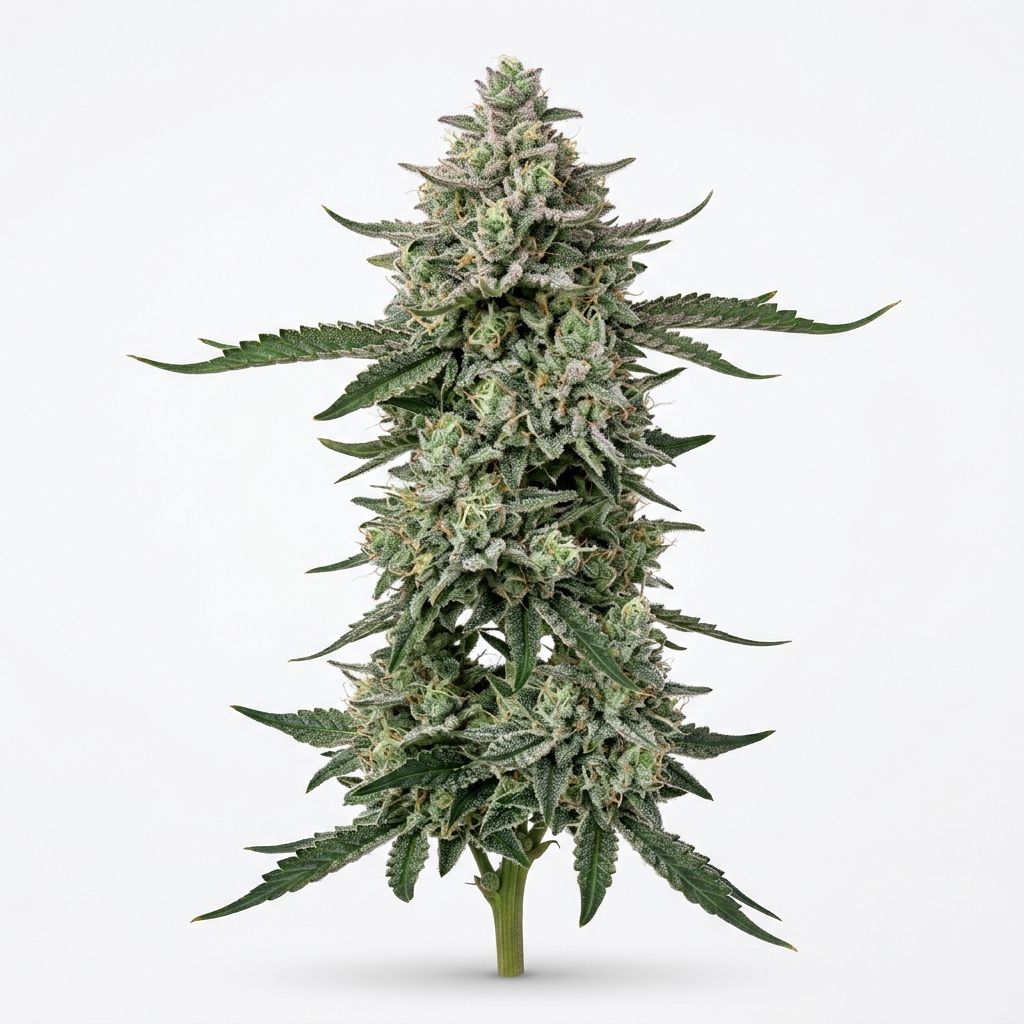
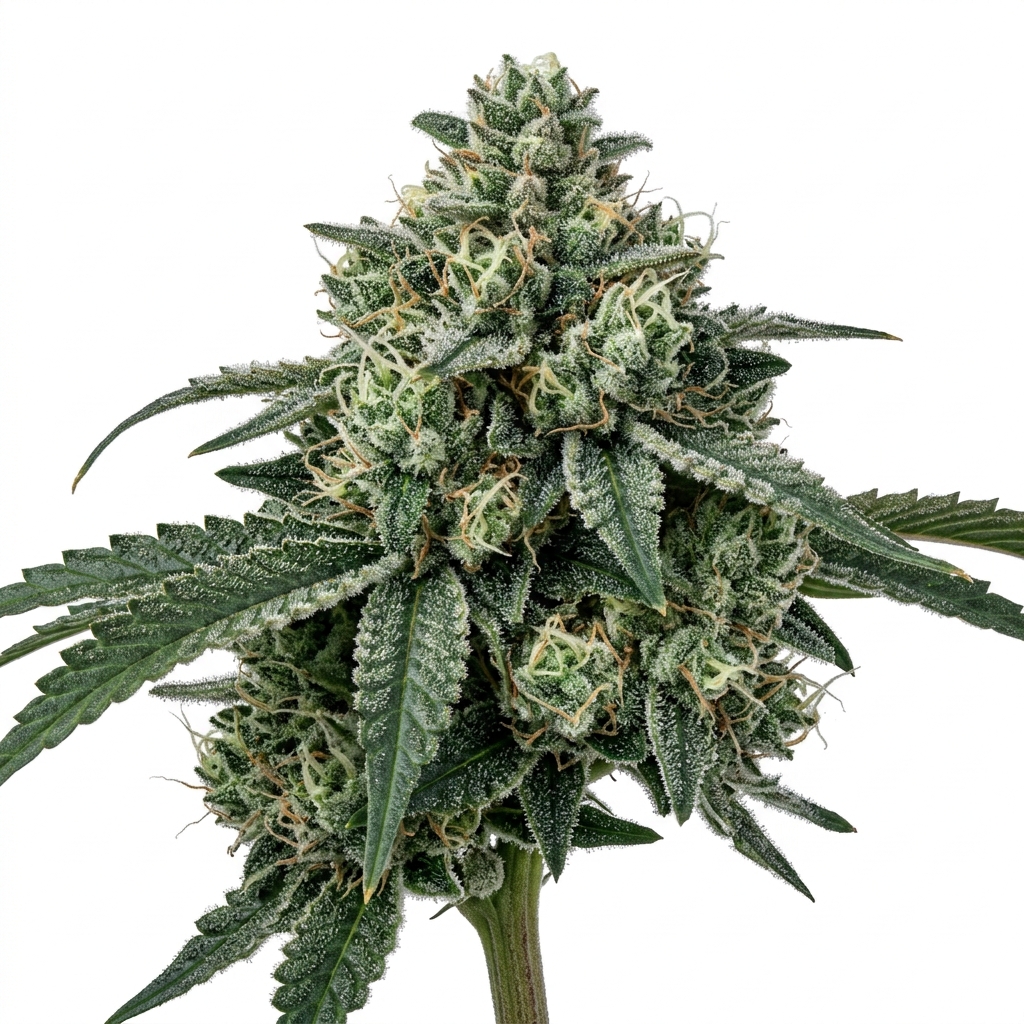
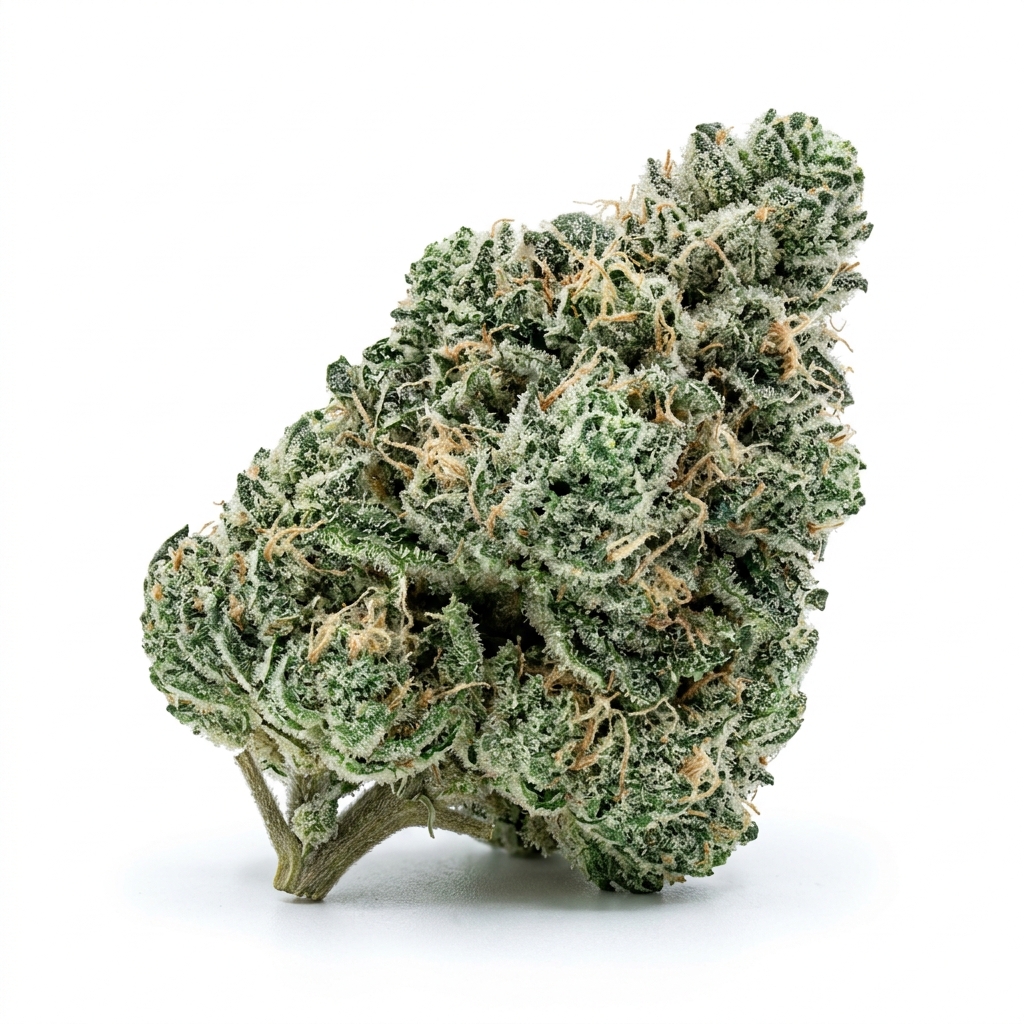
Coconut Milk is an elite indica-dominant hybrid developed by Ziplock Seeds, created by crossing the highly celebrated Cereal Milk with a robust hybrid of Jungle Cake and GMO. This cultivar showcases a complex aromatic profile that bridges sweet, creamy dessert notes with loud, noxious fuel and savory garlic-onion-gas undertones from its GMO parentage. Known for producing tight, forest-green flowers frosted in a generous layer of shimmering white trichomes, this cultivar offers an exceptional sensory experience for connoisseurs. Mature flowers can express a robust cannabinoid potential, often testing up to 31% THC. With a moderate flowering time of eight to nine weeks, Coconut Milk delivers both exceptional bag appeal and vigor, making it a highly prized addition to any garden.
Coconut Milk Cannabis Seeds
Price range: $65.00 through $240.00
Description
AI Editorial Cultivar Score8.4/10
Elite Hybrid
Editorial assessment for comparison only; not a laboratory result or product guarantee.
Aroma Complexity9.0/10
Sweet cream and cereal notes contrast heavily with savory GMO garlic and noxious diesel fumes.
Resin Potential8.8/10
Buds are heavily coated in a thick, sticky blanket of glistening white crystal trichomes.
Visual Appeal8.5/10
Presents tight, deep forest-green flowers accented by thin, light-orange pistils.
Cultivation Accessibility7.2/10
Requires active canopy management and humidity controls to manage high flower density safely.
Documentation Confidence8.5/10
Lineage and breeder history are well-supported across reputable seed banks and dispensary analyses.
Reported flower potentialCannabinoid Overview
Reported cannabinoid values can vary by phenotype, environment, harvest timing, and testing method.
Genetic relationshipLineage Diagram
Cereal Milk
Jungle Cake
GMO
Coconut Milk Cannabis Seeds
Reported aromatic compoundsTerpene Profile
Caryophyllene
Spicy, black pepper, and herbal
Provides a warm, spicy depth that balances the sweet creaminess of the cultivar.
Myrcene
Earthy, musky, and ripe fruit
Contributes to the relaxing body-forward foundation and rich, natural herbal undertones.
Limonene
Bright citrus and lemon zest
Introduces an uplifting, sweet citrus element that cuts through the heavier diesel funk.
Cultivation referenceGrow Information
Essential cultivar details
Quick Facts
Key genetics, cultivation, and reported characteristics at a glance.
GeneticsCereal Milk x (Jungle Cake x GMO)
Breeder / OriginZiplock Seeds
Cultivar Typeindica-dominant hybrid
Seed TypeAvailable as Feminized, Autoflower & Regular
PhotoperiodPhotoperiod
Reported THC Potential28% to 31%
Reported CBD PotentialNot confirmed
Flowering Time56 to 63 days
Plant HeightMedium
StretchMedium (up to 2x stretch)
DifficultyModerate
Yield CharacteristicsMedium to High
Indoor SuitabilityYes
Outdoor SuitabilityYes
Greenhouse SuitabilityYes
Climate PreferenceTemperate, warm, and semi-humid climates
Dominant TerpenesCaryophyllene, Myrcene, Limonene
Research ConfidenceHigh
Scientific Overview
Coconut Milk is a chemically complex indica-dominant hybrid that exemplifies modern dessert-leaning cannabis breeding. The cultivar primarily expresses a terpene profile dominated by caryophyllene, myrcene, and limonene, which yields a highly unique organoleptic profile. This strain synthesizes the sweet, creamy, and vanilla-like esters of its Cereal Milk parent with the heavier, sulfurous, and fuel-rich volatile compounds inherited from the GMO and Jungle Cake lineage. Its physiological structure is typical of compact indica-leaning hybrids, characterized by tight internodal spacing and high flower-to-leaf ratios, which results in exceptionally dense colas. The high-potency potential of mature flowers, often testing at 28% to 31% THC, makes it a favored cultivar among experienced consumers looking for robust cannabinoid expression.
Genetics & Lineage
The lineage of Coconut Milk represents a strategic combination of some of the most influential cultivars of the late 2010s and early 2020s. Developed primarily by Ziplock Seeds, the genetic foundation relies on crossing Cereal Milk—itself a cross of Y Life (Cookies x Cherry Pie) and Snowman—with a select cut of Jungle Cake x GMO. This combination effectively merges the sugary, cookie-forward genetics of the Gelato/Cookies family with the loud, savory, garlic-and-onion fuel profile of GMO. Rogue River Family Farms in Oregon and various boutique dispensaries have popularized this specific cross, which stands out for its consistent ability to stack exotic creamy terpenes alongside deep, resinous yields.
Breeder Background
Ziplock Seeds is a family-owned and operated breeding project led by a second-generation Hawaiian cultivator, Shanoah Stanley, now operating primarily in Southern Oregon. Combining Hawaiian agricultural heritage with modern greenhouse cultivation techniques, Ziplock Seeds focuses heavily on selecting cultivars for high terpene concentrations, environmental resistance, vigor, and exceptional bag appeal. The breeder’s ethos was born from distributing hand-selected seeds in plastic baggies, leading to the name. Their work with the ‘Jungle Cake x GMO’ pollen donor has birthed several highly sought-after hybrids, including Coconut Milk and its successor, Coconut Cream.
Botanical Characteristics
Coconut Milk exhibits a sturdy, highly vigorous vegetative growth phase typical of indica-hybrid cultivars. The plants display wide, dark-green fan leaves with double-serrated margins, indicating strong heritage from its ancestral landrace lines. Stems are thick and woody, providing the structural integrity needed to support heavy flower development later in the cycle. The root system is robust and aggressive, thriving best in airy, peat-coco blends. While it exhibits a moderate stretch during the transition to flower, the internodal spacing remains relatively tight, resulting in a compact, bushy canopy that benefits significantly from proactive defoliation.
Flower Structure
The finished flowers of Coconut Milk are characterized by extreme density and a highly resinous texture that can make drying and curing times slightly longer than average. The buds form oversized, pepper-shaped structures that are tight and compact. Coloration is a rich tapestry of deep forest and minty greens, punctuated by thin, light-orange pistils that wind closely against the calyxes. The most striking visual element is the dense, unbroken carpet of microscopic, vibrant white crystal trichomes that cover every surface of the flower, giving the finished product a heavily frosted, glistening appearance.
Aroma & Flavor Profile
Coconut Milk features one of the most complex and contrasting sensory profiles in modern hybrid cannabis. Upon opening a container, the initial aroma is sweet and creamy, resembling sugary vanilla milk and toasted grains. However, breaking the buds apart unleashes a sharp contrast of savory, garlic-and-onion funk and noxious diesel fumes—a direct inheritance from the GMO grandparent. On the palate, the smoke is remarkably smooth and heavy, tasting initially of sweet vanilla cream and toasted coconut, before finishing with a spicy, earthy, and slightly gassy exhale that lingers long after use.
Cultivation Overview
Cultivating Coconut Milk requires a moderate level of gardening experience due to its intense bud density and specific environmental preferences. The plants respond exceptionally well to standard training techniques such as topping and low-stress training (LST) to promote an even, multi-topped canopy. Because the buds are incredibly tight and oily, strict control over humidity during the late flowering and drying phases is paramount to prevent moisture-related issues such as botrytis. Cultivators should aim for a gradual taper in humidity as harvest approaches, ensuring a clean and healthy finish.
Indoor Considerations
When grown indoors, Coconut Milk thrives under high-intensity discharge (HID) or high-spectrum LED lighting. The plants usually reach a manageable height of 100 to 140 cm, making them highly suitable for standard grow tents or multi-tier commercial racks. Proactive defoliation of the lower third of the plant (lollipops) is highly recommended to redirect energy toward the upper canopy and improve airflow. Maintaining relative humidity (RH) below 45% during the final three weeks of flower is crucial to safeguard the dense colas from mold and mildew.
Outdoor Considerations
Outdoors, Coconut Milk performs exceptionally well in warm, semi-arid climates where natural sunlight can maximize its complex terpene expression. It is highly resistant to standard environmental stressors but should be protected from late-season rainfall due to the density of its buds. In the Northern Hemisphere, harvest typically falls around early October. Cultivators in coastal or high-humidity regions should ensure plants are situated in areas with excellent natural wind exposure or provide overhead protection during late autumn showers.
Phenotype Variation
While Ziplock Seeds’ feminized Coconut Milk seeds are highly stable, growers may observe mild phenotypic variations. Some individual plants will lean heavily toward the Cereal Milk parent, showcasing a more compact growth habit, brighter mint-green coloration, and a dominant sweet vanilla and cookie dough aroma. Other phenotypes express the GMO heritage more clearly, resulting in slightly more stretch, longer pepper-shaped buds, and a highly pungent, savory gas aroma that eclipses the sweet creaminess. Pheno-hunters generally seek out the balanced ‘sweet gas’ phenotypes that combine the best of both worlds.
Frequently Asked Questions
What is the genetic lineage of Coconut Milk?
Coconut Milk is bred by Ziplock Seeds, crossing the popular Cereal Milk strain with a hybrid of Jungle Cake and GMO.
How long does Coconut Milk take to flower?
This photoperiod hybrid typically completes its indoor flowering cycle in approximately 8 to 9 weeks (56 to 63 days).
What does the Coconut Milk strain smell like?
It has a complex, sweet vanilla and creamy coconut aroma blended with sharp notes of pungent diesel, garlic, and savory earth.
Is Coconut Milk difficult to grow?
It is rated as moderate. The plant is highly vigorous, but its extremely dense, resin-coated buds require careful humidity management to prevent mold.
What are the dominant terpenes in Coconut Milk?
Lab analyses of mature flowers commonly report caryophyllene, myrcene, and limonene as the primary dominant terpenes.
Disclaimer
Cannabis cultivation laws vary widely by jurisdiction. All seeds are sold strictly as novelty collectable items only. Cannabinoid and terpene profiles refer to potential levels expressed by mature flowers under optimal cultivation conditions and do not represent a guarantee of performance. Performance and yields vary depending on grower experience, cultivation methods, and environmental factors.
Additional information
| Packs | 5 Seeds, 10 Seeds, 25 Seeds |
|---|


Reviews
There are no reviews yet.