


Cinnamon Milk Cannabis Seeds bring a dessert-forward cultivar to the garden, originally selected from a high-profile collaboration between Cookies and Powerzzzup Genetics. This balanced hybrid is a genetic cross of Cereal A La Mode and Sherb Z #1, combining the creamy, nostalgic notes of gourmet cereal with a complex, gassy fruit finish. Mature flowers exhibit deep royal purple and forest green hues under a heavy, icy layer of trichomes. Experienced cultivators will appreciate its moderate growing difficulty, average eight- to nine-week flowering period, and medium-to-high yield potential. With a reported THC potential of 23% to 27%, Cinnamon Milk provides a robust botanical profile dominated by beta-caryophyllene, limonene, and myrcene.
Cinnamon Milk Cannabis Seeds
Price range: $65.00 through $240.00
Description
AI Editorial Cultivar Score8.5/10
Connoisseur Choice
Editorial assessment for comparison only; not a laboratory result or product guarantee.
Aroma Complexity9.2/10
Features a highly distinctive and rare warm cinnamon-toast and sweet-cream nose.
Resin Potential8.8/10
Produces an abundant, thick frosting of milky trichomes suitable for extraction.
Visual Appeal9.0/10
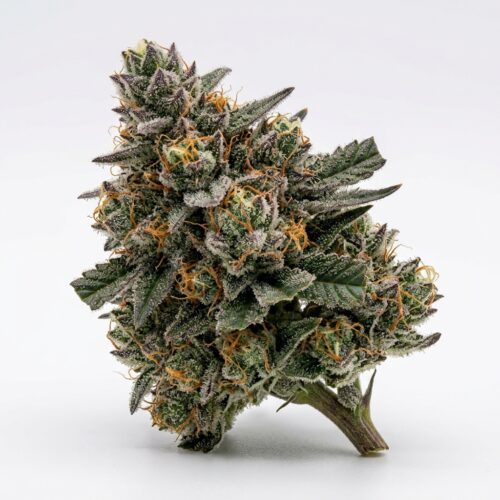
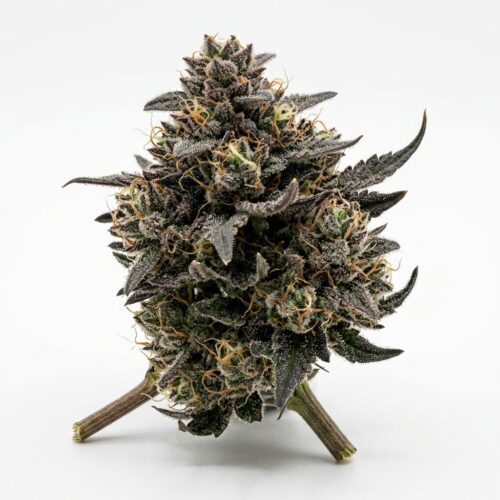
Striking clumpy, royal purple buds heavily accented with deep green and rust-colored pistils.
Cultivation Accessibility7.0/10
Requires some training and environmental control, making it best suited for growers with some experience.
Documentation Confidence8.5/10
Well-documented pedigree from a collaboration of two legendary modern breeders.
Reported flower potentialCannabinoid Overview
Reported cannabinoid values can vary by phenotype, environment, harvest timing, and testing method.
Genetic relationshipLineage Diagram
Cereal A La Mode
Sherb Z #1
Cinnamon Milk Cannabis Seeds
Reported aromatic compoundsTerpene Profile
Beta-Caryophyllene
Spicy, peppery, woody
The dominant terpene contributing to the distinct, warm cinnamon-spice flavor and aroma profile.
Limonene
Bright citrus, lemon
Adds an uplifting, sweet citrus element that cuts through the heavier doughy aromas.
Beta-Myrcene
Earthy, herbal, musky
Provides a grounding, herbal backbone that enhances the relaxing botanical qualities.
Linalool
Floral, sweet, lavender-like
Lends a subtle floral sweetness that completes the decadent 'cereal milk' creaminess.
Cultivation referenceGrow Information
Essential cultivar details
Quick Facts
Key genetics, cultivation, and reported characteristics at a glance.
GeneticsCereal A La Mode x Sherb Z #1
Breeder / OriginCookies and Powerzzzup Genetics
Cultivar Typebalanced hybrid
Seed TypeAvailable as Feminized, Autoflower & Regular
PhotoperiodPhotoperiod
Reported THC Potential23% to 27%
Reported CBD PotentialUnder 1%
Flowering Time8 to 9 weeks
Plant HeightMedium-tall
StretchModerate
DifficultyModerate
Yield CharacteristicsMedium to high
Indoor SuitabilityYes
Outdoor SuitabilityYes
Greenhouse SuitabilityYes
Climate PreferenceTemperate, warm climates with consistent temperatures of 70–80°F and moderate humidity
Dominant TerpenesBeta-Caryophyllene, Limonene, Beta-Myrcene, Linalool
Research ConfidenceHigh
Scientific Overview
Cinnamon Milk is a highly sought-after contemporary hybrid that represents the peak of modern dessert-focused cannabis breeding. Created through a joint venture between industry giants Cookies and Powerzzzup Genetics, this cultivar leans slightly indica but maintains a highly balanced chemical expression. Structurally, the plant produces a dense, resinous canopy that requires a controlled environment to maximize its secondary metabolite production. Its chemical profile is heavily defined by high-potency THCA levels alongside an intricate mixture of sesquiterpenes and monoterpenes. Specifically, the co-dominance of beta-caryophyllene, limonene, and myrcene creates its famously unique cinnamon-sugar-like scent, while the underlying cannabinoid matrices can push mature-flower THC levels up to the mid-to-high 20s. This combination has cemented Cinnamon Milk as a modern favorite among consumers seeking robust physical relaxation accompanied by a clear, creative mental lift.
Genetics & Lineage
The genetic heritage of Cinnamon Milk is a deliberate pairing of two extremely popular dessert lines: Cereal A La Mode and Sherb Z #1. On the maternal side, Cereal A La Mode (a cross of Cereal Milk and Georgia Pie) brings a heavy, sugary pastry aroma and robust bud density. On the paternal side, Sherb Z #1 (a selective phenotype from the Sunset Sherbet and Zkittlez lines) introduces complex fruit-candy undertones and an fuel-like gas backend. This multi-generational pedigree yields a stable, flavor-forward hybrid that carries the elite qualities of its ancestors—including the legendary Girl Scout Cookies and Gelato lines—while presenting a completely novel terpene combination reminiscent of spiced cereal milk.
Breeder Background
Cinnamon Milk represents a collaborative breeding project between Cookies and Powerzzzup Genetics. Cookies, founded by Berner and Jai, is renowned worldwide for creating culture-defining cultivars like Girl Scout Cookies (GSC), Gelato, and Gary Payton. Powerzzzup Genetics, led by legendary Bay Area breeders, has long been the genetic engine behind several of the finest ‘Sherb’ and candy-gas lines on the market. Together, their synergy of elite breeding selections and large-scale, quality-controlled testing has allowed Cinnamon Milk to transition successfully from select regional micro-cultivations to an acclaimed nationwide release.
Botanical Characteristics
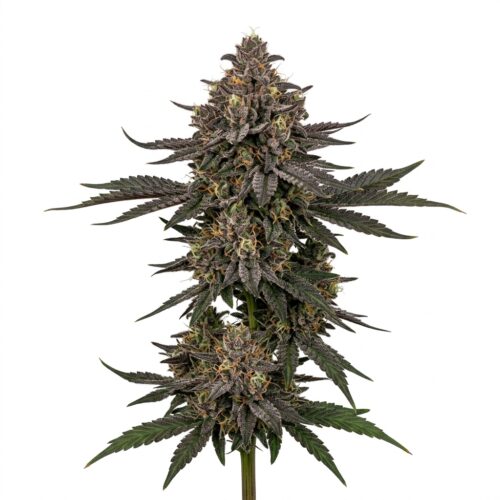
In the garden, Cinnamon Milk exhibits traditional hybrid growth habits with a slight indica leaning. The plants grow to a medium-to-tall height and produce strong lateral branching, necessitating standard canopy management such as low-stress training (LST) or topping to promote uniform light penetration. The foliage consists of broad, deeply webbed fan leaves that transition from dark emerald green to deep violet and indigo hues during the final stages of the flowering cycle, particularly when exposed to cooler nighttime temperatures. Performance and morphological traits can vary based on specific environmental inputs, but the cultivar generally shows strong vigor during both vegetative and generative phases.
Flower Structure
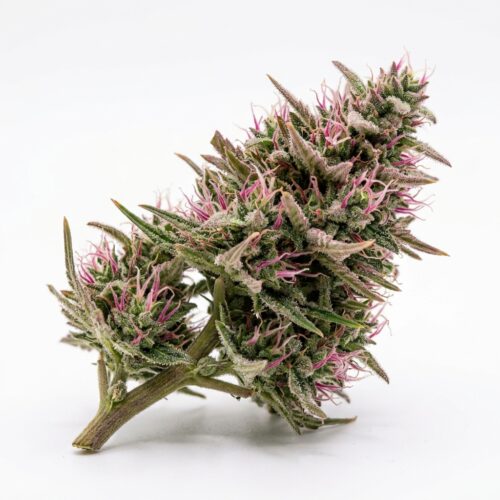
The mature flowers of Cinnamon Milk are characterized by their chunky, clumpy, and highly dense structures. The buds form large, cone-like colas that are heavily coated in a thick, sticky blanket of capitate-stalked trichomes, giving the plant an almost wet, frosty appearance. Deep violet and royal purple hues weave throughout the dense green bracts, contrasted sharply by a dense network of thin, rust-colored and orange pistils. The flowers maintain excellent structural integrity after drying and curing, preserving the delicate trichome heads and their precious, volatile terpenes.
Aroma & Flavor Profile
Cinnamon Milk stands out dramatically in a market dominated by overly sweet, simple fruit profiles. The olfactory experience begins with a comforting, warm aroma of spiced cinnamon toast and sweet, milky cereal, followed immediately by sharp, clean notes of limonene-rich citrus. When broken apart, the buds release a deep, pungent undercurrent of earthy gas, petrol, and toasted dough. On the palate, the flavor is strikingly accurate to its namesake: a creamy, smooth cinnamon entry with sugary undertones that transitions into a rich, full-bodied fuel and pine exhale. The unique presence of warm, spiced terps alongside heavy gas creates a comforting and highly satisfying smoke or vapor profile.
Cultivation Overview
Cultivating Cinnamon Milk requires a moderate level of agricultural knowledge, as the plant responds best to a highly dialed-in, stable environment. It is suitable for indoor, outdoor, and greenhouse cultivation, though indoor operations allow the grower to fully optimize the unique terpene and color expressions. Cultivators are encouraged to monitor humidity levels closely during the late flowering stage to prevent moisture retention in the dense, thick colas. The use of organic soil and compost teas has been reported to significantly enhance the aromatic complexity, while a thorough flush in the final week ensures the clean, smooth flavor of the finished buds. Performance varies depending on the grower’s experience and specific conditions.
Indoor Considerations
When grown indoors, Cinnamon Milk performs exceptionally well in both hydroponic and living soil systems. To manage its medium-tall stretch, growers should utilize a Screen of Green (ScrOG) or low-stress training (LST) to keep the canopy flat and even, ensuring that lower bud sites receive adequate light. The flowering phase typically spans 8 to 9 weeks, during which the plants benefit from a gradual reduction in humidity down to 40-45% in the final weeks. Introducing cooler temperatures (around 65°F) during the dark cycle of late bloom will encourage the spectacular, dark purple hues to fully manifest across the bracts.
Outdoor Considerations
Outdoors, Cinnamon Milk thrives in temperate, warm climates with plenty of direct sunlight and moderate wind movement. It requires well-draining soil rich in organic matter to support its heavy feeding habits during the mid-season transition. Cultivators in northern latitudes should watch the weather carefully, as harvest typically falls in mid-to-late October. Ensuring physical support, such as trellising or stakes, is essential to prevent the heavy, dense colas from weighing down or breaking the lateral branches under their own weight during the final swell.
Phenotype Variation
As a contemporary hybrid, Cinnamon Milk displays a moderate level of phenotype variation when grown from seed. Cultivators can expect to find a couple of primary expressions: one phenotype that leans heavily toward the sweet-cream, bakery-inspired notes of Cereal A La Mode, producing slightly greener buds with immense frost, and another phenotype that exhibits the gassy, purple, and spicy characteristics of the Sherb Z parentage. Selecting and cloning a mother plant with the ideal balance of cinnamon warmth, purple coloration, and robust structure is highly recommended for commercial or recurring home setups.
Frequently Asked Questions
What is the genetic lineage of Cinnamon Milk?
Cinnamon Milk is a cross of Cereal A La Mode and Sherb Z #1, developed through a collaboration between Cookies and Powerzzzup Genetics.
How long does it take for Cinnamon Milk to flower?
When grown indoors, Cinnamon Milk has an average flowering period of 8 to 9 weeks.
What does Cinnamon Milk smell and taste like?
It is characterized by a unique aroma of warm cinnamon spice, sweet cream, and a gassy undertone, tasting of sweet cinnamon-sugar with an earthy, petrol-like exhale.
Is Cinnamon Milk easy to grow for beginners?
This cultivar is rated as moderate in difficulty. It benefits from training techniques like LST and requires careful environmental management, making some prior growing experience helpful.
What is the typical plant height and yield of Cinnamon Milk?
The plants generally grow to a medium-to-tall height, yielding a moderate to high amount of dense, purple buds when cultivated under optimal indoor or outdoor conditions.
Disclaimer
In accordance with local laws, cannabis seeds are sold strictly as souvenir preservation items. Germination and cultivation of cannabis seeds are subject to legal restrictions in many jurisdictions. Cannabinoid and terpene profiles refer exclusively to the potential of mature flowers grown under optimal conditions; individual results will vary. Check your local regulations before purchasing.
Additional information
| Packs | 5 Seeds, 10 Seeds, 25 Seeds |
|---|



Reviews
There are no reviews yet.