
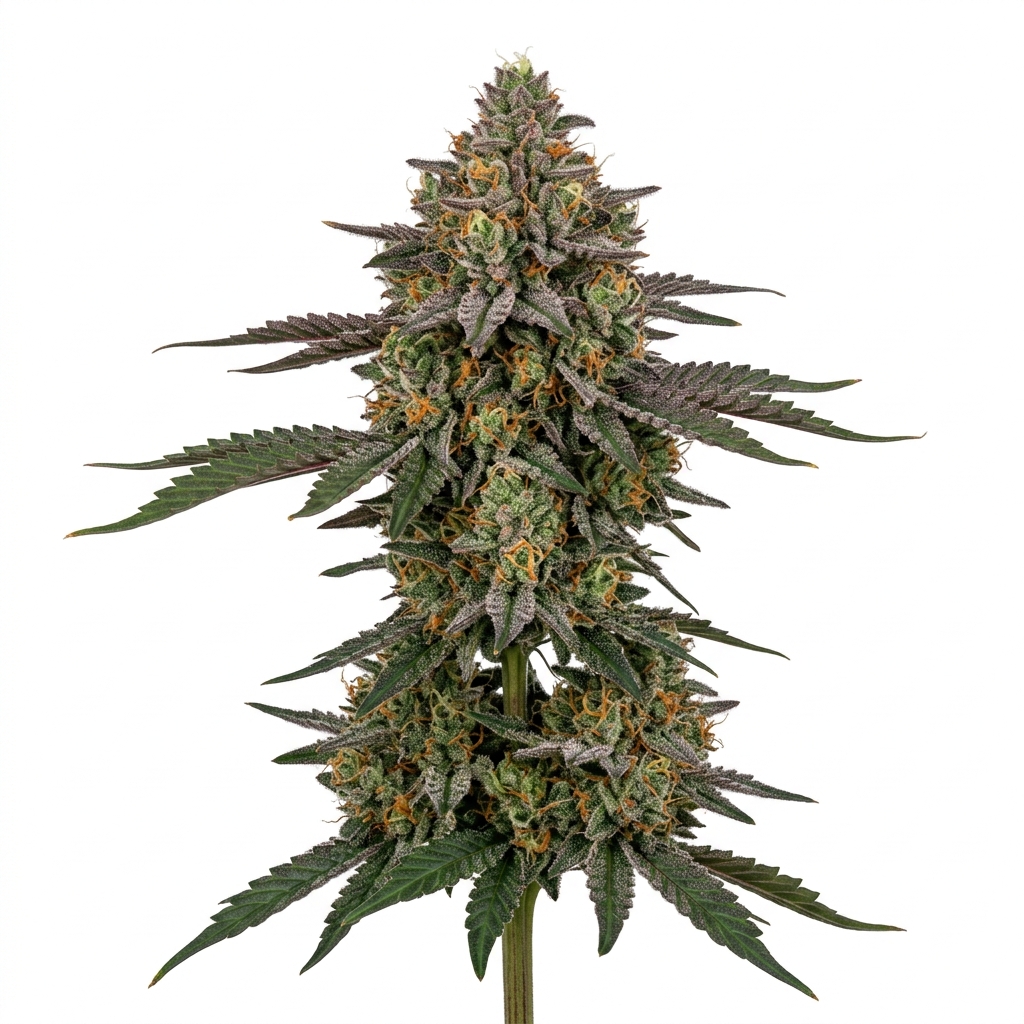
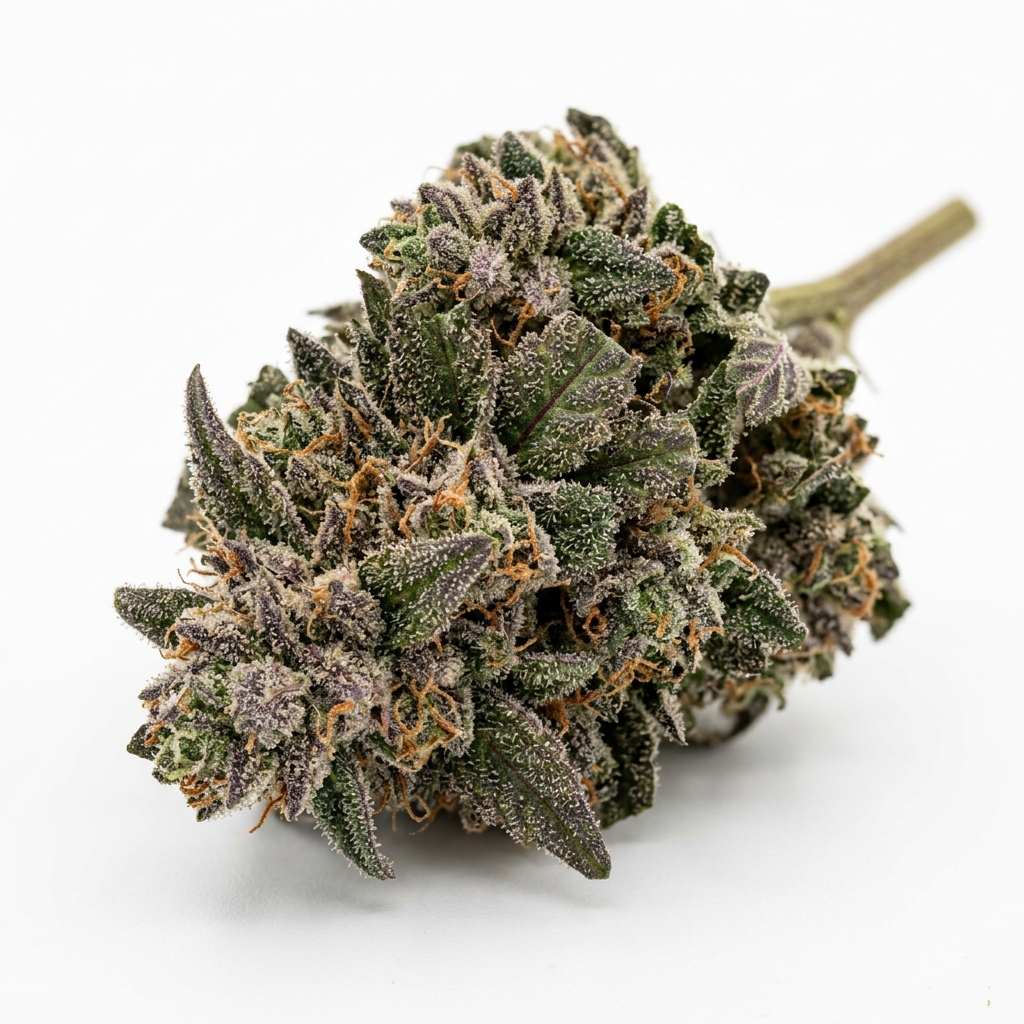
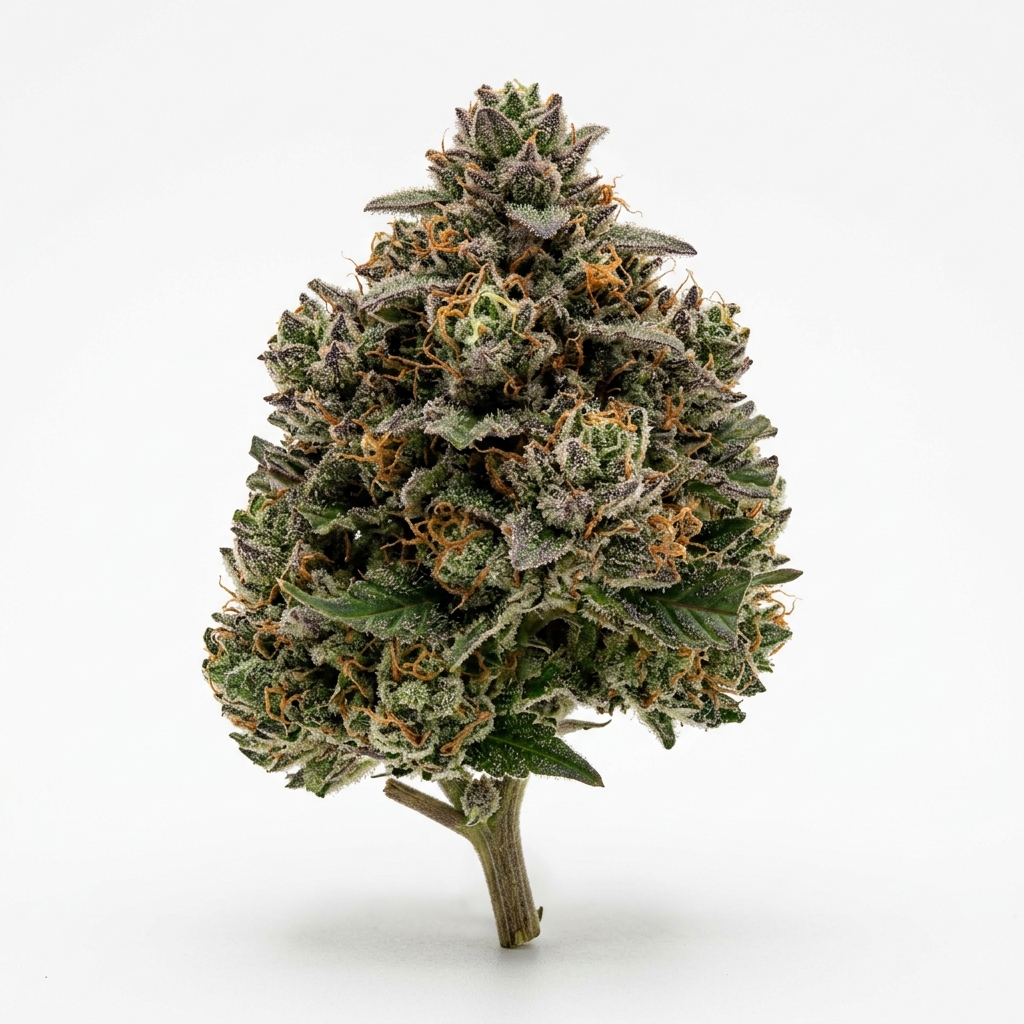
Cherry Pie is a legendary indica-dominant hybrid that has earned a permanent place in the cannabis hall of fame. Created by breeder Kenny Dumetz (aka PieGuy) in the San Francisco Bay Area, this cultivar marries the sweet, relaxing qualities of Granddaddy Purple with the bright, energetic kick of the South African landrace Durban Poison. The result is a highly resinous plant known for its striking purple accents, vibrant orange pistils, and a sweet, doughy aroma reminiscent of freshly baked cherry pastry. Possessing a mature-flower THC potential of 16% to 25%, Cherry Pie offers commercial-grade yields within a rapid 8-to-9-week flowering window. It is highly valued by cultivators of all skill levels for its robust growth, manageable height, and exceptional resin coverage.
Cherry Pie Cannabis Seeds
Price range: $65.00 through $240.00
Description
AI Editorial Cultivar Score8.8/10
Highly Recommended West Coast Classic
Editorial assessment for comparison only; not a laboratory result or product guarantee.
aroma complexity9.2/10
Offers an exceptionally complex sweet-tart bakery profile driven by rich myrcene and caryophyllene.
resin potential8.7/10
Produces heavily frosted buds with thick trichome coverage inherited from Granddaddy Purple.
visual appeal9.0/10
Displays striking contrast between deep forest green, vibrant orange pistils, and rich violet/purple hues.
cultivation accessibility8.5/10
Highly resilient with a fast 8-to-9-week blooming period, though dense buds require late-stage support.
documentation confidence8.6/10
Extensively documented across global dispensaries, databases, and breeder catalogs.
Reported flower potentialCannabinoid Overview
Reported cannabinoid values can vary by phenotype, environment, harvest timing, and testing method.
Genetic relationshipLineage Diagram
Granddaddy Purple
Durban Poison
Cherry Pie Cannabis Seeds
Reported aromatic compoundsTerpene Profile
Myrcene
Earthy, musky, herbal
The dominant terpene in Cherry Pie, lending a deep herbal foundation and supporting relaxation.
Caryophyllene
Spicy, peppery, woody
Adds a warm, baking-spice complexity that balances the sweet berry elements.
Pinene
Pine, fresh wood, rosemary
Provides a subtle botanical freshness and a clean, refreshing top note.
Cultivation referenceGrow Information
Essential cultivar details
Quick Facts
Key genetics, cultivation, and reported characteristics at a glance.
GeneticsGranddaddy Purple x Durban Poison
Breeder / OriginKenny Dumetz (aka PieGuy)
Cultivar Typeindica-dominant hybrid
Seed TypeAvailable as Feminized, Autoflower & Regular
PhotoperiodPhotoperiod
Reported THC Potential16% – 25%
Reported CBD PotentialLow (typically under 1%)
Flowering Time8-9 weeks
Plant HeightMedium (approx. 100-150 cm indoors, up to 250 cm outdoors)
StretchMedium
DifficultyEasy to Moderate
Yield CharacteristicsHigh (up to 500–600 g/m² indoors / 500g+ per plant outdoors)
Indoor SuitabilityHighly suitable
Outdoor SuitabilityHighly suitable
Greenhouse SuitabilityHighly suitable
Climate PreferenceWarm, dry, temperate climates with plenty of sunlight
Dominant TerpenesMyrcene, Caryophyllene, Pinene
Research ConfidenceHigh
Scientific Overview
Cherry Pie is a photoperiod hybrid characterized by a high concentration of myrcene, caryophyllene, and pinene. Originating in the California breeding scene of the late 2000s, it represents a successful bridge between landrace sativa genetics from South Africa (Durban Poison) and complex, indica-dominant West Coast polyhybrids (Granddaddy Purple). The cultivar exhibits a distinct morphological profile featuring dense, resin-coated inflorescences that often showcase purple anthocyanin coloration under cooler night cycles.
Genetics & Lineage
The lineage of Cherry Pie is a cross of Granddaddy Purple and Durban Poison. Granddaddy Purple (GDP) contributes its deep purple coloring, berry-sweet aroma, and dense bud structure, while Durban Poison brings the structural vigor, peppery spice, and uplifting cerebral element. Some accounts mention a connection to ‘F1 Durb’, a specific cut of Durban Poison widely used in Northern California during the rise of the Cookie family cultivars, which further solidifies Cherry Pie’s standing in modern dessert-themed cannabis genealogy.
Breeder Background
Cherry Pie was originally bred by Kenny Dumetz, known in the Bay Area community as PieGuy. It emerged during an era of intense hybridization on the West Coast, quickly gaining traction alongside Cookie Fam genetics. It has since been reproduced or selected by major global breeders such as Ethos Genetics, Royal Queen Seeds, and BSB Genetics, each selecting phenotypes that preserve the classic cherry pastry aroma and fast flowering characteristics.
Botanical Characteristics
As an indica-dominant cultivar (typically 60% to 80% indica), Cherry Pie displays a stout, bushy growth habit with strong lateral branching. It features broad, dark green fan leaves that can develop purple tints towards the end of the vegetative or early flowering phase. The plants are moderately robust and adapt well to various training techniques like topping or low-stress training (LST) to optimize light penetration through the dense canopy.
Flower Structure
The flowers of Cherry Pie are remarkably dense, tight, and compact. They exhibit a rounded to spear-shaped structure, heavily coated in sticky glandular trichomes. The visual palette is striking: deep forest greens are contrasted by rich purple and violet hues on the sugar leaves and calyxes, accented by a dense network of short, curly, fiery orange pistils.
Aroma & Flavor Profile
True to its name, Cherry Pie has a distinct sweet and sour cherry bakery aroma. When broken apart, the dense buds release rich notes of warm yeast dough, tart berries, and an undercurrent of peppery spice. The flavor is highly consistent with the aroma, delivering a smooth, sweet cherry and berry inhalation with a slightly herbal and spicy exhale, a direct inheritance from its terpene-rich parentage.
Cultivation Overview
Cultivating Cherry Pie is generally classified as easy to moderate, making it accessible to beginners while rewarding experienced growers. It performs exceptionally well in controlled indoor environments, greenhouse setups, and warm, dry outdoor climates. Because the buds mature into heavy, dense structures, maintaining a strict relative humidity (RH) schedule is crucial in the final weeks of bloom to prevent moisture retention. Additionally, structural support is highly recommended by week 7 of flower.
Indoor Considerations
Indoors, Cherry Pie plants typically finish in 8 to 9 weeks (55 to 65 days) from the initiation of the 12/12 light cycle. Standard yields range up to 500–600 g/m² under optimal lighting (LED or HPS). Growers should keep the canopy well-ventilated through regular defoliation and prune the lower foliage (lollipops) to direct energy to the top colas. Night temperatures can be safely dropped by 5–10°F during late flowering to encourage the expression of its signature purple hues.
Outdoor Considerations
Outdoors, Cherry Pie thrives in warm, dry climates with plenty of direct sunlight, finishing around late September in the Northern Hemisphere. Under favorable conditions, individual plants can reach up to 2.5 meters in height and yield easily over 500g per plant. Proper spacing is essential to ensure adequate airflow, especially in coastal or humid regions where dense buds may otherwise be susceptible to environmental moisture issues.
Phenotype Variation
While the core GDP x Durban Poison cross is relatively stable, growers may observe slight phenotypic variations. Some phenotypes lean more heavily toward the Granddaddy Purple side, producing shorter, stockier plants with highly pronounced purple leaves and an intensely sweet, berry-forward profile. Other selections may reflect more of the Durban Poison lineage, showcasing slightly more stretch, sharper spicy-pine notes, and an accelerated vegetative growth rate.
Frequently Asked Questions
How long does Cherry Pie take to flower?
Cherry Pie photoperiod plants typically flower in 8 to 9 weeks (approximately 55 to 65 days) when grown indoors, while outdoor harvests generally finish in late September.
What are the parent strains of Cherry Pie?
Cherry Pie is a hybrid cross created by combining Granddaddy Purple (GDP) and Durban Poison (often specifically the F1 Durb clone).
What is the aroma and flavor profile of Cherry Pie?
It is famous for its sweet-and-sour cherry bakery aroma, combining doughy pastry undertones, tart berries, and a warm, peppery spice on the exhale.
Is Cherry Pie difficult to grow?
No, it is considered an easy-to-moderate cultivar to grow. However, due to its dense bud structure, growers must monitor humidity levels and provide structural support near harvest.
What is the typical THC potential of Cherry Pie mature flowers?
Cherry Pie mature flowers commonly test between 16% and 25% THC, depending on the specific phenotype and cultivation conditions.
Disclaimer
Performance parameters, including flowering times, yields, and cannabinoid potentials, are subject to environmental conditions, cultivation methods, and specific phenotype selections. Cannabis seeds are sold strictly as collectable adult souvenirs. Local laws regarding cultivation must be verified prior to germination.
Additional information
| Packs | 5 Seeds, 10 Seeds, 25 Seeds |
|---|


Reviews
There are no reviews yet.