Acdc is a celebrated balanced hybrid selected by Dr. William Courtney as an exceptional high-CBD phenotype of Resin Seeds’ Cannatonic. Renowned worldwide for establishing the benchmark in Type III chemovars, mature flowers deliver a 0.5% – 6% reported mature-flower THC potential alongside a 12% – 20% reported CBD potential, yielding a non-intoxicating experience driven by dominant myrcene, pinene, and caryophyllene. Plants grow with slender hybrid vigor, open internodes, and elongated spear-like colas that naturally resist excessive moisture accumulation. With an indoor flowering cycle of 9–10 weeks, Acdc provides home cultivators and specialty breeders with dependable therapeutic traits, vibrant herbal and pine aromatics, and manageable garden dynamics.
The Gold Standard in High-CBD Genetics with Crisp Herbal and Pine Aromas
Acdc stands apart as one of the most respected Type III cultivars in cannabis history. Selected directly from Cannatonic seed lines, it pairs 0.5% – 6% reported mature-flower THC potential with 12% – 20% reported CBD potential, delivering clean botanical pinene, herbal myrcene, and open flower architecture suitable for mindful cultivation.
Delivers an established Type III profile with 0.5% – 6% reported mature-flower THC potential and 12% – 20% reported CBD potential.
✓
Documented Heritage
Selected in Northern California as a high-CBD, low-THC phenotype of Resin Seeds' Cannatonic.
✓
Moisture-Resistant Structure
Produces elongated, medium-density spear colas that facilitate canopy airflow.
✓
9–10 Week Bloom
Finishes flowering reliably in 9 to 10 weeks indoors with moderate stretching.
✓
Crisp Terpene Bouquet
Features an aromatic blend of fresh pine, sweet earth, and herbal lemongrass led by myrcene and pinene.
Strain Ancestry Editorial Score8.6/10
Strain Ancestry Editorial Score
Editorial assessment based on documented genetics, reported characteristics, cultivation information, and documentation confidence; not a laboratory measurement, customer-review rating, or product guarantee.
Aroma Complexity8.4/10
Offers an articulate, grounded bouquet dominated by woody pine, fresh lemongrass, and herbal earthiness.
Resin Potential7.8/10
Produces a fine, sugar-dusted coating of glandular trichomes optimized for high cannabidiol synthesis rather than oversized resin glands.
Visual Appeal8.0/10
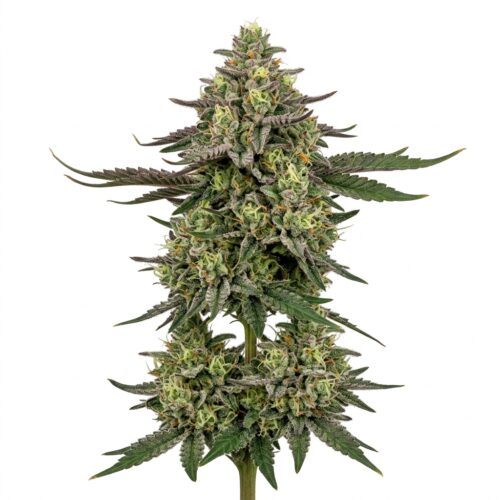
Exhibits slender, pale-to-olive green spear colas interwoven with delicate amber and rust pistils.
Cultivation Accessibility8.2/10
Demonstrates dependable hybrid vigor and high mold resistance due to an airy floral structure, requiring basic canopy support.
Documentation Confidence9.6/10
Universally recognized and documented across independent laboratory databases as the defining Type III CBD cultivar.
Reported flower potentialCannabinoid Overview
THC0.5% – 6%Mature flowers; not seed contentCBD12% – 20%Mature flowers; not seed content
Reported cannabinoid values can vary by phenotype, environment, harvest timing, and testing method.
Genetic relationshipLineage Diagram
Cannatonic
Acdc Cannabis Seeds
Reported aromatic compoundsTerpene Profile
Myrcene
Earthy, herbal, musky cloves
The primary terpene in Acdc, providing a deep, grounding herbal base that defines its classic soothing botanical quality.
Pinene
Fresh pine needles, forest wood
Lends a crisp, clean aromatic lift that brightens the bouquet and creates a brisk woodland sensory impression.
Caryophyllene
Cracked black pepper, warm spice
Adds subtle aromatic warmth and depth while uniquely binding directly to peripheral CB2 receptors.
Cultivation referenceGrow Information
HeightMedium to tallFlowering9–10 weeksClimateWarm, temperate, and dry with consistent ventilationDifficultyModerateYieldModerateStretchModerate stretch during early floweringIndoorSuitableOutdoorSuitableGreenhouseSuitable
Essential cultivar details
Quick Facts
Key genetics, cultivation, and reported characteristics at a glance.
GeneticsPhenotype selection of Cannatonic (MK Ultra x G13 Haze)
Breeder / OriginDr. William Courtney (selection) / Resin Seeds (lineage)
Cultivar Typebalanced hybrid
Seed TypeNot confirmed
PhotoperiodPhotoperiod
Reported THC Potential0.5% – 6%
Reported CBD Potential12% – 20%
Flowering Time9–10 weeks
Plant HeightMedium to tall
StretchModerate stretch during early flowering
DifficultyModerate
Yield CharacteristicsModerate
Indoor SuitabilitySuitable
Outdoor SuitabilitySuitable
Greenhouse SuitabilitySuitable
Climate PreferenceWarm, temperate, and dry with consistent ventilation
Dominant TerpenesMyrcene, Pinene, Caryophyllene
Research ConfidenceHigh
Scientific Overview
Acdc (often styled as AC/DC) represents one of the most chemically significant cultivars in modern cannabis botany. Classified scientifically as a Type III chemovar, it produces high concentrations of cannabidiol (CBD) while suppressing the enzymatic pathway responsible for significant tetrahydrocannabinol (THC) synthesis. In commercial cannabis cultivation and independent laboratory testing, mature uninfused dried flowers of Acdc reliably exhibit a 0.5% – 6% reported mature-flower THC potential and a 12% – 20% reported CBD potential. Rather than delivering a disorienting psychoactive state, the plant’s phytochemical output focuses on a balanced cannabinoid cascade supported by a rich terpene foundation dominated by myrcene, alpha- and beta-pinene, and beta-caryophyllene. Botanically, the plant features a balanced hybrid growth habit with sativa-leaning floral morphology, resulting in open, spear-shaped colas that permit efficient transpiration and light penetration.
Genetics & Lineage
Acdc is historically rooted in the pioneering CBD breeding work of the late 2000s. Rather than being an independent hybrid cross created from seed lines of distinct cultivars, Acdc originated as an exceptional phenotype selected directly from Cannatonic. Cannatonic itself was bred in Spain by Resin Seeds using a pairing of MK Ultra and G13 Haze. While parental Cannatonic seed lines are famous for segregating across diverse chemotypes—often yielding plants with 1:1, 2:1, or even high-THC ratios—Acdc was isolated specifically for its persistent low-THC expression and high CBD-to-THC ratio, often exceeding 20:1. Although popular folklore occasionally suggests ruderalis influence due to its cannabinoid architecture, botanical records document Acdc as a clonal phenotypic selection of Cannatonic. It subsequently served as crucial breeding stock in the creation of renowned cultivars such as Ringo’s Gift (Harle-Tsu x Acdc).
Breeder Background
The isolation of Acdc is credited to Dr. William Courtney, a Northern California physician and researcher advocating for the therapeutic use of unheated, dietary cannabinoids. Courtney selected the cut around 2010–2011 after acquiring Cannatonic seed stock produced by Resin Seeds in Barcelona. Recognizing the unusual trait where the plant remained functional without generating intoxicating levels of THC, he coined the moniker Acdc as an acronym for ‘Alternative Cannabinoid Dietary Cannabis’. The cut quickly proliferated through Northern California medical cannabis networks and early analytical facilities such as Steep Hill Labs and Harborside Health Center, ultimately establishing itself as an international benchmark for Type III medical and therapeutic cannabis.
Botanical Characteristics
In the vegetative and flowering stages, Acdc displays a balanced hybrid structure with clear sativa-dominant morphological influences. The foliage consists of narrow to medium-width serrated leaflets that spread out from long, supple petioles. Internodal spacing is moderately wide, allowing for substantial air circulation through the central canopy. During the transition into the generative phase, plants experience a noticeable stretch, commonly increasing by 50% to 100% of their vegetative height before settling into bud formation. The plant’s branches are relatively slender, meaning external support or trellis netting is typically beneficial once floral clusters begin to gain mass during mid-to-late flowering.
Flower Structure
Unlike modern high-THC commercial hybrids that develop rock-hard, rounded golf-ball nuggets, Acdc produces elongated, spear-shaped colas with an airy to medium density. The calyxes are clustered along extended floral stems, displaying an olive green hue decorated with abundant slender pistils that age from pale yellow to a deep rust orange or amber. Trichome coverage is fine and evenly distributed; rather than coating the calyxes in a thick, wet, greasy resin mat, the glandular heads appear as a delicate, matte sugar glaze across the floral bracts and small sugar leaves. This looser floral density serves an evolutionary benefit by reducing microclimate humidity within the colas and minimizing mold vulnerability.
Aroma & Flavor Profile
The olfactory character of Acdc is distinctively botanical, refreshing, and clean. Freshly broken flowers release a crisp burst of pine needles and damp earth, supported by sweet herbal undertones reminiscent of crushed rosemary, sage, and sweet lemongrass. Dominant concentrations of myrcene establish an earthy foundation, while high levels of alpha- and beta-pinene provide an uplifting evergreen quality. Upon vaporization or gentle heating, the flavor mirrors the aroma with pronounced notes of fresh wood, herbal tea, and subtle citrus zest, finishing with a mild peppery bite attributable to secondary beta-caryophyllene.
Cultivation Overview
Cultivating Acdc is generally ranked at a moderate difficulty level. The cultivar displays strong hybrid vigor, but its slender branching and vertical stretch demand proactive canopy management. Because Acdc synthesizes high levels of CBD rather than heavy amounts of THC, growers do not need to push extreme electrical conductivity (EC) or excessive nitrogen levels. A balanced, moderate nutritional program supports steady cell wall development without causing nutrient burn or excessive foliar elongation. The cultivar responds exceptionally well to low-stress training (LST) and early topping, which redirect energy across multiple even colas rather than a single tall main stem.
Indoor Considerations
In controlled indoor environments, Acdc typically finishes its flowering cycle in 9 to 10 weeks (63 to 70 days). Maintaining relative humidity around 55% to 65% in vegetative growth and reducing it to 45% to 50% during the late flowering stage provides ideal transpiration dynamics. Because the cultivar tends to stretch during the first three weeks of 12/12 photoperiod lighting, installing a SCROG (Screen of Green) mesh or bamboo stakes helps manage vertical growth and supports branch weight as colas elongate. Adequate horizontal airflow via oscillating fans prevents stagnant microclimates within the open canopy.
Outdoor Considerations
When grown outdoors, Acdc flourishes in temperate, warm, and dry Mediterranean-style climates with ample sunlight exposure. Harvest timing in the Northern Hemisphere typically occurs in October. The cultivar’s natural airy bud architecture gives it a distinct advantage in regions prone to autumn morning dew or late-season showers, as moisture evaporates more readily than it does from dense indica colas. However, prolonged cold or sustained heavy rain can delay maturation and degrade trichome heads. Providing windbreaks and staking is essential to safeguard its flexible branches against strong late-season gusts.
Phenotype Variation
Because authentic Acdc originated as a singular clonal cutting from Cannatonic, true vegetative cuts display virtually identical morphology and cannabinoid profiles. However, when working with seed products derived from self-pollinated S1 lines or backcrosses, minor phenotypic variations can emerge. Most progeny reliably maintain the target Type III profile, but slight shifts in stretch height, internodal spacing, and citrus-versus-pine terpene intensity may occur. Cultivators seeking specific cannabinoid consistency should note that mature-flower potency remains centered around 0.5% – 6% reported mature-flower THC potential and 12% – 20% reported CBD potential, with minimal divergence from its non-intoxicating nature.
Frequently Asked Questions
What is the typical cannabinoid potential of Acdc mature flowers?
Laboratory testing and cultivar profiles report a 0.5% – 6% reported mature-flower THC potential and a 12% – 20% reported CBD potential in uninfused dried flower, consistently displaying a non-intoxicating Type III profile.
What is the genetic lineage behind Acdc?
Acdc is a high-CBD, low-THC phenotype selection of Cannatonic, which was originally developed by Resin Seeds from a cross of MK Ultra and G13 Haze.
How long does Acdc take to flower indoors?
Under an indoor photoperiod schedule of 12 hours of light and 12 hours of darkness, Acdc completes flowering in approximately 9 to 10 weeks.
Why are Acdc buds less dense than typical commercial strains?
Acdc produces elongated, airy-to-medium density spear colas, a botanical trait that promotes airflow and reduces susceptibility to moisture issues during late flowering.
What are the primary terpenes found in Acdc?
Laboratory assays establish that Acdc is dominated by myrcene, followed closely by pinene and caryophyllene, producing a refreshing pine, earthy, and herbal aroma.
Decision supportCompare Similar Genetics
Characteristic
Acdc
Cannatonic
Genetic Origin
Phenotypic high-CBD selection of Cannatonic
MK Ultra x G13 Haze bred by Resin Seeds
Reported Mature-Flower THC
0.5% – 6%
Reported 4% to 15% (varies significantly by individual phenotype)
Reported Mature-Flower CBD
12% – 20%
Reported 6% to 17% (often expresses 1:1 or 2:1 ratios)
Flowering Time
9–10 weeks
9–10 weeks
Floral Density
Airy to medium-density elongated spears
Medium to dense round clusters
Aroma Profile
Earthy pine, herbal sage, and sweet citrus peel
Earthy wood, citrus diesel, and mild sweetness
Comparison is informational and reflects reported cultivar-level data; phenotype and growing conditions can change results.
Ready to choose?
Cultivate Legendary CBD Excellence with Acdc
Whether establishing a specialized wellness garden or selecting parental stock for low-THC breeding, Acdc offers documented stability, an unmistakable pine-and-citrus aroma, and a predictable 0.5% – 6% reported mature-flower THC potential alongside 12% – 20% reported CBD potential. Integrate this historic Cannatonic selection into your grow space today.
Cannabis seeds are sold as collectible genetic preservation specimens and novelty souvenirs in compliance with applicable laws. Cannabinoid values refer exclusively to the reported potential of mature, uninfused dried flowers grown under ideal conditions and do not describe the seeds themselves. Cultivation laws vary by jurisdiction; growers are responsible for verifying local legal compliance prior to germination.
Additional information
Packs
5 Seeds, 10 Seeds, 25 Seeds
Reviews
There are no reviews yet.
Be the first to review “Acdc Cannabis Seeds” Cancel reply





Reviews
There are no reviews yet.