
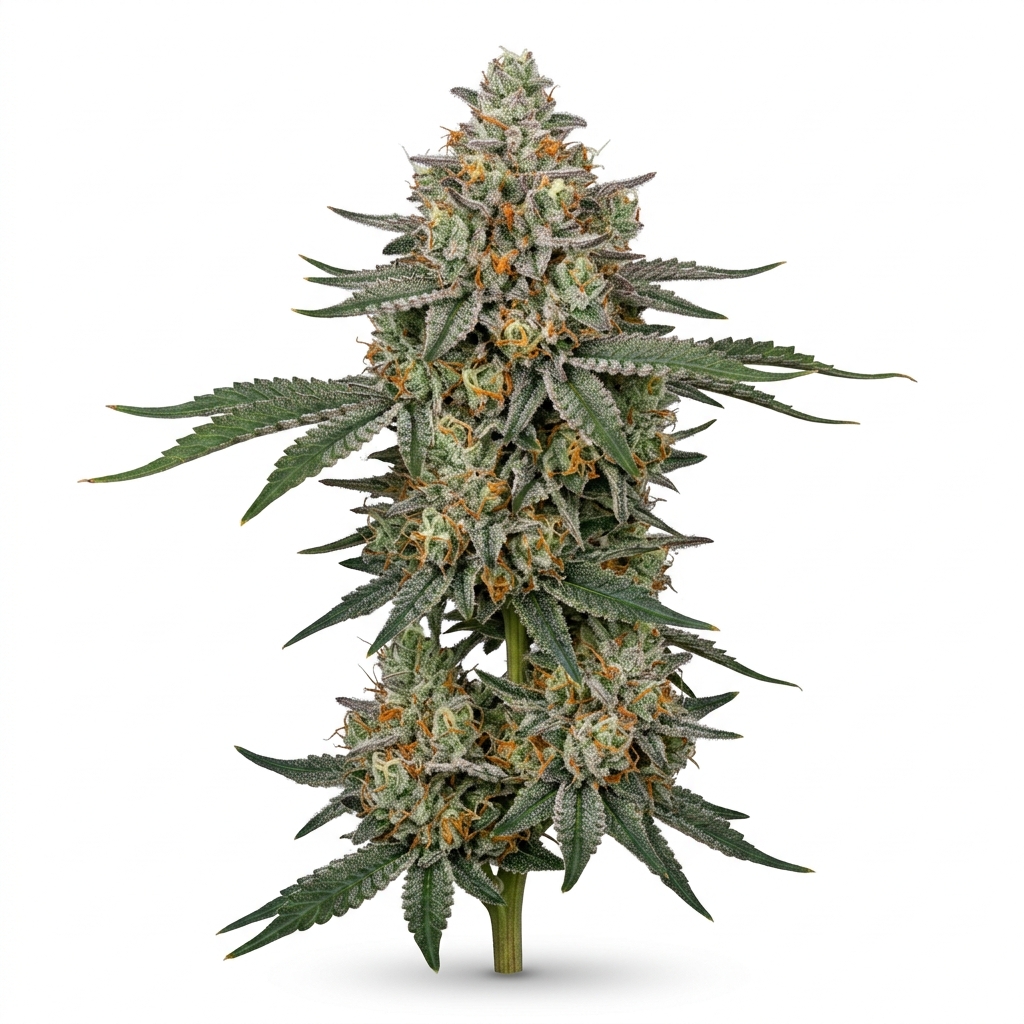
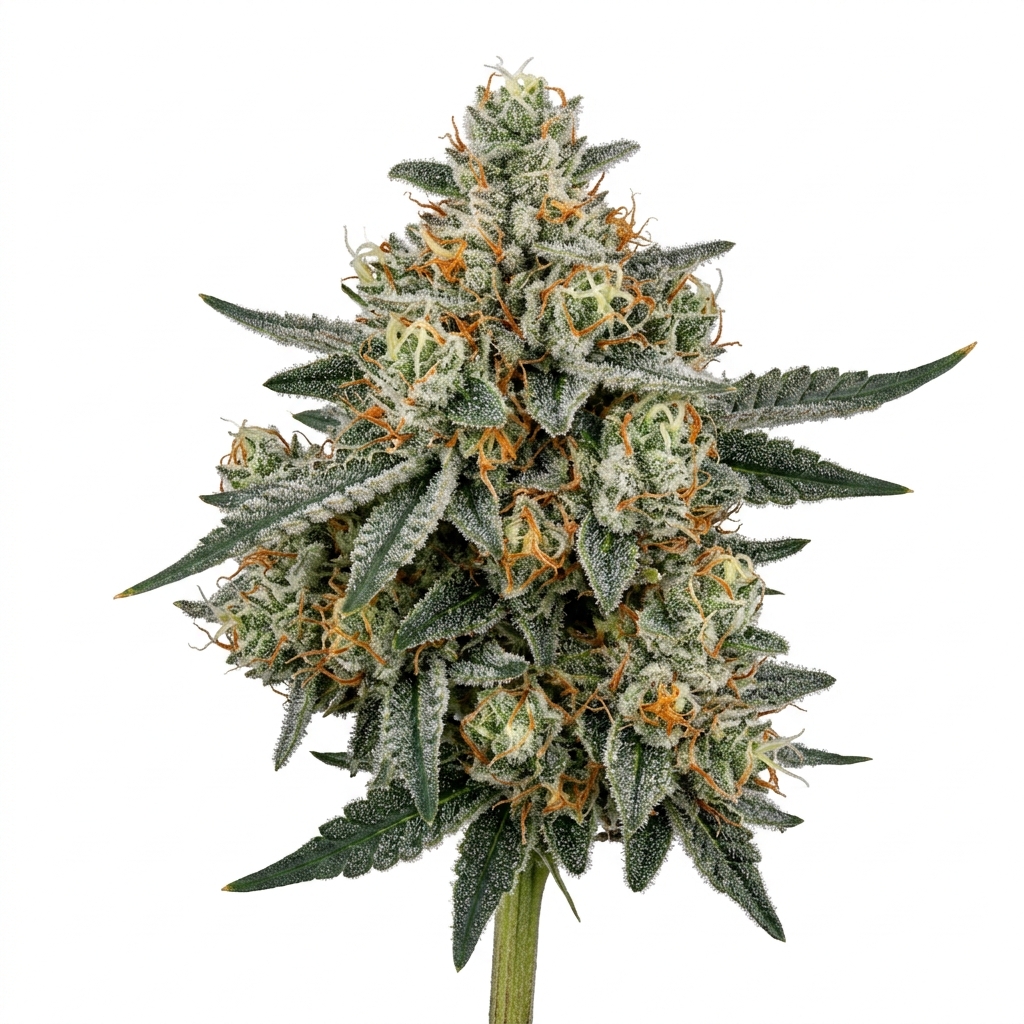
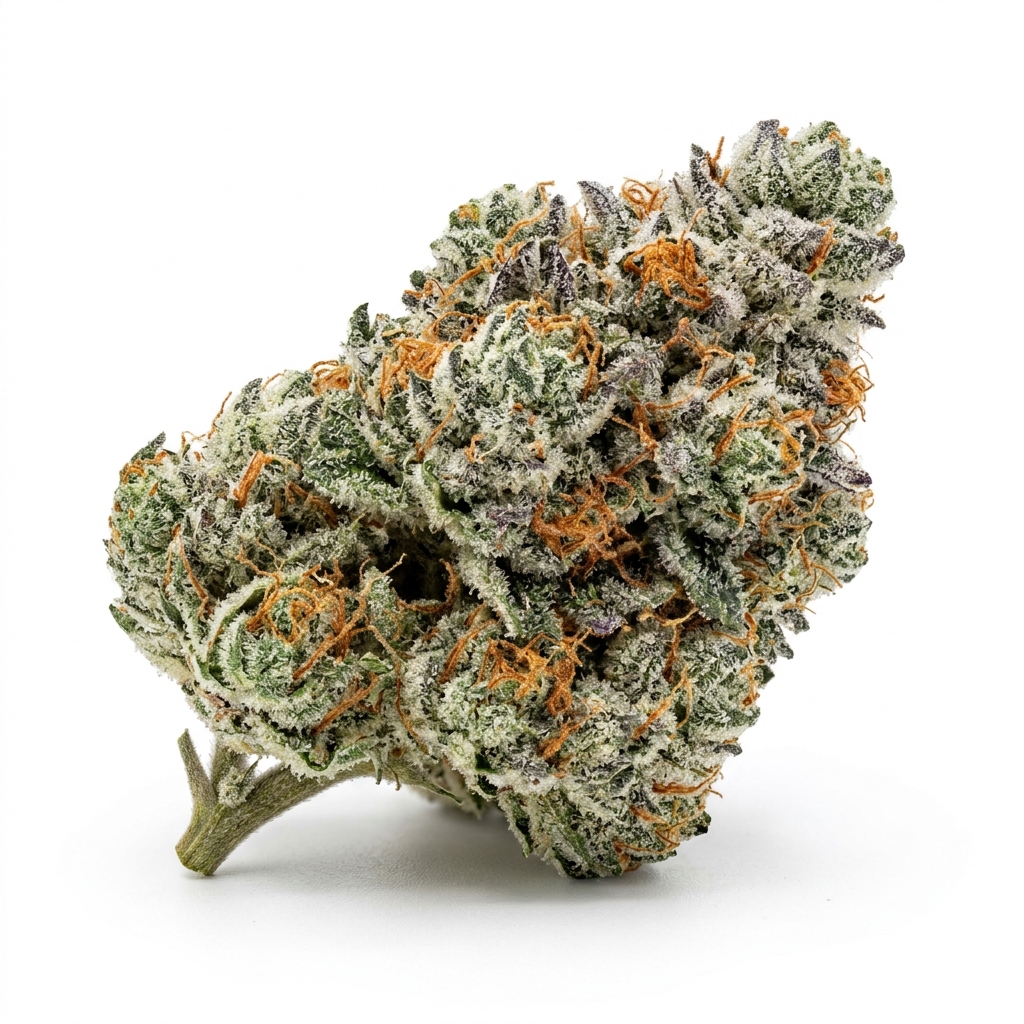
White Cherry is a highly sought-after hybrid cannabis cultivar celebrated for its exquisite dessert-like aroma and stunning resin production. Although multiple genetic variations exist, the most widely documented lineage is a cross between Cherry OG and The White, resulting in an indica-dominant profile with a 20% THC potential. Cultivators appreciate White Cherry for its manageable medium height of 80 to 150 centimeters, an efficient 8-to-9-week indoor flowering phase, and moderate to high yields of exceptionally frosty buds. The flowers exude a complex bouquet of sweet ripe cherries, berries, and subtle earthy undertones. This robust plant is suitable for indoor, outdoor, and greenhouse environments, making it a versatile choice for growers of all experience levels.
White Cherry Cannabis Seeds
Price range: $65.00 through $240.00
Description
AI Editorial Cultivar Score7.8/10
Highly Recommended Craft Selection
Editorial assessment for comparison only; not a laboratory result or product guarantee.
Aroma Complexity8.5/10
Offers a rich combination of sweet cherries, berries, and spicy, earthy undertones.
Resin Potential8.2/10
Inherits heavy trichome production from the 'White' lineage, making it ideal for concentrate enthusiasts.
Visual Appeal8.0/10
Stunning pale and dark green buds adorned with thick orange pistils and a heavy coat of white trichomes.
Cultivation Accessibility7.5/10
Relatively easy to grow, adaptable to multiple environments, but requires basic canopy management.
Documentation Confidence7.0/10
Though highly popular in flower form, detailed seed-specific records are split across multiple lineages.
Reported flower potentialCannabinoid Overview
Reported cannabinoid values can vary by phenotype, environment, harvest timing, and testing method.
Genetic relationshipLineage Diagram
Cherry OG
The White
White Cherry Cannabis Seeds
Reported aromatic compoundsTerpene Profile
Myrcene
Earthy, musky, and herbal
The most common terpene in cannabis, myrcene provides a deep earthy base and is linked to the soothing physical properties of the cultivar.
Caryophyllene
Spicy, peppery, and woody
This terpene adds a sharp, warm spice to the aroma and interacts directly with cannabinoid receptors to enhance physical relaxation.
Limonene
Citrus, bright, and sweet
Limonene contributes a sweet, uplifting citrus note that balances the heavier earthy scents of the profile.
Cultivation referenceGrow Information
Essential cultivar details
Quick Facts
Key genetics, cultivation, and reported characteristics at a glance.
GeneticsCherry OG x The White (most commonly reported; alternatives include White Widow x Cherry Pie or Mother of All Cherries x White Nightmare Bx1)
Breeder / OriginNot specified — verify before publishing
Cultivar Typeindica-dominant hybrid
Seed TypeAvailable as Feminized, Autoflower & Regular
PhotoperiodPhotoperiod
Reported THC Potential18% – 26.8%
Reported CBD PotentialUnder 1%
Flowering Time8 to 9 weeks
Plant Height80 – 150 cm indoors, potentially exceeding 150 cm outdoors
StretchModerate
DifficultyEasy to Intermediate
Yield CharacteristicsModerate to high yields, typically 400-550 g/m² indoors and moderate yields outdoors.
Indoor SuitabilityYes
Outdoor SuitabilityYes
Greenhouse SuitabilityYes
Climate PreferenceTemperate, warm, and Mediterranean-style climates
Dominant TerpenesMyrcene, Caryophyllene, Limonene
Research ConfidenceHigh
Scientific Overview
White Cherry represents a modern hybrid cannabis chemotype characterized by its high-THC, low-CBD potential and its rich, dessert-like volatile organic compound profile. From a botanical standpoint, this cultivar is most frequently classified as an indica-dominant hybrid, although its balanced growth architecture showcases traits from both ancestral lineages. The scientific complexity of White Cherry stems from the existence of multiple parallel breeding efforts. While the dominant cultivar in the marketplace is widely recognized as a cross between Cherry OG and The White, alternative versions utilize White Widow, Cherry Pie, or proprietary selections like Mother of All Cherries. Across these variations, the chemical signature remains consistently high in THC (frequently testing between 18% and 26.8%) while maintaining negligible CBD concentrations. The secondary metabolite profile is dominated by a complex terpene matrix that drives its rich scent and contributes to its overall physiological profile through synergistic interaction with cannabinoids.
Genetics & Lineage
The lineage of White Cherry is a fascinating subject of study, reflecting the decentralized nature of boutique cannabis breeding. The most broadly recognized and commercially available version of White Cherry is an indica-leaning cross of Cherry OG and The White. Cherry OG, a descendant of Cherry Thai, Afghani, and Lost Coast OG, provides a deeply sweet, stone-fruit profile combined with sturdy hybrid structures. The White, on the other hand, is a legendary clone-only cultivar renowned not for its aroma, but for its jaw-dropping trichome density and structural robustness. When combined, these parents produce a cultivar that balances the flavor-first priority of Cherry OG with the dense resin production of The White. However, growers should note other documented lineages: some seed banks list White Cherry as a blend of White Widow and Cherry Pie, while the breeder Meraki Genetics has created a boutique iteration by crossing Mother of All Cherries with Sin City Seeds’ White Nightmare Bx1. These parallel lines make verifying specific seed source genetics essential.
Breeder Background
Due to the decentralized evolution of the White Cherry name, multiple breeders have contributed to the genetic pool. Crop King Seeds and Vancouver Seed Bank have popularized the Cherry OG x The White version in the commercial seed market, highlighting its user-friendly growth cycle and balanced hybrid traits. Meanwhile, boutique breeders like Meraki Genetics have elevated the cultivar in artisanal circles with crosses such as Mother of All Cherries x White Nightmare Bx1, which sits alongside elite cherry-forward lines in genealogical databases. Terpethic is also noted for developing a closely related ‘White Cherry Kush’ line, emphasizing deeply sedative indica traits. Because no single breeder holds an exclusive, globally recognized trademark on the name, the historical origin of the very first White Cherry cut remains somewhat obscure, and individual seed products must be verified for their specific breeder origin.
Botanical Characteristics
Botanically, White Cherry displays a medium, bushy morphology that reflects its hybrid lineage. The plant is characterized by strong lateral branching and moderate internodal spacing, which supports its heavy flower development. Leaves are broad and dark green, showing classical indica-dominant traits, though some phenotypes may display narrower leaflets reflecting sativa ancestry. The plants are robust and highly adaptable, showing strong resistance to common environmental fluctuations. On average, the vegetative stretch is moderate, allowing cultivators to easily manage canopy heights. In indoor environments, plants typically reach a manageable height of 80 to 150 centimeters, whereas outdoor specimens grown in full sun can stretch well beyond 150 centimeters. As with all cannabis cultivars, final morphological expression and growth rates vary significantly based on environmental conditions, soil composition, and specific cultivation practices.
Flower Structure
The flower structure of White Cherry is one of its most visually compelling features. It yields medium-to-large, oversized buds that are exceptionally dense and sticky to the touch. The base coloration of the mature flowers is a striking pale-to-dark green, which is heavily contrasted by a dense network of thick, vine-like, fiery orange pistils. The defining characteristic of these buds is their extraordinary layer of trichomes. Inherited from ‘The White’ lineage, a thick, sparkling blanket of capitate-stalked resin glands covers every bract and sugar leaf, giving the dried flower an icy, sugar-coated, almost pure white appearance. In certain phenotypes, and particularly when exposed to cooler nighttime temperatures during late flowering, the buds can also express deep purple hues beneath their frosty canopy, adding substantial aesthetic appeal.
Aroma & Flavor Profile
The olfactory and gustatory experience of White Cherry is highly complex and a primary driver of its popularity. Upon opening a cured container, the room is immediately filled with a dominant, sweet aroma of ripe cherries and fresh forest berries. This initial fruit explosion is quickly followed by deeper, more intricate layers of herbal and earthy undertones, with subtle hints of pine, lavender, and citrus (such as lemon and lime). When consumed, the flavor profile closely mirrors this aromatic bouquet. Users experience a sweet, sugarcane-like cherry taste on the inhale, which is beautifully tempered by a creamy, slightly chocolatey, and smooth herbal-earthy finish on the exhale. This multi-layered profile makes the cultivar a favorite for flavor-focused connoisseurs and extraction artists alike.
Cultivation Overview
Cultivating White Cherry is a highly rewarding endeavor that is generally accessible to growers of all skill levels, from beginners to seasoned horticulturists. Thanks to its robust genetics, the plant is relatively forgiving of minor feeding errors and environmental fluctuations. Performance varies depending on the specific medium used, but it thrives in both organic soil and hydroponic setups. To maximize yield and optimize flower development, growers are encouraged to employ standard training techniques. Low-Stress Training (LST) and topping during the vegetative phase are highly effective at promoting a flat, even canopy. Due to the density of the mature buds, maintaining proper humidity and maximizing airflow through regular canopy pruning and defoliation are essential practices to safeguard the crop during the late flowering stage.
Indoor Considerations
In indoor environments, White Cherry behaves as a highly efficient and space-conscious plant. Cultivators can expect an indoor flowering time of approximately 8 to 9 weeks (56 to 63 days). Under high-quality LED or HPS grow lights and a strictly managed 12/12 photoperiod, the cultivar responds with excellent lateral development and dense bud stacking. Given its mature height of 80 to 150 cm, it is highly suitable for smaller grow tents or multi-tier setups. Maintaining relative humidity (RH) between 40% and 50% during the final weeks of flower is critical to prevent moisture entrapment within the dense colas. With proper environmental control, indoor yields range between 400 and 550 grams per square meter.
Outdoor Considerations
When grown outdoors, White Cherry requires a warm, dry, and sunny environment, thriving best in Mediterranean-style climates. With unrestricted root space, the plants can grow into large, robust bushes exceeding 150 centimeters in height. It is highly beneficial to provide structural support, such as trellising or cages, to help the branches bear the weight of the dense, resin-heavy colas as they mature. The outdoor harvest window typically lands in mid-to-late October in the Northern Hemisphere. Growers in regions with early autumn rains must monitor the dense colas closely or utilize temporary shelter to protect the flowers from excessive moisture as harvest approaches.
Phenotype Variation
Due to the multiple distinct genetic lines circulating under the White Cherry name, growers should anticipate a notable degree of phenotype variation unless working with a highly stabilized, single-breeder seed batch. In seeds derived from Cherry OG x The White, phenotypes generally split between Kush-dominant expressions—characterized by a muskier, gassier aroma and a highly sedative physical structure—and fruit-dominant expressions that emphasize sweet cherry terpenes and a slightly more uplifting, cerebral quality. Purple color expression also varies; some phenotypes remain vibrant green throughout their cycle, while others react strongly to cold temperatures by shifting to deep plum and violet hues. Resin production remains consistently high across almost all observed phenotypes.
Frequently Asked Questions
What is the genetic origin of White Cherry?
The most widely documented lineage is a cross between Cherry OG and The White. However, other versions exist in the market, including a cross of White Widow and Cherry Pie, as well as Meraki Genetics’ boutique cross of Mother of All Cherries and White Nightmare Bx1.
How long does it take for White Cherry to flower?
White Cherry typically has an indoor flowering time of 8 to 9 weeks (56 to 63 days). Outdoor crops are usually ready for harvest by mid-to-late October.
Is White Cherry suitable for beginner growers?
Yes, White Cherry is generally considered easy to intermediate to grow due to its robust nature, moderate stretch, and high adaptability. However, because of its dense bud structure, careful humidity control in late flowering is recommended.
What does the White Cherry strain smell and taste like?
It features a rich, sweet aroma of ripe cherries and fresh berries, complemented by earthy, spicy, and subtle citrus undertones. On the exhale, it delivers a smooth, sweet, and slightly creamy flavor.
What are the typical yields of White Cherry?
Indoors under optimal lighting and canopy management, White Cherry yields around 400 to 550 grams per square meter. Outdoors, it delivers moderate-to-high yields depending on plant size and climate.
Disclaimer
Cannabis genetics are highly variable, and final plant performance, cannabinoid potential, and terpene profiles are heavily dependent on environmental factors, grower skill, and cultivation techniques. This overview is intended for educational and informational purposes only. Readers must comply with all local, state, and national laws regarding the acquisition, possession, and cultivation of cannabis seeds.
Additional information
| Packs | 5 Seeds, 10 Seeds, 25 Seeds |
|---|



Reviews
There are no reviews yet.