
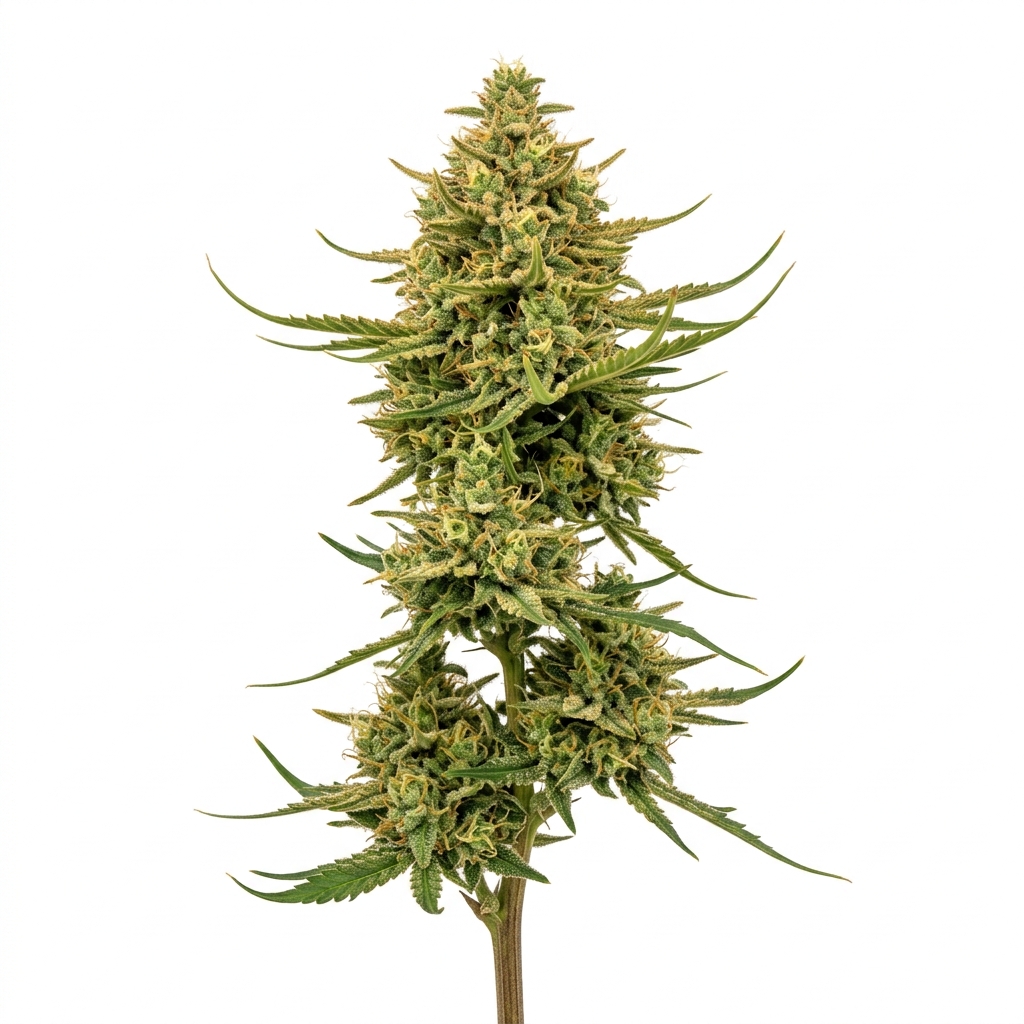
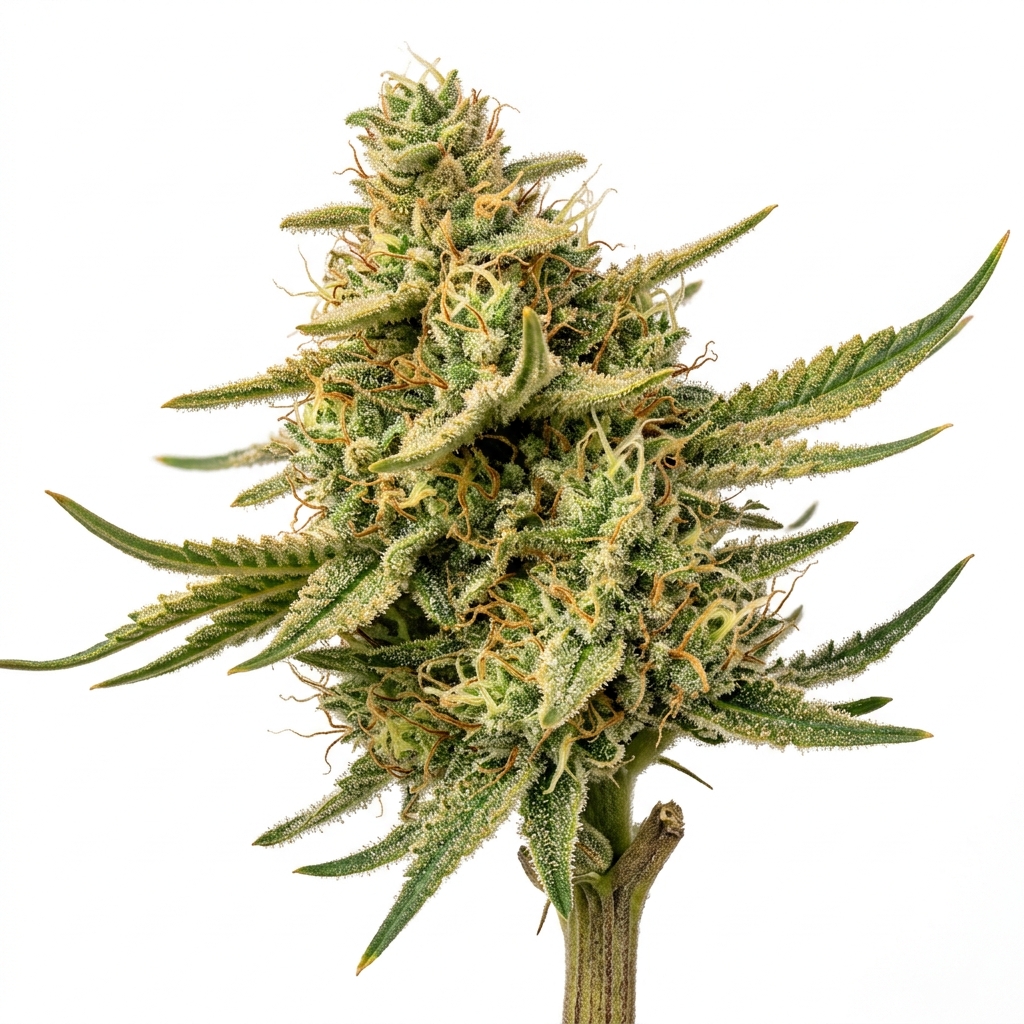
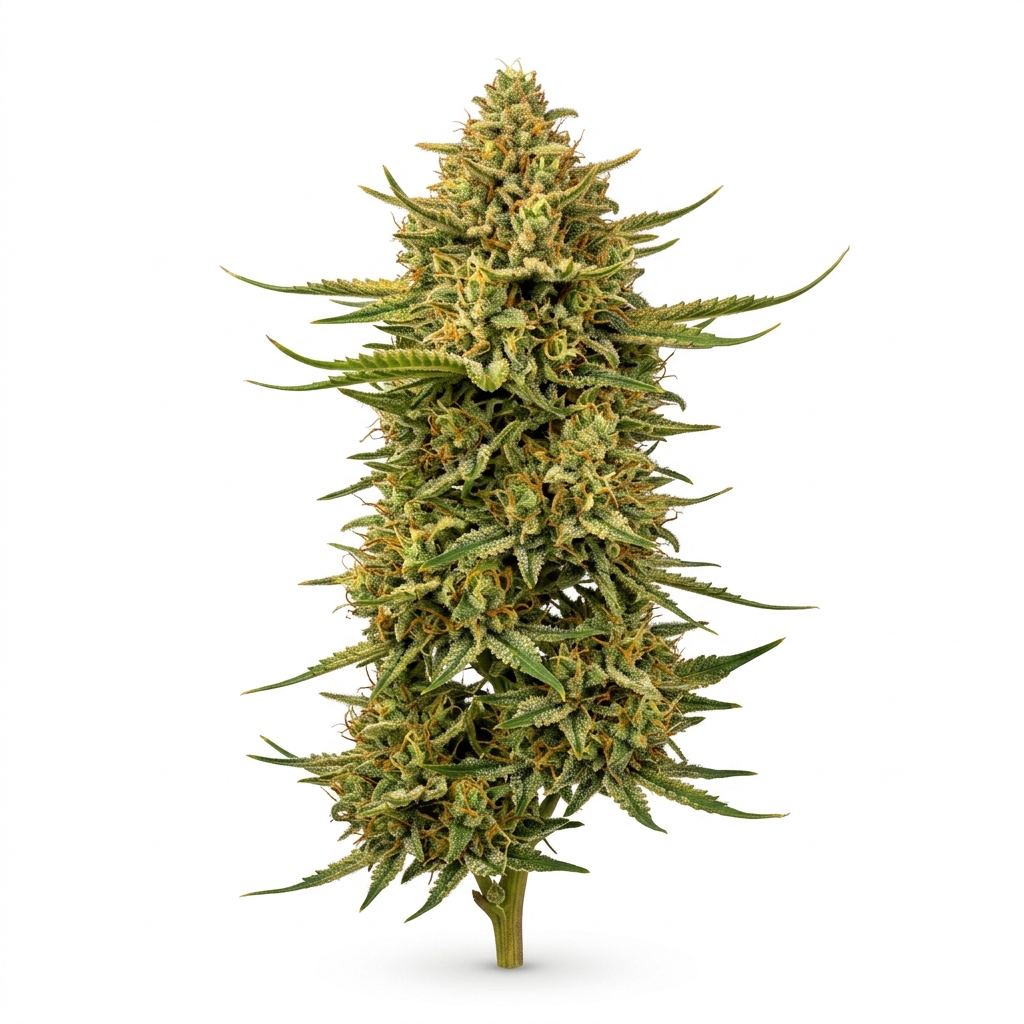
Ginger Tea is a distinctive sativa-dominant hybrid bred by the renowned Archive Seed Bank. Formed by crossing a 2005 Pure Thai landrace with the robust Face Off OG, and subsequently pollenating with Moonbow #75 (Zkittlez x Do-Si-Dos), this cultivar showcases an intricate heritage. Cultivators can expect moderate to high stretch during pre-flower and a moderate plant height, yielding dense buds with pale gold resin. Its profile delivers an unusual fusion of spicy ginger, cardamom, and lemongrass, accented by a gassy backend. With a flowering cycle averaging 60 to 63 days, Ginger Tea offers a highly robust yield potential under skilled hands. Mature flowers are noted to test around 23% to 26% THC. This botanical-grade cultivar is suited for indoor, outdoor, and greenhouse cultivation, representing a refined blend of landrace vigor and contemporary elite genetics.
Ginger Tea Cannabis Seeds
Price range: $65.00 through $240.00
Description
AI Editorial Cultivar Score8.2/10
Exceptional Specialty Cultivar
Editorial assessment for comparison only; not a laboratory result or product guarantee.
Aroma Complexity8.8/10
An unusual and sophisticated terpene combination resembling fresh ginger, cardamom, and sweet curry with a gassy, lemongrass finish.
Resin Potential8.5/10
Produces a dense, shimmering coating of trichomes that yields high-quality concentrates and water hash.
Visual Appeal8.2/10
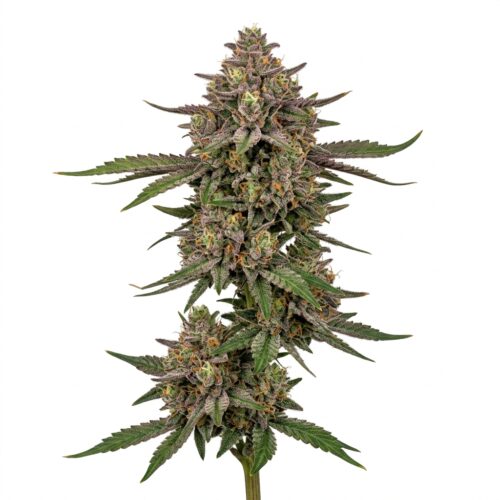
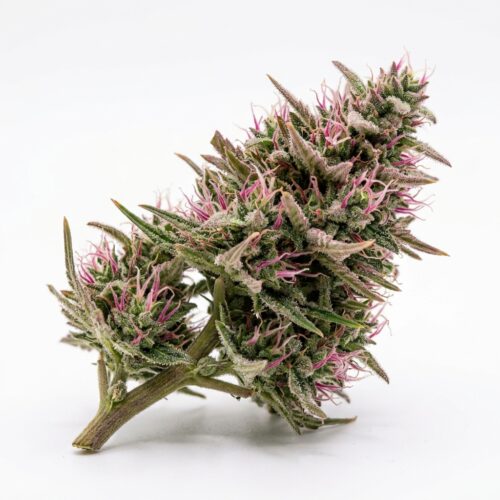
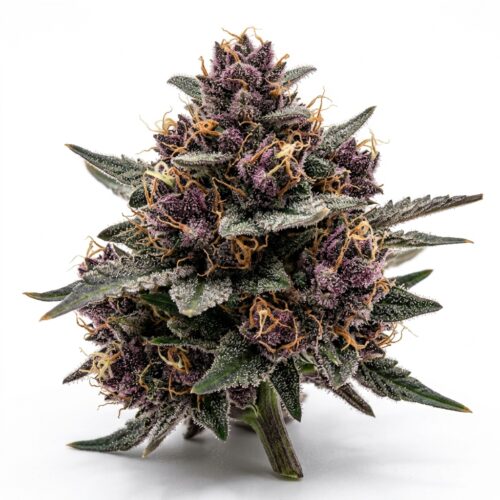
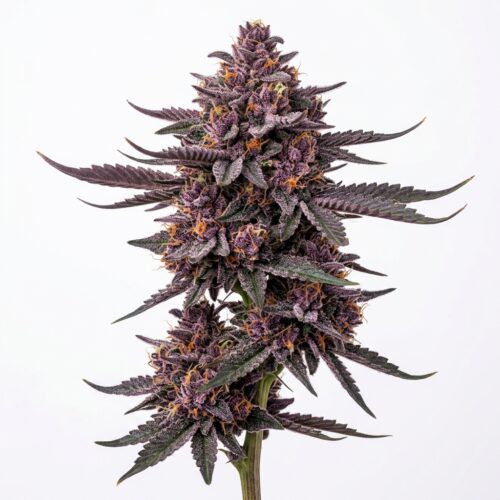
Features dense, vibrant green buds coated in pale gold resin glands with classic lateral branch structure.
Cultivation Accessibility7.5/10
Relatively straightforward to grow but requires some experience with nutrient management and pre-flower stretch control.
Documentation Confidence8.0/10
Well-documented genetics from Archive Seed Bank with multiple verified grow reports and lab certificates.
Reported flower potentialCannabinoid Overview
Reported cannabinoid values can vary by phenotype, environment, harvest timing, and testing method.
Genetic relationshipLineage Diagram
Pure Thai
Face Off OG
Moonbow #75
Ginger Tea Cannabis Seeds
Reported aromatic compoundsTerpene Profile
Nerolidol
Woody, floral, citrus, apple
A versatile terpene that contributes a sweet, slightly woody undertone and is often associated with relaxing effects [1.1.8].
Caryophyllene
Spicy, peppery, woody, clove
The only terpene known to directly interact with cannabinoid receptors, providing a spicy, warm kick that supports the ginger profile.
Linalool
Floral, lavender, sweet, spicy
Commonly found in lavender, it lends a soothing herbal quality to the flower's complex tea-like nose.
Cultivation referenceGrow Information
Essential cultivar details
Quick Facts
Key genetics, cultivation, and reported characteristics at a glance.
Genetics(Pure Thai x Face Off OG) x Moonbow #75
Breeder / OriginArchive Seed Bank
Cultivar Typesativa-dominant hybrid
Seed TypeAvailable as Feminized, Autoflower & Regular
PhotoperiodPhotoperiod
Reported THC Potential23% – 26%
Reported CBD PotentialNot confirmed
Flowering Time60 – 63 days
Plant HeightMedium to tall
StretchModerate to high stretch during pre-flower
DifficultyModerate
Yield CharacteristicsAbove average; leaning toward generous with canopy pruning
Indoor SuitabilityYes
Outdoor SuitabilityYes
Greenhouse SuitabilityYes
Climate PreferenceTemperate with optimal airflow and humidity control
Dominant TerpenesNerolidol, Caryophyllene, Linalool
Research ConfidenceHigh
Scientific Overview
Ginger Tea is a complex, sativa-dominant hybrid cultivar engineered through the deliberate crossing of landrace genetics with contemporary elite lines. Genetically structured as an F1 hybrid of a Thai landrace outcross and a highly backcrossed OG and cookie lineage, the cultivar exhibits hybrid vigor combined with rapid, structured flower development. Scientifically, its terpene profile showcases high levels of nerolidol and beta-caryophyllene, which deviate from typical myrcene-heavy hybrid profiles, producing its signature ginger and herbal aroma. This unique terpene expression, coupled with a robust mature-flower THC potential that ranges from 23% to 26%, results in an uplifting, clear-headed, and physically grounding experience.
Genetics & Lineage
The genetic foundation of Ginger Tea lies in a three-way cross developed by Archive Seed Bank. The breeding project began by crossing a classic 2005 Pure Thai landrace with Archive’s foundational Face Off OG. This hybrid was subsequently crossed with Moonbow #75, a highly sought-after cultivar bred from Zkittlez and Do-Si-Dos. This lineage brings together the raw, cerebral energy and lateral stretching structure of the Southeast Asian Thai landrace, the classic heavy resin and structural strength of the Hindu Kush-derived Face Off OG, and the sweet, complex terpene profile of the modern Moonbow line.
Breeder Background
Archive Seed Bank, founded in the early 2000s by the breeder ‘ThaDocta’, is highly respected within the cannabis industry for its dedication to genetic preservation and heirloom clone lines. Operating out of the Pacific Northwest, Archive has been instrumental in preserving and sharing verified OG Kush cuts, most notably Face Off OG. Their Moonbow breeding projects have yielded numerous award-winning hybrids, making them a premier source for high-resin, terpene-forward cannabis genetics globally.
Botanical Characteristics
Botanically, Ginger Tea displays traits characteristic of its sativa-dominant heritage, exhibiting medium-to-tall growth with elegant lateral branching and open node spacing. The plants show a notable pre-flower stretch, requiring early training or topping to manage heights indoors. The leaves are typically narrow-fingered, expressing sativa morphology, while the plant responds well to steady, balanced nutrition and high-intensity lighting. Air circulation is vital to prevent moisture buildup within the dense canopy.
Flower Structure
The mature flower structure of Ginger Tea consists of elongated, moderately dense buds. The bracts and calyxes are heavily coated in capitate-stalked trichomes, which take on a distinctive pale gold or amber coloration at peak ripeness, giving the buds a shimmering, golden-hued appearance. The resin production is highly abundant, extending to the surrounding sugar leaves and making it an exceptional candidate for solventless extraction.
Aroma & Flavor Profile
Ginger Tea’s sensory profile is arguably its most defining feature, offering a pungent bouquet that lives up to its namesake. The aroma blends warm, spicy notes of fresh ginger, cardamom, and sweet curry with a zassy, gassy lemongrass finish. On the palate, the smoke or vapor delivers a zesty flavor of spiced ginger tea and sweet herbs, followed by a subtle, sweet bubblegum-like snap and lingering, earthy Kush undertones on the exhale.
Cultivation Overview
Cultivating Ginger Tea requires a moderate level of experience due to its vigorous vegetative growth and significant stretch during the transition to flower. Performance will vary depending on specific phenos and growing environments. It adapts exceptionally well to Sea of Green (SOG) or Screen of Green (ScrOG) setups, which help manage its height and maximize canopy light penetration. Pruning or lollipoping the lower branches is highly recommended to encourage energy transfer to the top colas.
Indoor Considerations
Indoors, Ginger Tea thrives in well-ventilated rooms with relative humidity (RH) kept around 50-55% during early flower, tapering down to 40% in the final weeks. The cultivar responds favorably to high-intensity LED or HPS lighting. Given its 60 to 63-day flowering period, maintaining a steady, moderate nutrient regimen without overfeeding nitrogen in late veg is key to preventing excessive vertical stretch.
Outdoor Considerations
In an outdoor setting, Ginger Tea prefers a warm, dry, and temperate climate with plenty of sunlight and natural wind. Its open branch structure allows for excellent airflow, reducing the risk of mold, but its dense flower development still requires protection from late-season heavy rains. It is usually ready for harvest by early to mid-October in the Northern Hemisphere.
Phenotype Variation
Growers can expect some phenotypic variation, primarily in height, stretching capacity, and terpene emphasis. Some phenotypes closely resemble the Pure Thai parent, displaying a taller structure and prominent lemongrass aromas with a gassy backend. Other phenotypes lean toward the Moonbow parentage, exhibiting slightly tighter node spacing and a sweeter, more fruit-forward scent profile. Two common phenotypes, often referred to by growers as twin phenotypes, express a highly stable ginger and lemongrass profile.
Frequently Asked Questions
What is the genetic lineage of Ginger Tea?
Ginger Tea is a complex sativa-dominant hybrid bred by Archive Seed Bank, created by crossing (Pure Thai x Face Off OG) with Moonbow #75 [1.1.6].
How long does it take for Ginger Tea to flower?
This cultivar typically has an indoor flowering time of approximately 60 to 63 days (about 8.5 to 9 weeks).
What does the Ginger Tea strain smell and taste like?
It offers a unique, savory-sweet profile featuring notes of fresh ginger, cardamom, sweet curry, and lemongrass, rounded out by a gassy, earthy Kush finish and a faint bubblegum sweetness.
Is Ginger Tea easy to grow?
Ginger Tea is considered moderately difficult to cultivate. It requires some experience to manage its significant pre-flower stretch and to ensure adequate airflow through its dense canopy.
What is the reported THC potential of Ginger Tea?
Mature flowers of this cultivar have been reported to test between 23% and 26% THC under optimal cultivation conditions.
Disclaimer
Cannabis seeds are sold strictly as collectible adult souvenirs. It is crucial to verify the specific seed product type (such as feminized, regular, or autoflower) and package authenticity with your retailer before purchase. Germination and cultivation of cannabis seeds are subject to local laws and regulations; check state and federal guidelines before attempting to grow. Cannabinoid and terpene potential refer to mature flowers grown under optimal conditions, and actual cultivation results will vary.
Additional information
| Packs | 5 Seeds, 10 Seeds, 25 Seeds |
|---|




Reviews
There are no reviews yet.