
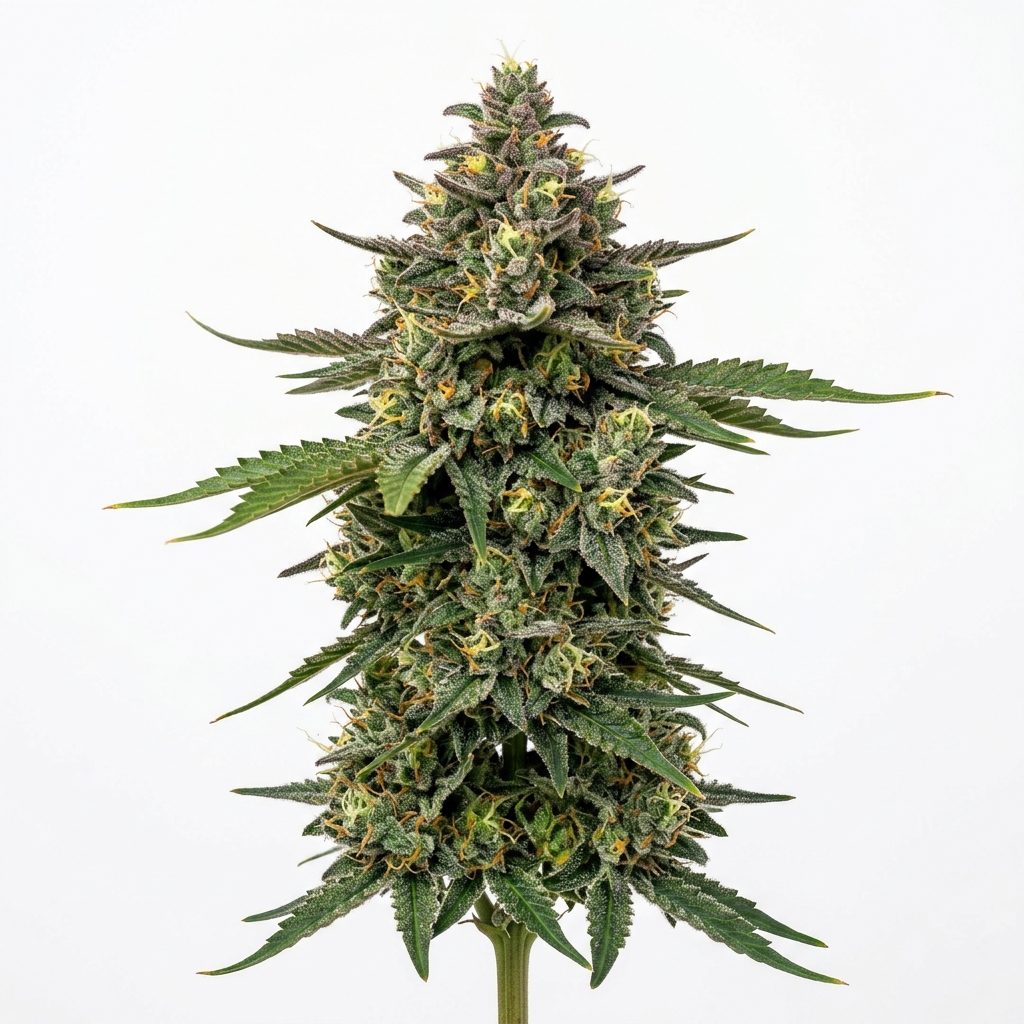
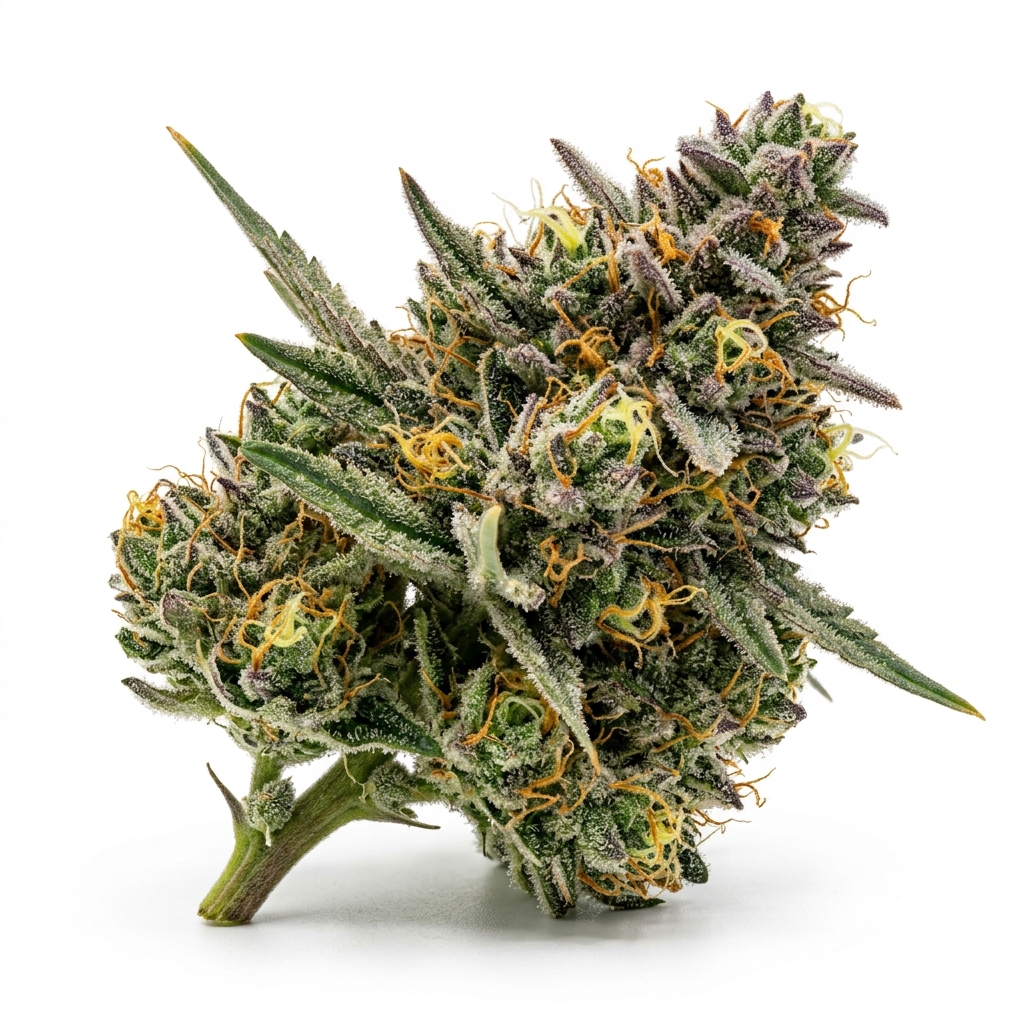
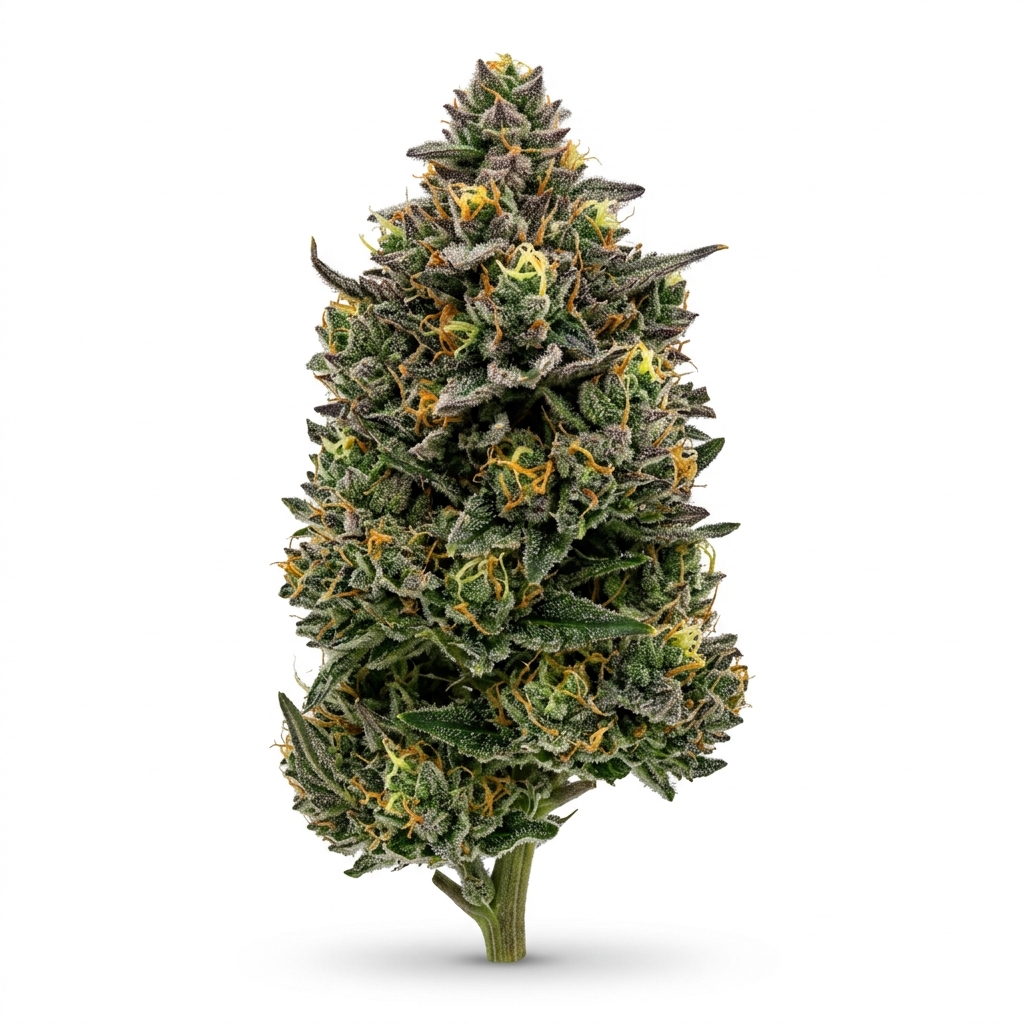
Pop Rocks is a celebrated hybrid cannabis cultivar renowned for its sweet, confectionery-forward aroma and versatile performance. The strain name is associated with three distinct genetic pathways: an indica-dominant cross of Blue Zkittlez and Gelato, the West Coast “LA Pop Rocks” (Triangle Kush BX2 × Z Animal) bred by Seed Junky Genetics, and a sativa-dominant cross of C99 and Blue Lemon Thai from Wiseguy Genetics. Across these variations, mature flowers showcase a rich terpene profile dominated by limonene, myrcene, and caryophyllene, delivering a complex blend of sweet berries, tropical candy, and spicy fuel notes. Under optimal cultivation, plants complete their flowering cycle in 7 to 9 weeks, producing dense, trichome-heavy buds with a reported THC potential ranging from 18% to 28%.
Pop Rocks Cannabis Seeds
Price range: $65.00 through $240.00
Description
AI Editorial Cultivar Score8.2/10
Highly Desirable Dessert Cultivar
Editorial assessment for comparison only; not a laboratory result or product guarantee.
Aroma Complexity9.2/10
Offers an outstanding candy-gas spectrum featuring sweet berries, tart citrus, and sharp fuel notes.
Resin Potential8.5/10
Produces dense flowers heavily coated in trichomes, ideal for concentrate extraction.
Visual Appeal8.2/10
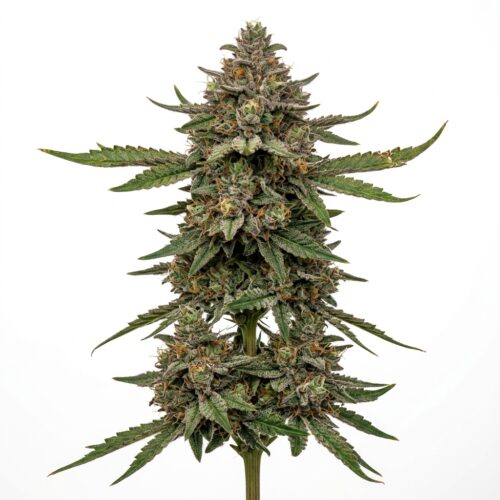
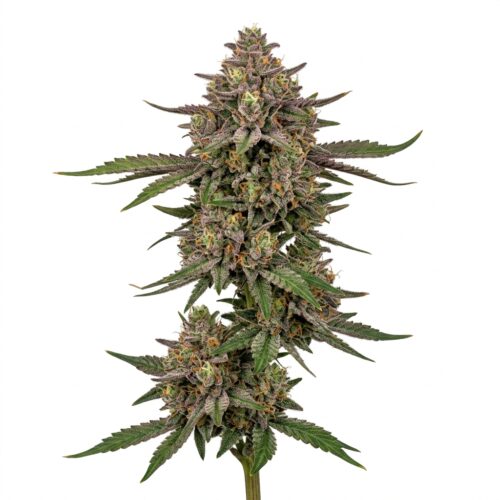
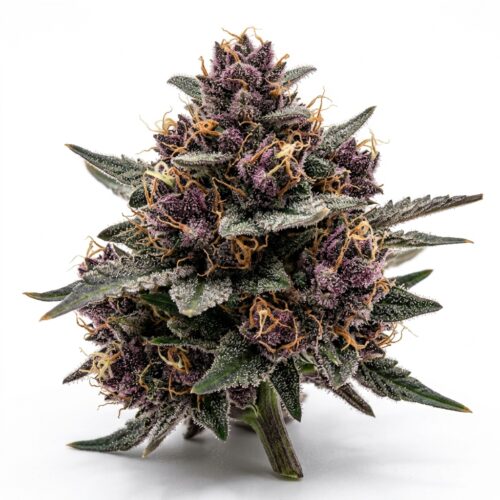
Known for deep green and occasionally purple-tinted buds highlighted by vibrant orange and yellow pistils.
Cultivation Accessibility7.5/10
Requires active canopy management and humidity control to prevent mold in dense buds, suited for moderate growers.
Documentation Confidence7.6/10
The cultivar name represents multiple distinct genetic lines, which can lead to retail confusion without verified lab tests.
Reported flower potentialCannabinoid Overview
Reported cannabinoid values can vary by phenotype, environment, harvest timing, and testing method.
Genetic relationshipLineage Diagram
Blue Zkittlez
Gelato
Triangle Kush BX2
Z Animal
Pop Rocks Cannabis Seeds
Reported aromatic compoundsTerpene Profile
Limonene
Bright Citrus and Lemon-Candy
Limonene provides a sharp, uplifting sweet citrus aroma and is associated with cerebral clarity.
Myrcene
Earthy, Musky, and Herbal
Myrcene is a prominent terpene contributing sweet, herbal notes and is known for its deeply relaxing qualities.
Caryophyllene
Spicy, Peppery, and Woody
Adds a rich, peppery layer of depth to the candy-like sweetness while offering soothing physical properties.
Cultivation referenceGrow Information
Essential cultivar details
Quick Facts
Key genetics, cultivation, and reported characteristics at a glance.
GeneticsBlue Zkittlez × Gelato (also Triangle Kush BX2 × Z Animal or C99 × Blue Lemon Thai)
Breeder / OriginMultiple Breeders (including Seed Junky Genetics and Wiseguy Genetics)
Cultivar Typeindica-dominant hybrid
Seed TypeAvailable as Feminized, Autoflower & Regular
PhotoperiodPhotoperiod
Reported THC Potential18% – 28%
Reported CBD PotentialLow (under 1%)
Flowering Time7-9 weeks (up to 9-10 weeks for some phenotypes)
Plant HeightMedium
StretchModerate
DifficultyModerate
Yield CharacteristicsModerate to heavy (reports of 400-500g/m² indoors and over 500g/plant outdoors)
Indoor SuitabilityYes
Outdoor SuitabilityYes
Greenhouse SuitabilityYes
Climate PreferenceWarm, stable temperatures (70-80°F) with moderate, controlled humidity
Dominant TerpenesLimonene, Myrcene, Caryophyllene
Research ConfidenceHigh
Scientific Overview
The Pop Rocks cultivar is a modern hybrid that represents an intersection of several distinct breeding methodologies. In chemical analyses, the mature flower’s cannabinoid potential generally centers around a high-potency range of 18% to 28% THC depending on the phenotype. The strain’s complex terpene profile is dominated by limonene, myrcene, and caryophyllene (with linalool and pinene appearing in select West Coast phenotypes). Together, these terpenes modulate a balanced physical and mental experience, beginning with an uplifting, limonene-driven cerebral rush before settling into a deep, physically soothing state. The presence of diverse genotypes marketed under the ‘Pop Rocks’ name highlights the active, sometimes fragmented nature of contemporary dessert cannabis breeding.
Genetics & Lineage
Due to the popularity of candy-themed names, several genetic lines circulate under the Pop Rocks title. The most widely recognized indica-dominant hybrid variant is a cross of Blue Zkittlez and Gelato, prized for its intense confectionery-like flavors. A secondary highly sought-after variant is Seed Junky Genetics’ ‘LA Pop Rocks’ (or LA Pop Rockz), which crosses the classic Florida heirloom Triangle Kush BX2 with the sweet, gassy Z Animal. Finally, Wiseguy Genetics developed a sativa-dominant ‘Pop Rocks’ using a cross of Cinderella 99 (C99) and Blue Lemon Thai. It is essential for cultivators and consumers to verify which genetic lineage their specific seed batch originates from, as growth habits and effects differ significantly between them.
Breeder Background
As Pop Rocks is an open-market name, several breeders have contributed to its legacy. Seed Junky Genetics, based in Southern California, is highly celebrated for establishing the ‘LA Pop Rocks’ cut, using backcrossed OG and modern dessert genetics to create exceptionally potent, resin-heavy cultivars. Wiseguy Genetics is another established player, focusing on crossing classic European and Hawaiian genetics like C99 and Blue Lemon Thai. Other iterations are attributed to West Coast breeders who capitalize on the sweet-fruity Zkittlez and Gelato terpene trends.
Botanical Characteristics
The physical structure of Pop Rocks is highly dependent on the chosen lineage. Sativa-leaning phenotypes (such as the C99 and Blue Lemon Thai cross) exhibit a taller, more open branching structure with high resistance to environmental stressors like mold. Conversely, the more common indica-dominant phenotypes (Blue Zkittlez x Gelato or Triangle Kush BX2 x Z Animal) tend to display a compact, medium-height hybrid structure. These plants feature broad fan leaves and dense, tight node spacing that requires attentive foliage management to maximize light penetration.
Flower Structure
Pop Rocks produces flowers that are highly dense, compact, and heavy, making humidity control crucial during the final weeks of bloom. The buds typically display a teardrop or slightly pointy morphology, covered in a thick, frosty layer of silver trichomes. Under cooler night temperatures, some phenotypes express a deep purple and violet coloration across the bracts, contrasting beautifully with the bright green calyxes and vibrant yellow-to-orange pistils.
Aroma & Flavor Profile
True to its name, Pop Rocks is praised for its explosive aroma and flavor profile. On the nose, it releases a sweet, tangy blast of artificial fruit candy, citrus, and mixed berries. Underneath the initial sweetness, a complex background of peppery spice, herbal musk, and sharp gassy fuel emerges. When consumed, the flavor lingers on the palate, offering a creamy, dessert-like finish with subtle notes of grape and pine.
Cultivation Overview
Cultivating Pop Rocks is generally rated as moderate in difficulty. Because the plants produce exceptionally dense, resin-laden flowers, maintaining precise humidity and temperature control is essential to prevent bud rot or powdery mildew. They respond exceptionally well to topping and low-stress training (LST) or Screen of Green (ScrOG) methods to manage canopy height and ensure even distribution of light to lower bud sites. Performers should expect variation in yield and growth structure depending on the specific parentage of their seeds.
Indoor Considerations
For indoor setups, cultivators should maintain temperatures between 70°F and 80°F. Relative humidity should be adjusted dynamically: 50-60% during the vegetative stage, and gradually lowered to 40-50% (or even lower) during the final weeks of flowering to protect the dense buds. Flowering typically finishes within 7 to 9 weeks, with yields averaging 400 to 500 grams per square meter depending on light intensity and canopy management.
Outdoor Considerations
Outdoors, Pop Rocks prefers a warm, semi-arid climate with plenty of direct sunlight. Because of the density of the mature buds, areas with heavy late-season rains or high humidity may put the harvest at risk for mold. Sativa-leaning varieties are highly mold-resistant, whereas indica-dominant phenotypes should be closely monitored. Outdoor plants are typically ready for harvest between late September and mid-October, yielding up to 500-600 grams per plant.
Phenotype Variation
Because Pop Rocks is bred and selected across multiple separate genetic pools, phenotype variation is substantial. Cultivators may encounter taller, stretchier plants that exhibit clear sativa morphology and a tropical citrus scent, or stockier, bushy plants that express deep purple colors, heavy resin, and a pungent, gassy candy aroma. Sourcing seeds from reputable distributors who can clarify the specific parent lineage is highly recommended to manage expectations.
Frequently Asked Questions
Is Pop Rocks an indica or a sativa?
Pop Rocks is most commonly found as an indica-dominant hybrid, particularly the Blue Zkittlez x Gelato and Triangle Kush BX2 x Z Animal (LA Pop Rocks) crosses. However, Wiseguy Genetics offers a sativa-dominant variant crossing C99 and Blue Lemon Thai.
What is the average flowering time for Pop Rocks?
The average flowering period for Pop Rocks is between 7 and 9 weeks (approx. 50 to 65 days) when grown indoors under a 12/12 photoperiod cycle.
What does Pop Rocks smell like?
Pop Rocks has a distinctive sweet candy aroma reminiscent of fruity confections, combined with underlying notes of sharp citrus, mixed berries, spicy herbal musk, and a gas-fuel finish.
Is Pop Rocks easy to grow?
It is rated as moderate in difficulty. Because of its extremely dense, resin-coated bud structure, growers must strictly control humidity and utilize pruning techniques to prevent mold.
What is the reported THC potential of Pop Rocks?
The mature flowers of Pop Rocks have been reported to express a THC potential ranging from 18% to 28%, depending heavily on the specific lineage and cultivation environment.
Disclaimer
In accordance with local regulations, cannabis seeds are sold strictly as collectible adult souvenirs for genetic preservation. Germination of cannabis seeds is illegal in many jurisdictions. Cultivators must consult local laws before initiating a grow. Cannabinoid and terpene profiles refer to potential levels expressed by mature flowers under professional conditions; actual results will vary depending on climate, nutrition, and cultivation expertise.
Additional information
| Packs | 5 Seeds, 10 Seeds, 25 Seeds |
|---|



Reviews
There are no reviews yet.