
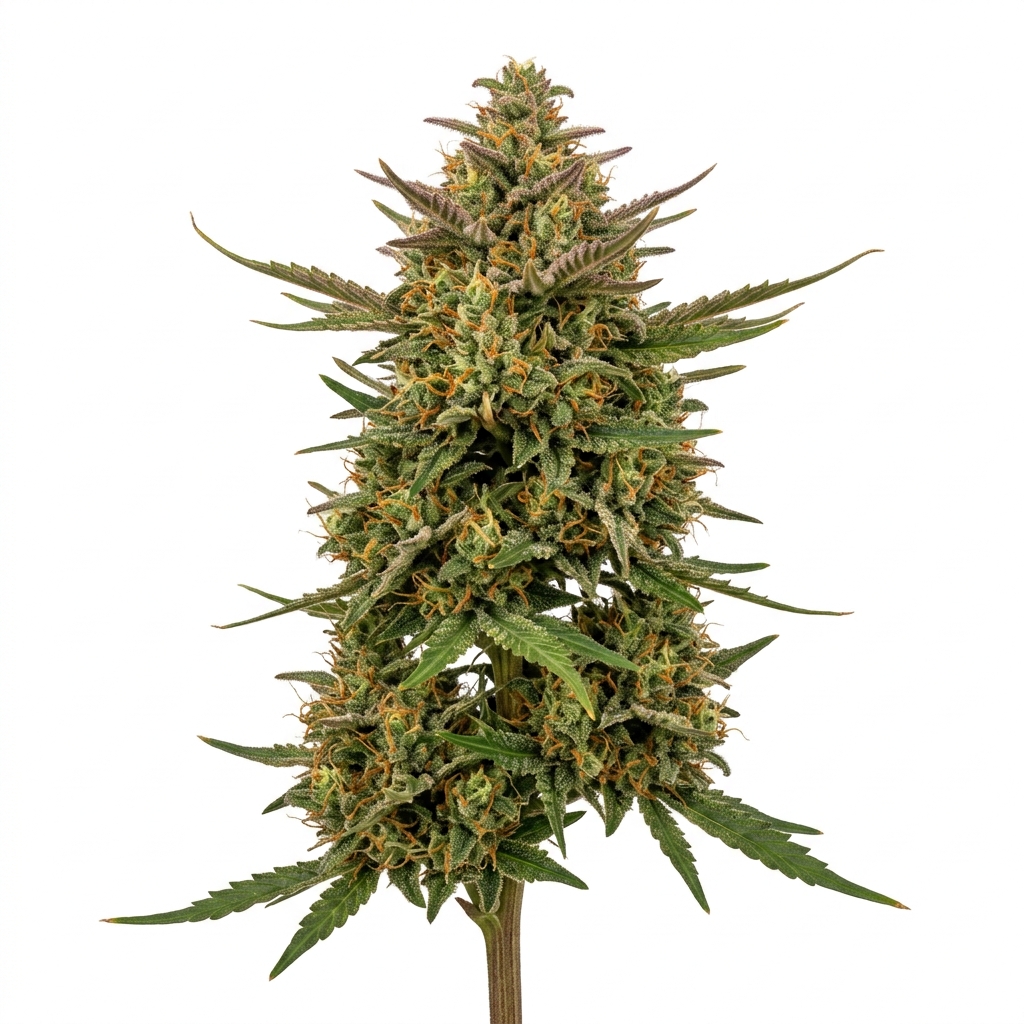
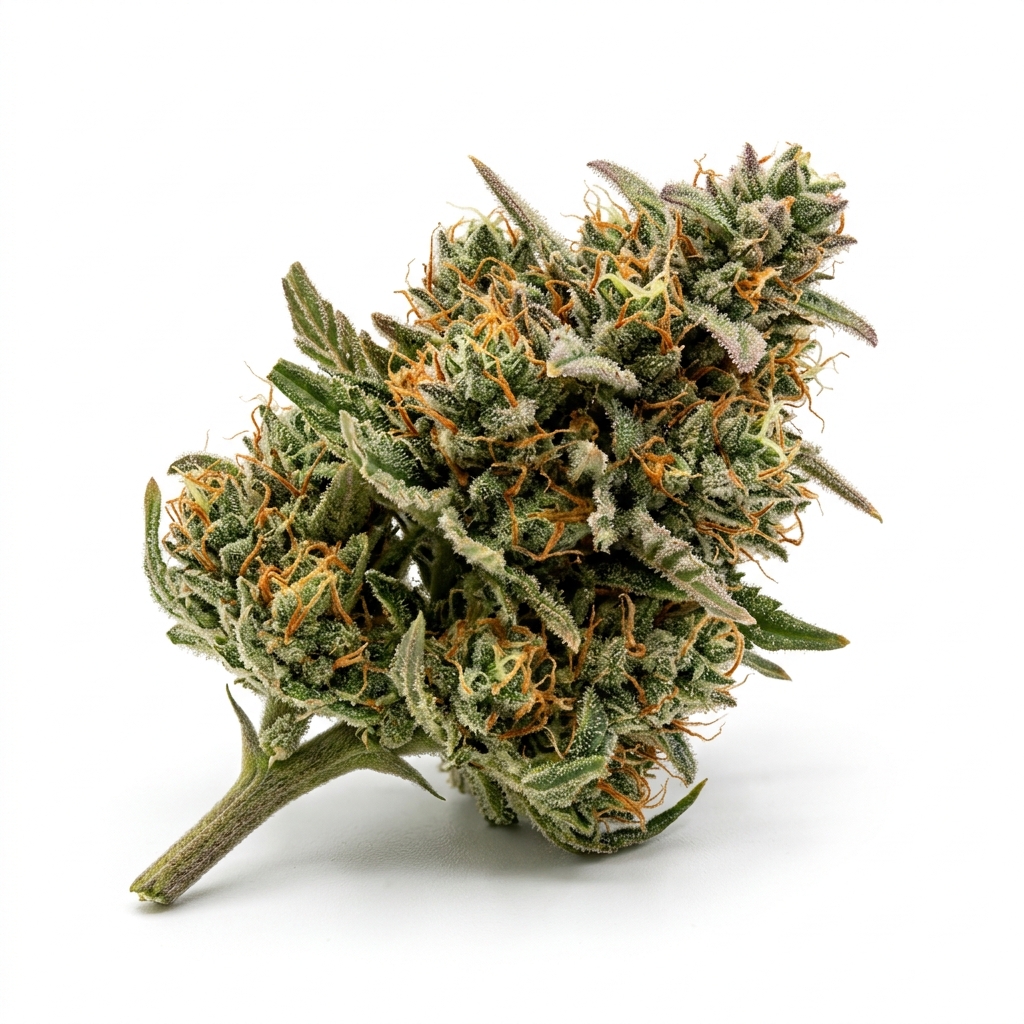
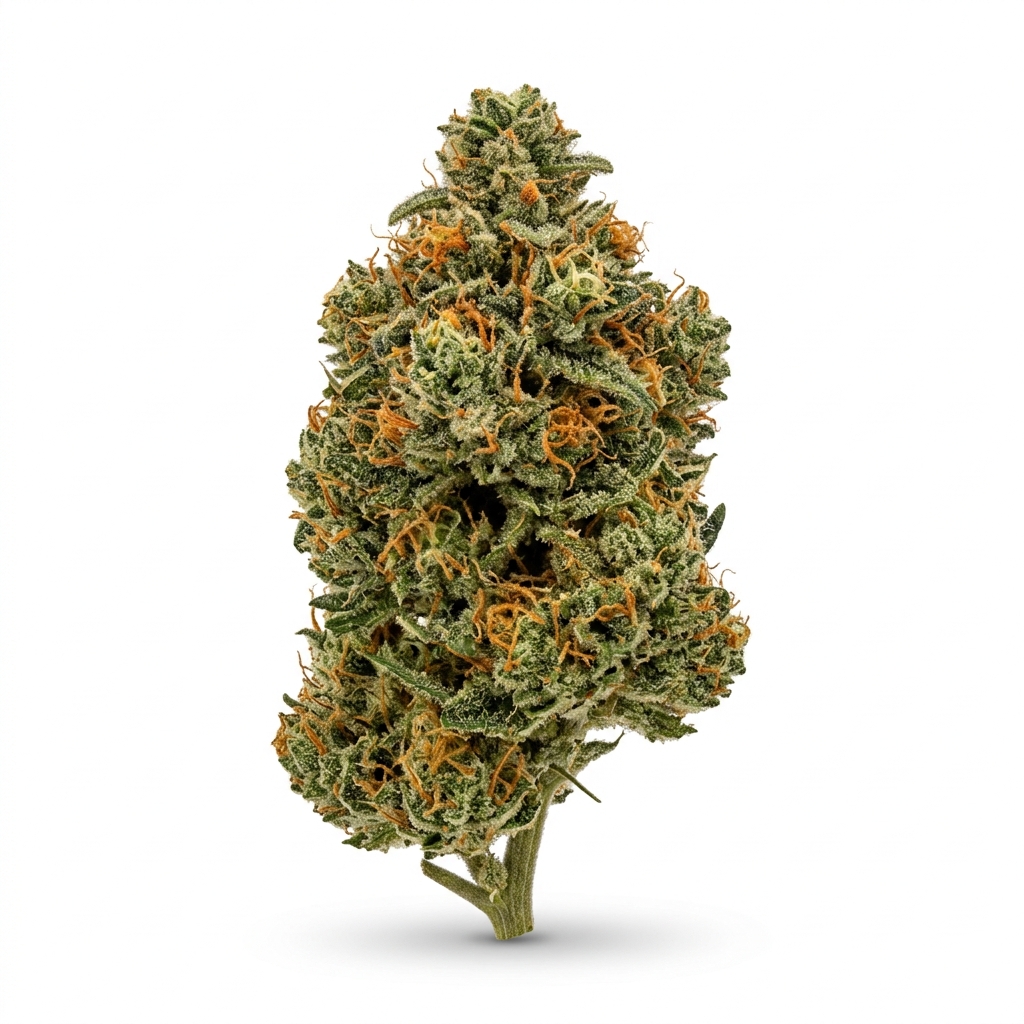
ACDC is an internationally recognized balanced hybrid cultivar famous for its high-CBD and exceptionally low-THC cannabinoid profile. Originating as a specialized phenotype of Cannatonic, it was originally selected in Northern California by Dr. William Courtney, who coined the acronym “Alternative Cannabinoid Dietary Cannabis.” Mature flowers of this cultivar typically present a therapeutic CBD-to-THC ratio of approximately 20:1, with CBD content ranging from 15% to 24% and THC remaining below 1%. Cultivators will find that ACDC grows as a bushy, medium-sized plant, finishing its indoor flowering cycle in 9 to 10 weeks. This variety offers a complex, herbal terpene profile rich in myrcene, pinene, and caryophyllene, expressing deep forest-green buds accented by orange pistils.
ACDC Cannabis Seeds
Price range: $65.00 through $240.00
Description
AI Editorial Cultivar Score8.6/10
Highly Recommended High-CBD Cultivar
Editorial assessment for comparison only; not a laboratory result or product guarantee.
Aroma Complexity8.0/10
Offers an appealing blend of earthy pine, herbal notes, and subtle citrus, though lacks the loud sweetness of modern high-THC dessert strains.
Resin Potential7.5/10
Produces dense, sticky trichome coverage, though it is bred primarily for cannabinoid content rather than extreme concentrate-yielding resin.
Visual Appeal8.0/10
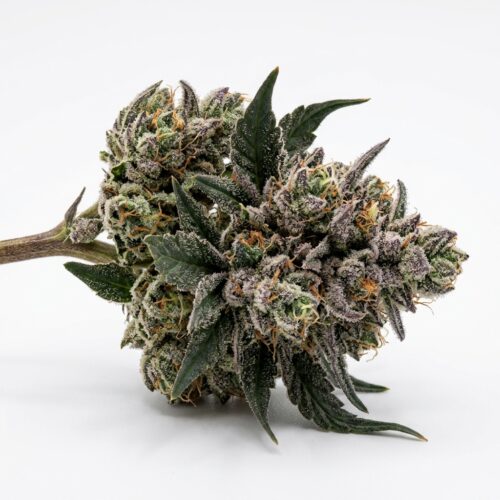
Features tightly-structured, forest-green buds decorated with fiery orange pistils and occasional purple expressions under cooler temperatures.
Cultivation Accessibility7.8/10
The growth difficulty is moderate; it requires attention to climate, particularly temperature and humidity control, to optimize CBD output.
Documentation Confidence9.5/10
As one of the most famous CBD cultivars globally, its history, phenotype selection, and genetic profile are exceptionally well-documented.
Reported flower potentialCannabinoid Overview
Reported cannabinoid values can vary by phenotype, environment, harvest timing, and testing method.
Genetic relationshipLineage Diagram
Cannatonic
ACDC Cannabis Seeds
Reported aromatic compoundsTerpene Profile
Myrcene
Earthy, herbal, musky, and clove-like
The most dominant terpene in ACDC, contributing to its deep grounding aroma and reinforcing the soothing properties of high CBD levels.
Pinene
Fresh pine, wood, and forest-like
Provides a bright, refreshing top note reminiscent of a dense forest, which is reported to support clear-headed focus.
Beta-Caryophyllene
Spicy, black pepper, and woody
Adds a subtle spice to the flavor profile, interacting directly with cannabinoid receptors to assist with physical comfort.
Limonene
Citrus, lemon, and sweet orange
Brings a subtle citrus brightness to the aroma, elevating the flavor profile with clean lemongrass undertones.
Cultivation referenceGrow Information
Essential cultivar details
Quick Facts
Key genetics, cultivation, and reported characteristics at a glance.
GeneticsPhenotype of Cannatonic (Reina Madre x NYC Diesel)
Breeder / OriginDr. William Courtney (selection from Resin Seeds genetics)
Cultivar Typebalanced hybrid
Seed TypeAvailable as Feminized, Autoflower & Regular
PhotoperiodPhotoperiod (Note: Some commercial seed lots sell autoflowering versions containing ruderalis genetics, but the original clone-only cultivar is photoperiod)
Reported THC PotentialUnder 1% (commonly reported range of 0.5% to 2%)
Reported CBD Potential15% – 24%
Flowering Time9-10 weeks
Plant HeightMedium (approximately 120-150 cm / 4 feet)
StretchModerate
Difficultymoderate
Yield CharacteristicsModerate (commonly reported around 400 g/m² indoors and up to 450 g/plant outdoors)
Indoor SuitabilityHighly suitable
Outdoor SuitabilitySuitable (harvests mid-October to early November)
Greenhouse SuitabilityHighly suitable
Climate PreferenceMild to warm, prefers dry climates with carefully controlled humidity levels to prevent mold
Dominant Terpenesmyrcene, pinene, beta-caryophyllene, limonene
Research ConfidenceHigh
Scientific Overview
ACDC is a chemically distinct cultivar (chemovar) categorized as a Type III cannabis variety, meaning it is high in cannabidiol (CBD) and extremely low in tetrahydrocannabinol (THC). This profile is characterized by a stable CBD-to-THC ratio of roughly 20:1. In mature flowers, the CBD content routinely ranges from 15% to 24%, while THC levels remain consistently below 1%, rarely exceeding 2%. The cultivar is highly valued in scientific and medical circles because it delivers the therapeutic benefits of cannabinoids, such as pain and anxiety management, without inducing psychoactive intoxication. It features a rich terpene profile dominated by myrcene, which synergizes with the cannabinoids through the entourage effect.
Genetics & Lineage
ACDC’s lineage is rooted in the Spanish cannabis scene. It emerged as a unique phenotype of Cannatonic, a famous high-CBD hybrid bred by Spain’s Resin Seeds (cross of Reina Madre and NYC Diesel). In 2011, Dr. William Courtney, a physician from Northern California, acquired a packet of Cannatonic seeds from Barcelona. Upon growing them out, he identified a specific phenotype with a remarkably high and stable concentration of CBD relative to THC. He selected this cut and named it ACDC, which stands for ‘Alternative Cannabinoid Dietary Cannabis’. Because ACDC was originally selected as a specific cutting (clone-only), true seeds of ‘ACDC’ do not exist in standard form unless they are selfed (S1) or backcrossed to stabilize the phenotype, though several breeders have developed hybrid or autoflowering varieties using ACDC’s genetic stock.
Breeder Background
The original selection of the ACDC phenotype was performed by Dr. William Courtney in Northern California. Dr. Courtney is a medical practitioner who focused heavily on the raw dietary consumption of cannabis (juicing leaves and buds) to treat severe chronic conditions such as lupus. His selection focused purely on maximizing CBD and raw CBDa/THCa values for therapeutic juicing, rather than recreational smoking. The underlying breeding work that produced the parent strain, Cannatonic, was conducted by Resin Seeds in Barcelona, Spain, who are widely regarded as pioneers of the modern CBD movement.
Botanical Characteristics
The ACDC plant exhibits a bushy and robust growth pattern that is balanced between its indica and sativa genetics. Outdoors, it typically grows to a moderate height of around 4 feet (approximately 120-150 cm), characterized by solid lateral branching and large, broad fan leaves. It exhibits high vigor and is relatively resilient, but it is known to be sensitive to severe environmental fluctuations. As the plant matures, the leaves can sometimes express beautiful purple hues, particularly when grown in conditions with cooler night temperatures.
Flower Structure
The flowers of ACDC are small to medium in size but form dense, tight clusters. While they possess a certain level of indica-like compactness, they retain a slight fluffiness characteristic of their sativa heritage. The buds are heavily coated in sticky, resinous trichomes that house the high concentrations of CBD. Visually, the forest-green and olive-green buds are decorated with bright, fiery orange pistils (hairs) that contrast vividly against the frosty, resin-draped flower bracts.
Aroma & Flavor Profile
ACDC has a complex and highly recognizable sensory profile. Upon opening a jar, the dominant scent is a deep, grounding aroma of earthy pine and wood, reminiscent of a fresh forest. This base is enriched by a herbal spiciness and sweet, fruity undertones, with some phenotypes showing hints of cherry, lemongrass, or a faint diesel note. When consumed, the flavor profile is smooth and herbal, carrying strong notes of damp earth, robust cedarwood, and a refreshing citrusy or lemongrass zing on the exhale.
Cultivation Overview
Cultivating ACDC is considered of moderate difficulty, making it accessible to growers with some basic experience. Performance will vary depending on environmental conditions, substrate choice, and exact cultivation techniques. Because ACDC was originally a clone, plants grown from commercial seeds may exhibit phenotypic variation unless sourced from a highly stable, backcrossed seed line. The primary goal when cultivating this variety is maximizing cannabinoid and terpene quality rather than pure raw biomass. Proper nutrient schedules and structural training are recommended to support its bushy, bud-heavy branches.
Indoor Considerations
Indoors, ACDC thrives in controlled climates where temperature and humidity can be tightly regulated. Growers should aim to maintain daytime temperatures between 68°F and 80°F (20°C to 27°C). Humidity levels should be kept under 60% during vegetative growth and ideally lowered to 40%–50% during the flowering phase to prevent mold and mildew in the dense buds. The flowering time indoors is approximately 9 to 10 weeks (63 to 70 days), and the plants adapt well to techniques like the Screen of Green (ScrOG) to maximize light penetration and support the lateral branches.
Outdoor Considerations
When cultivated outdoors, ACDC prefers a mild to warm, dry climate. It is sensitive to excessive moisture and wet autumns, so keeping the plants in a well-ventilated, sunny location is vital. Outdoor harvest typically occurs from mid-October to early November in the Northern Hemisphere. Under optimal conditions, a single outdoor plant can yield up to 450 grams. However, growers in regions prone to early autumn rains should monitor the plants closely or use a greenhouse to protect the developing flowers from bud rot.
Phenotype Variation
Because ACDC is historically a clone-only phenotype of Cannatonic, any commercial seeds sold under the name ‘ACDC’ will show some degree of variation. Some seed banks cross ACDC with a ruderalis to create autoflowering versions, which will flower automatically based on age. Others offer feminized photoperiod seeds (such as S1s), which can occasionally revert to showing traits of the original Cannatonic grandparents, potentially leading to phenotypes with higher THC levels (such as a balanced 1:1 ratio) or varying terpene profiles. Cultivators should always test a small sample of their crop if absolute low-THC levels are required for compliance or therapeutic needs.
Frequently Asked Questions
Is ACDC a sativa or indica?
ACDC is an evenly balanced hybrid composed of 50% indica and 50% sativa genetics, although some phenotypes can express slight sativa-leaning structural characteristics.
Does ACDC get you high?
No, ACDC does not produce a psychoactive high. With a CBD-to-THC ratio of roughly 20:1 and THC levels under 1%, it provides calming, clear-headed effects without intoxication.
What is the origin of the name ACDC?
The name ACDC stands for ‘Alternative Cannabinoid Dietary Cannabis’. It was selected by its original breeder, Dr. William Courtney, to highlight its therapeutic, non-intoxicating dietary benefits.
Can I grow ACDC from seeds?
Yes, although ACDC was originally a clone-only selection, several seed banks now offer stabilized seed versions (such as S1s, backcrosses, or autoflowers) that capture the high-CBD, low-THC traits.
What is the average flowering time for ACDC?
Indoors, ACDC has an average flowering period of 9 to 10 weeks (or 63 to 70 days). Outdoors, it is typically ready for harvest by mid-October.
Disclaimer
All cultivation information is for educational purposes. Cannabis seed cultivation is subject to varying regional laws. Performance and cannabinoid profiles will vary depending on growing conditions and specific seed phenotypes. Always verify your local regulations before germinating seeds.
Additional information
| Packs | 5 Seeds, 10 Seeds, 25 Seeds |
|---|




Reviews
There are no reviews yet.